
The WA Agricultural Research Collaboration (WAARC) was strongly represented across both days of the 2026 GRDC Grains Research Update Perth, with WAARC staff, researchers, projects and postgraduate scholars contributing to the program and engaging with growers, industry and students throughout the event.
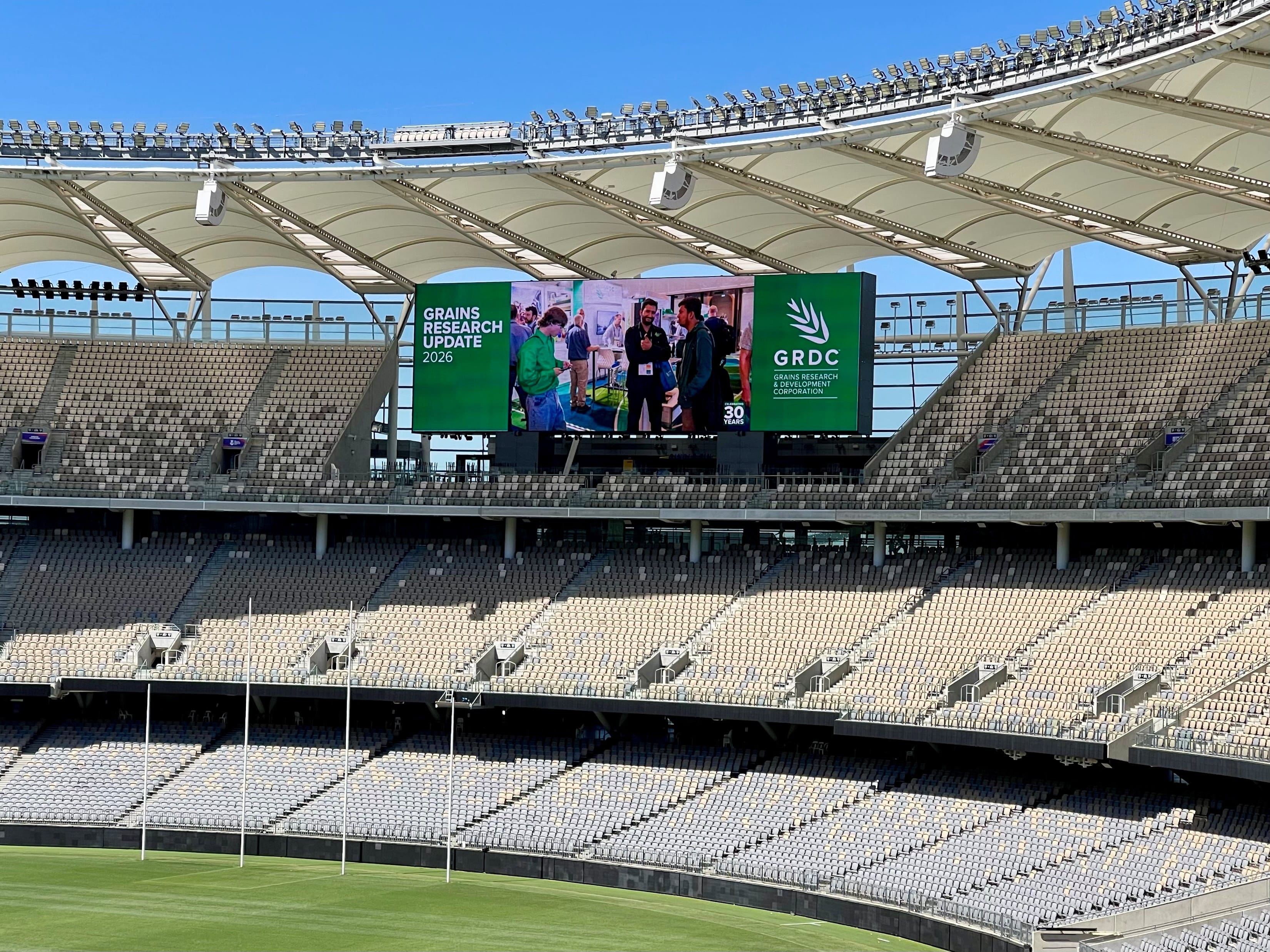
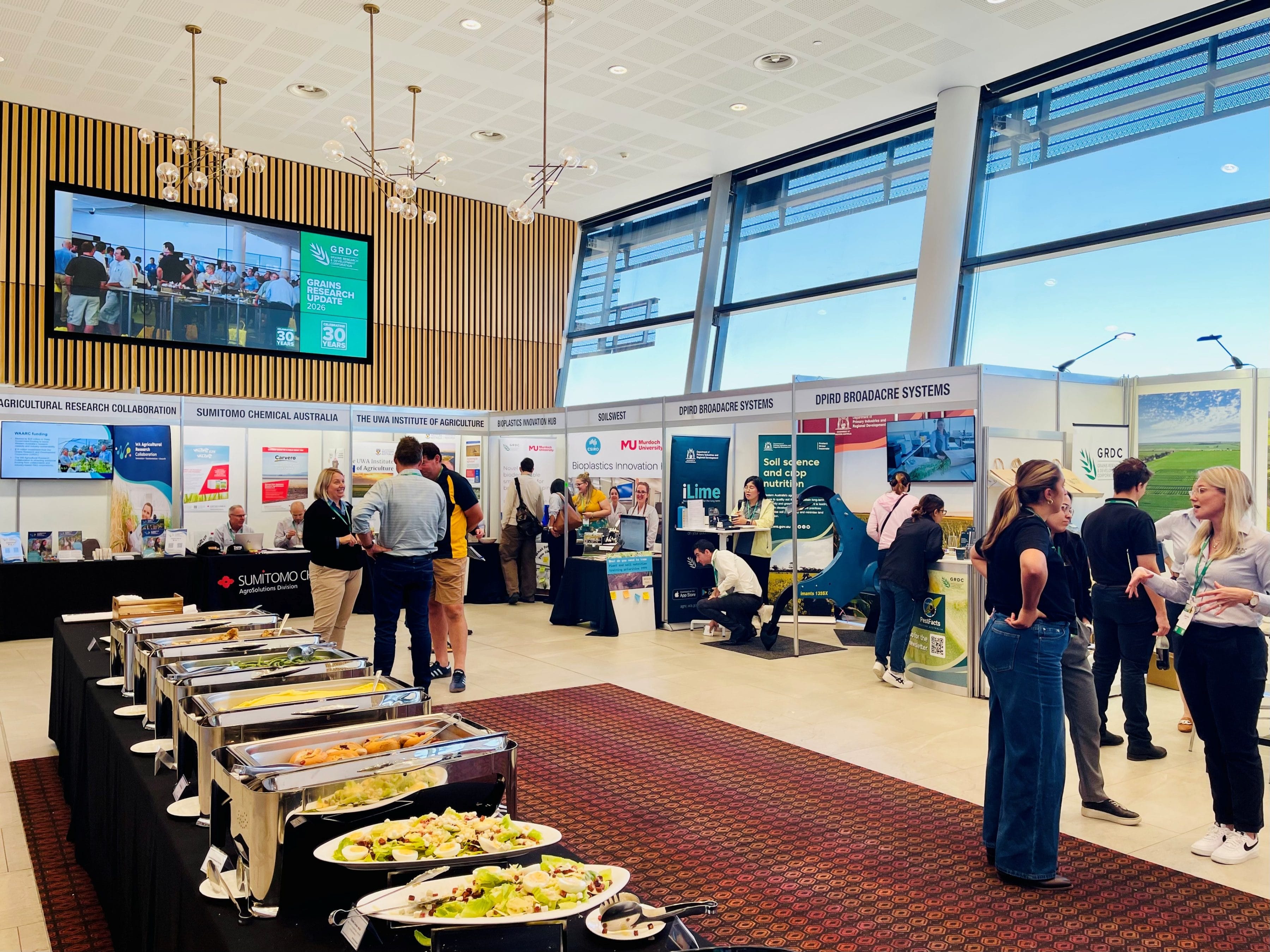
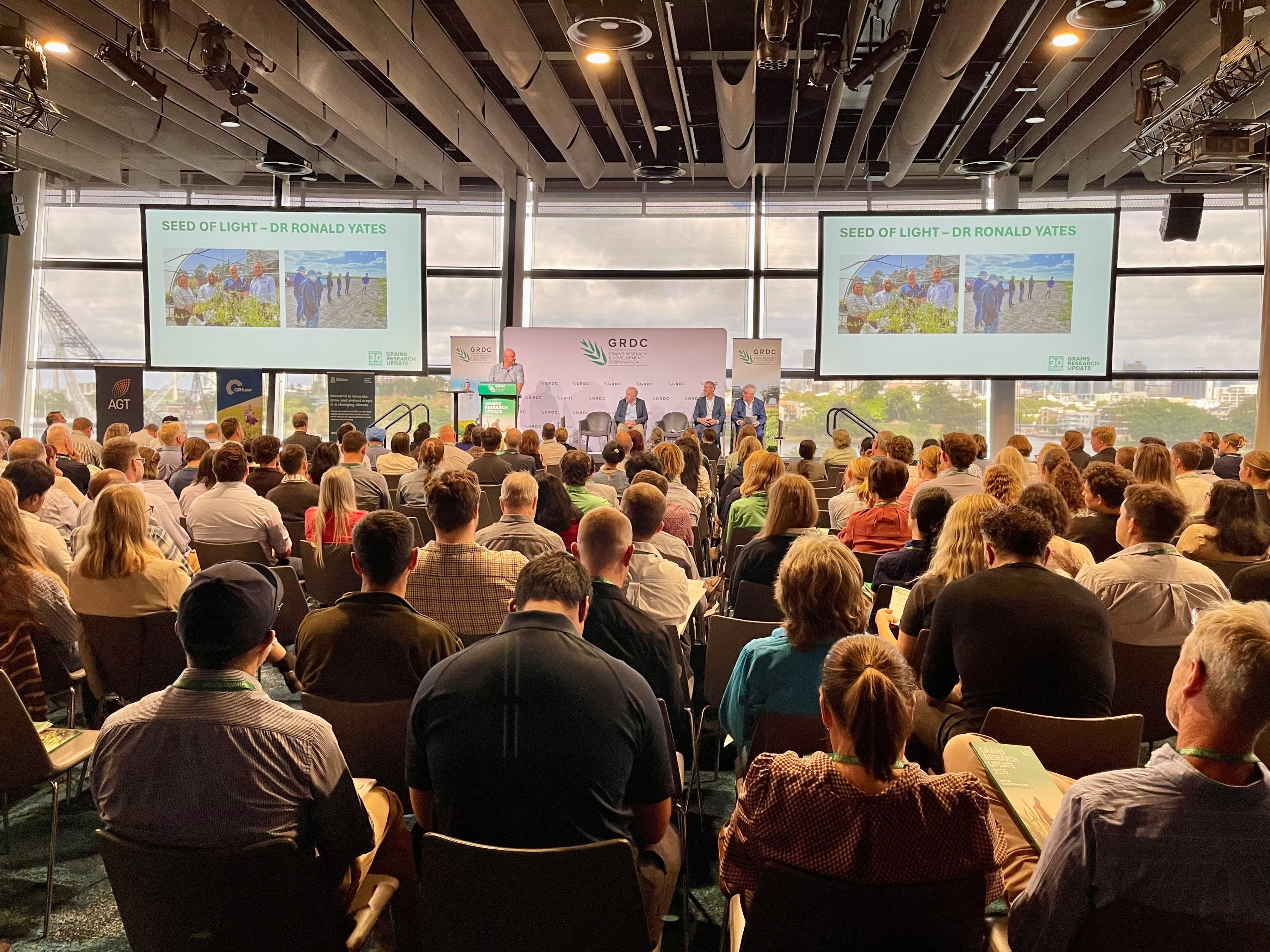
Held at Optus Stadium on 16-17 February, GRDC Updates remains one of the premier events on the Western Australian grains calendar, attracting more than 90 presenters and a record 900 attendees this year to hear the latest research shaping grain production systems.
From early-career researchers through to major collaborative projects, WAARC involvement was evident across presentations, networking events and industry discussions.
Supporting the next generation at the Student Breakfast
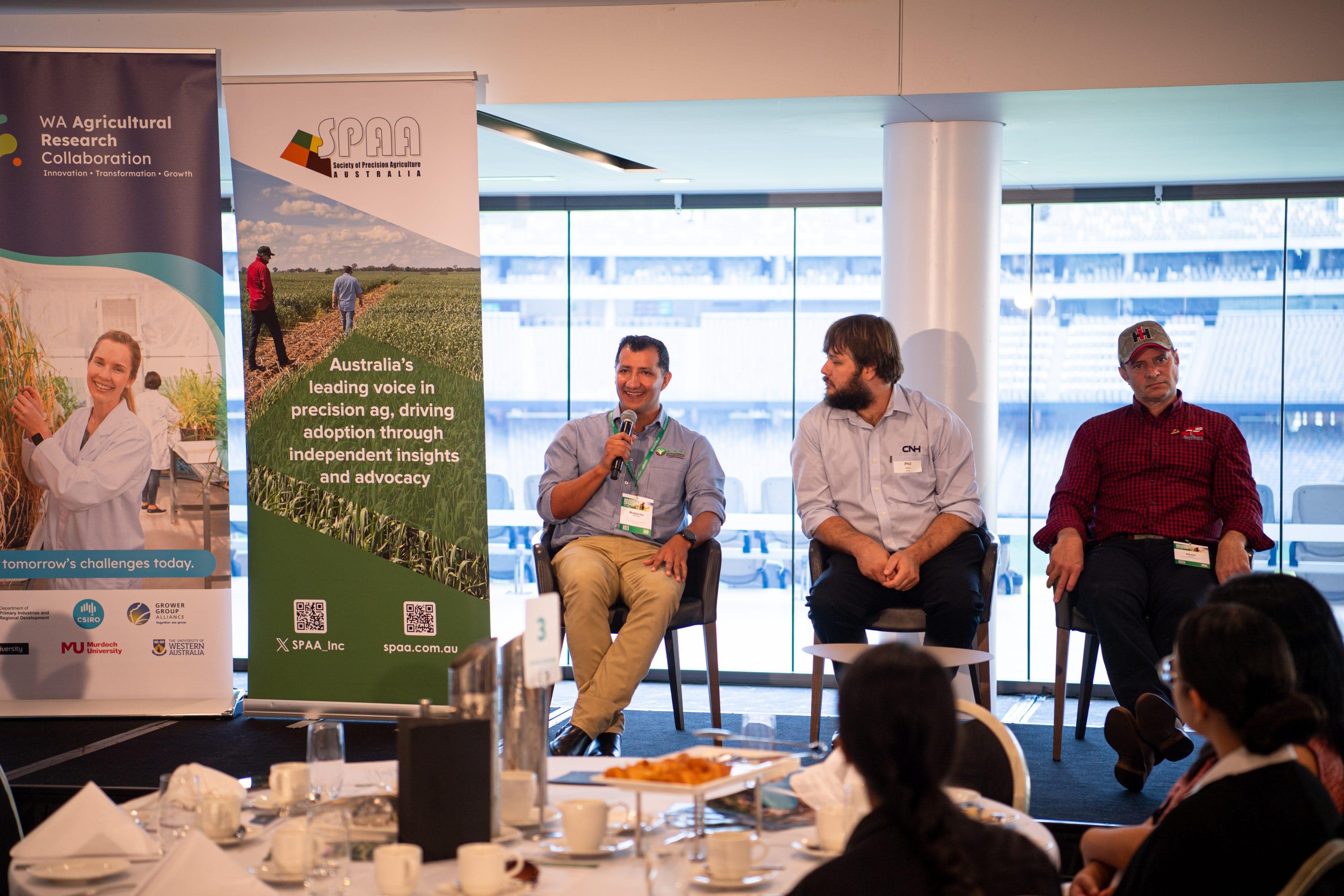
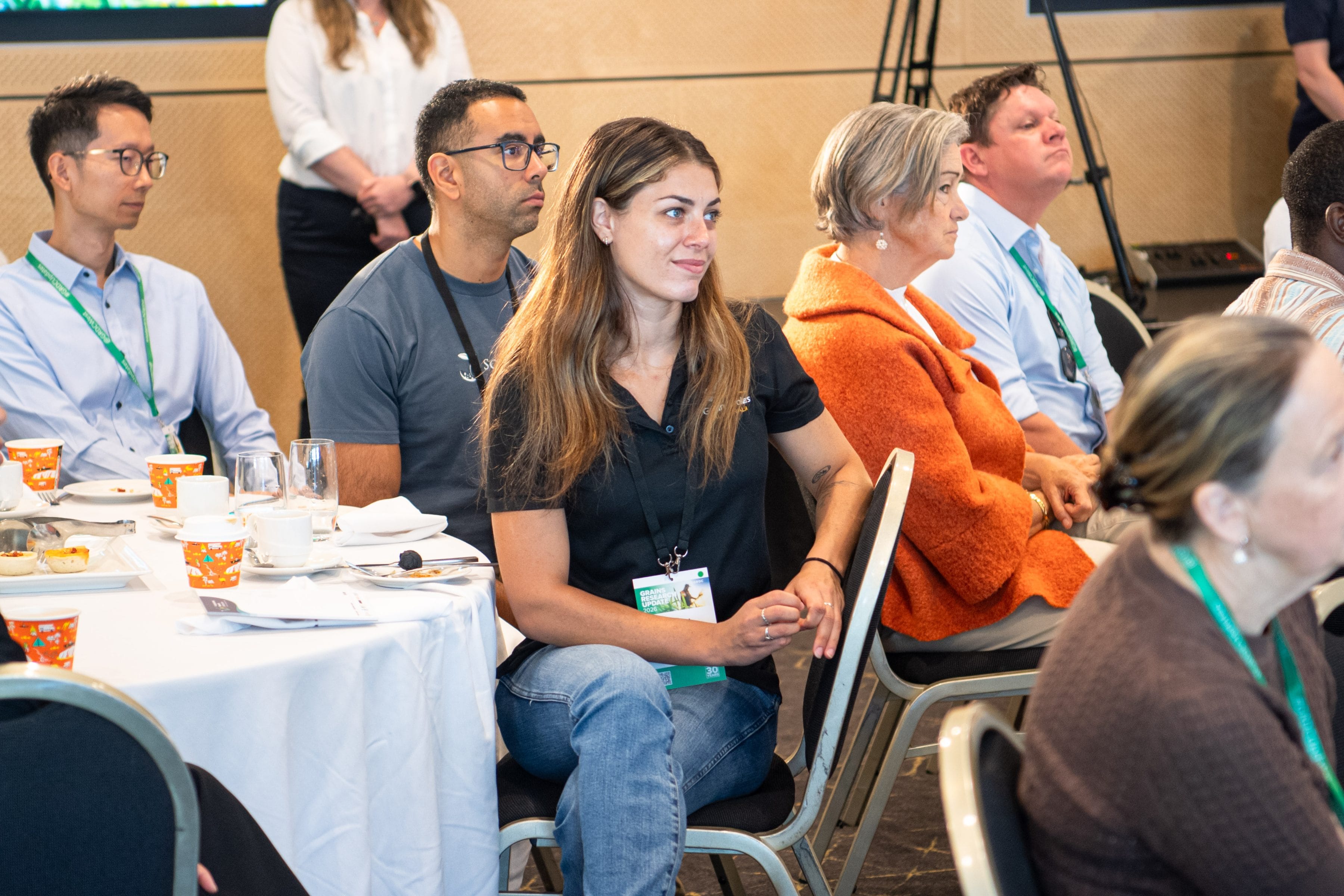
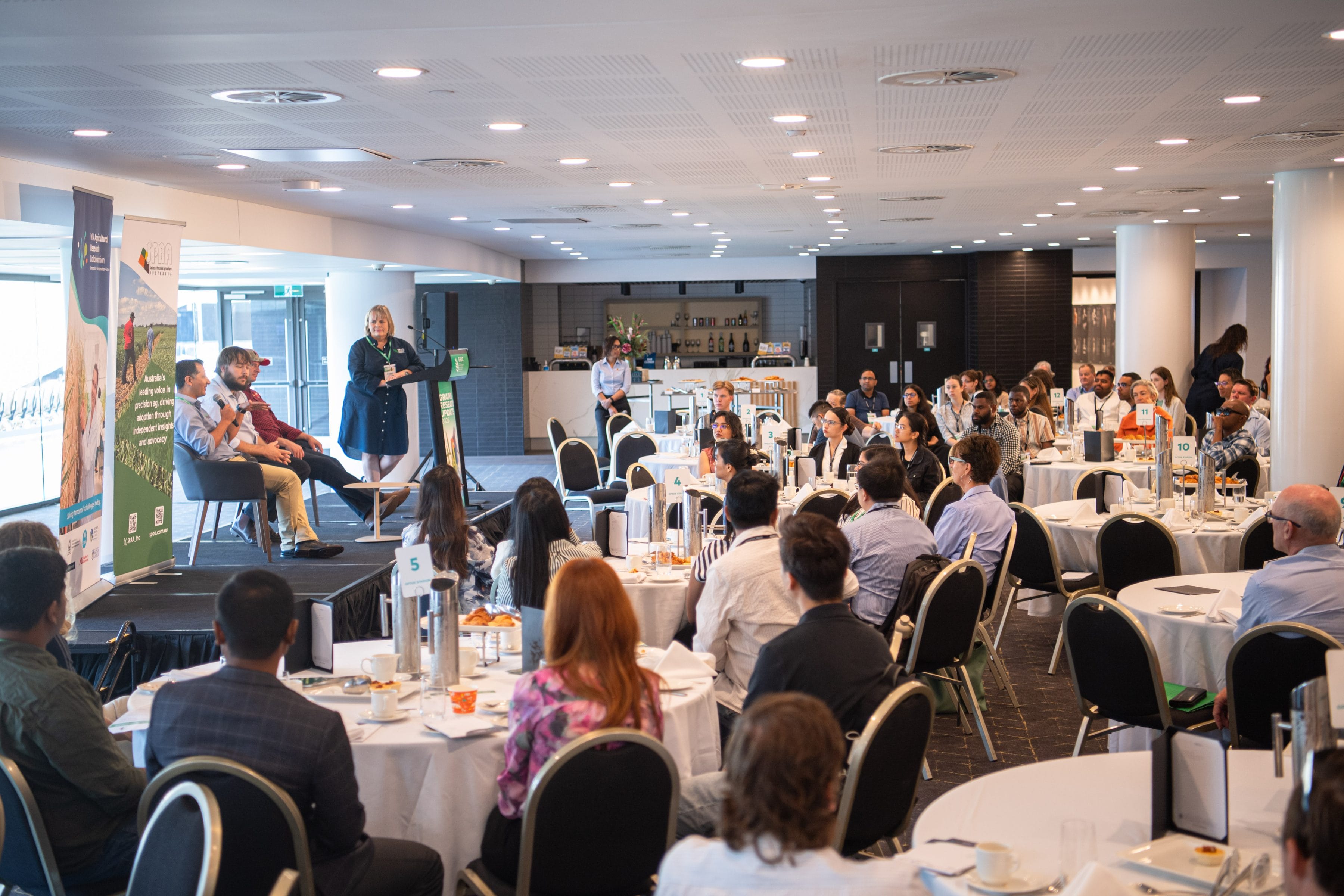
GRDC Updates began with a Student Breakfast, proudly co-hosted and supported by WAARC and the Society of Precision Agriculture Australia (SPAA), bringing students together with industry leaders ahead of the conference program.
The breakfast created opportunities for students to build connections and explore career pathways across research, extension and digital agriculture.
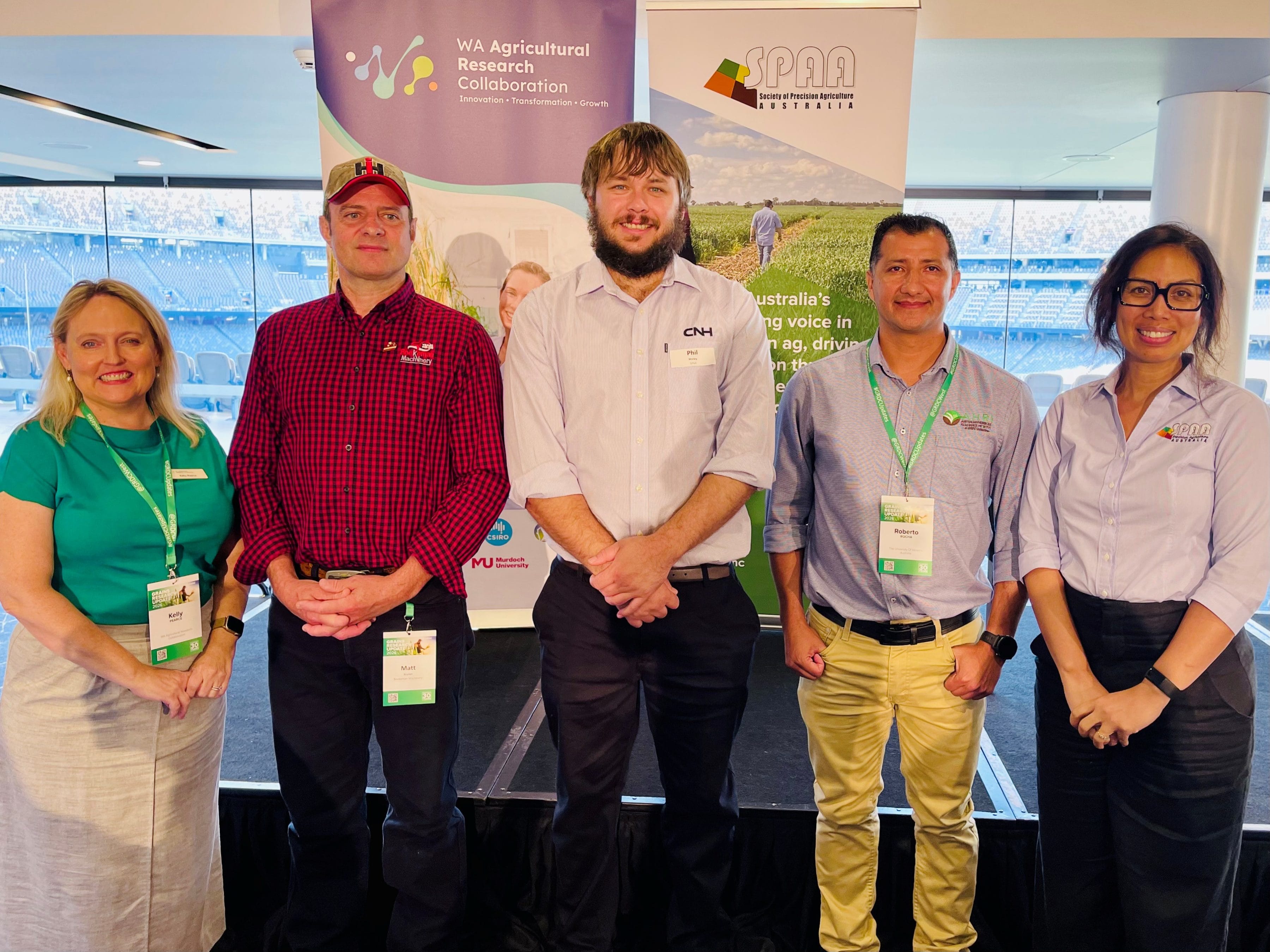
Attendees heard from Deputy Director General of the Department of Primary Industries and Regional Development (DPIRD), Cec McConnell, alongside WAARC Director Kelly Pearce and SPAA Executive Officer Angelique McAvoy. Informal industry insights were also shared by Roberto Lujan Rocha (WAARC PhD scholarship recipient from The University of Western Australia), Phil Honey (CNH and SPAA committee member) and Matthew Joyner (Boekeman Machinery), who discussed career journeys and the growing role of digital skills in modern agriculture.
The breakfast was further supported by DPIRD and the Mt Burdett Foundation, helping fund student attendance on Day 1 of Updates and strengthening pathways into the grains industry.
Research presentations showcase WAARC-supported work
Across the two-day program, WAARC-supported research featured prominently.
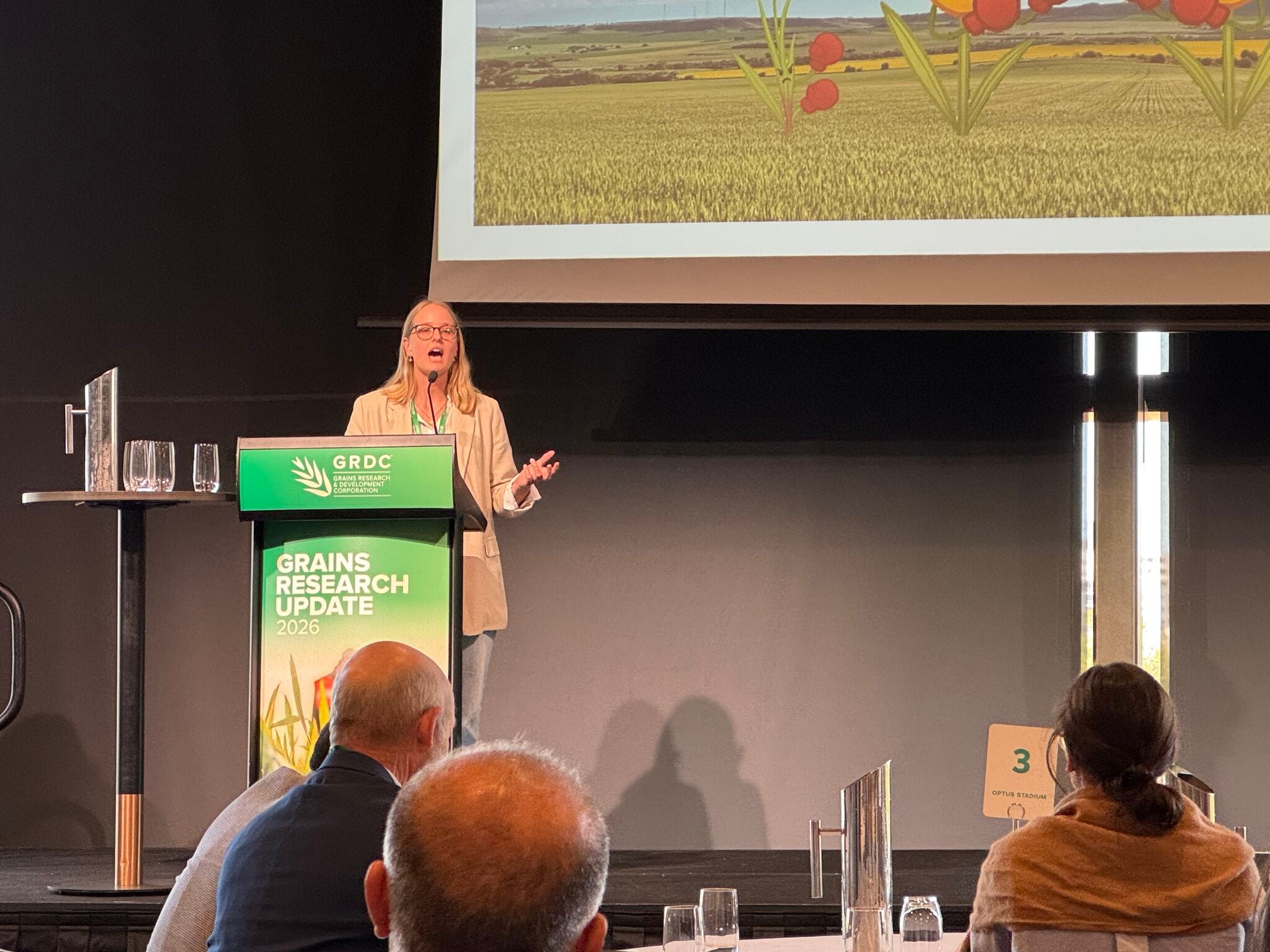
On Day 1, WAARC Postgraduate Research Scholarship Program participants Sundara Link (Curtin University) and Chloe Rout (The University of Western Australia) presented their PhD research. Sundara shared work investigating genetic resistance to Spot Form Net Blotch in barley, supporting the development of more disease-resilient varieties, while Chloe explored the benefits and adoption barriers associated with intercropping canola with legumes in WA farming systems.
The SMART SPRAYS project, led by Professor Daniel Murphy at Murdoch University, was also heavily featured through a dedicated session examining emerging spray-based technologies aimed at improving crop resilience and input efficiency. Presentations covered biodegradable films for broadacre cropping, the influence of mulching practices on soil processes, advanced water-barrier spray applications, and adhesive spray technologies being explored for frost protection.
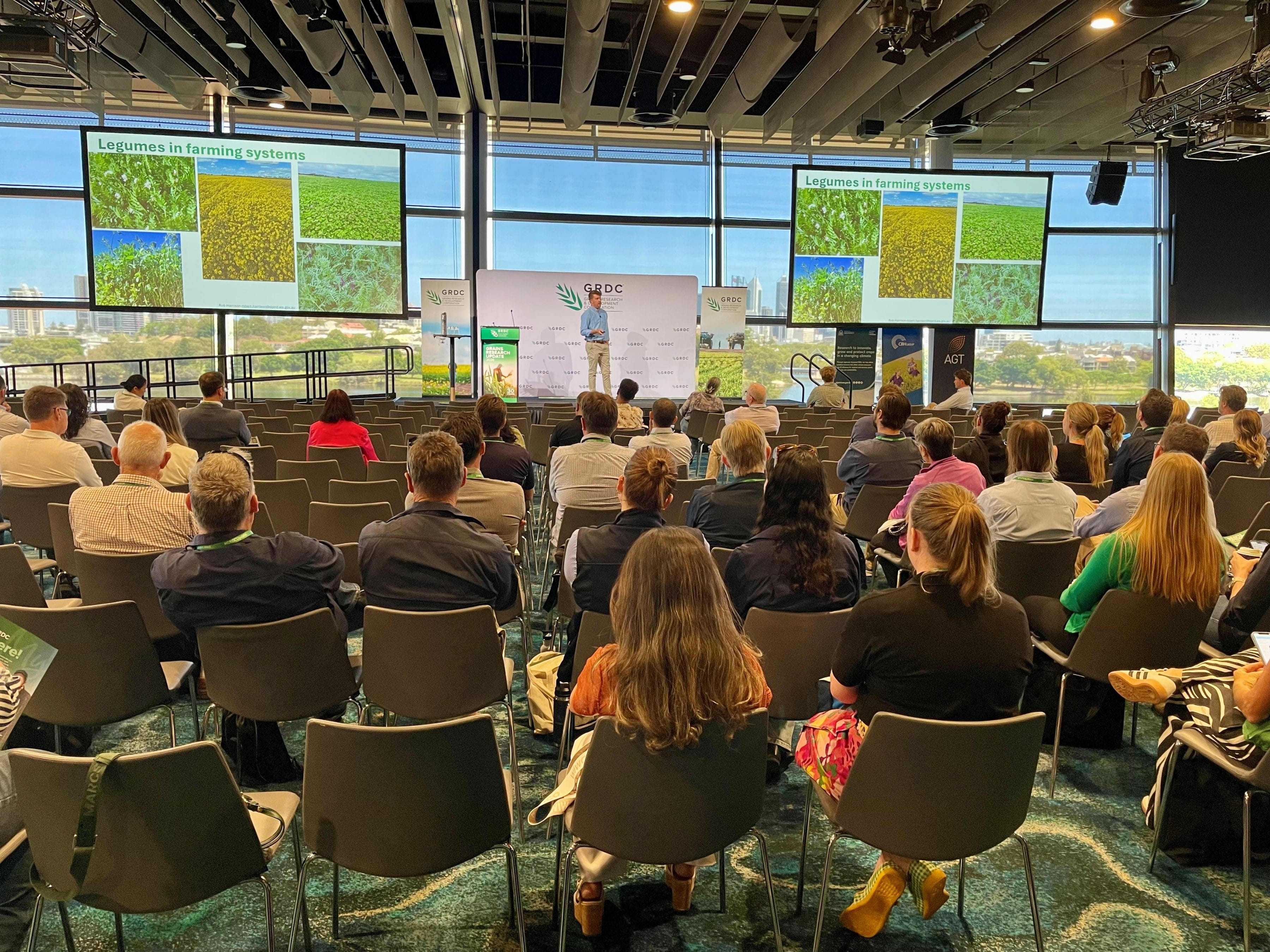
Day 2 continued the focus on farming systems innovation, with Rob Harrison (DPIRD and Murdoch University) presenting research from the Harvestable Annual Legume Options (HALO) project. His presentation examined how nitrogen from harvestable annual legumes is retained, transformed and made available to subsequent cereal crops – providing important insights for growers managing fertiliser costs and crop rotations.
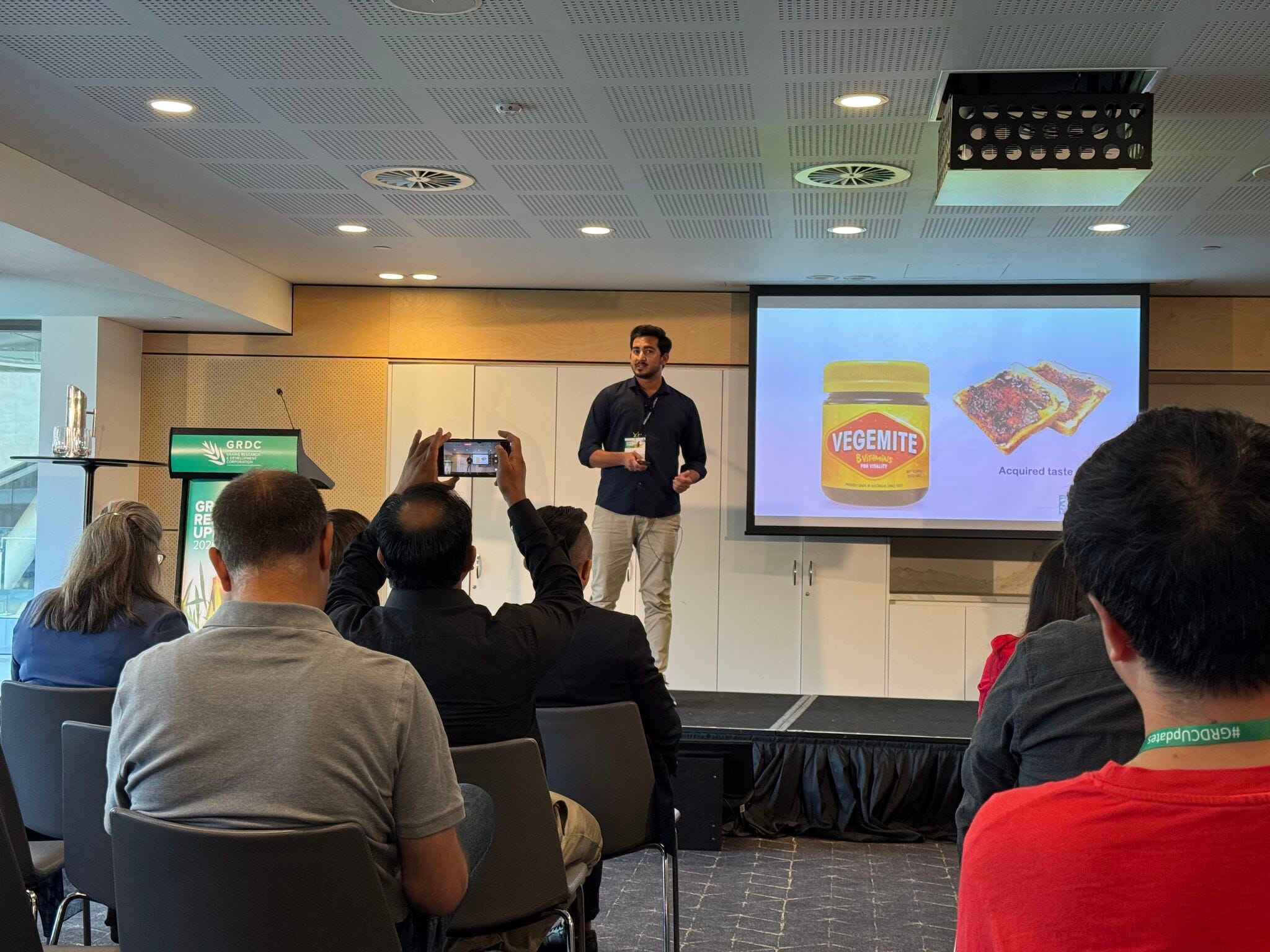
WAARC Postgraduate Research Scholarship recipient Ali Zahid (Murdoch University) also presented his research investigating how dietary experience influences the predatory behaviour of ladybird beetles, with potential to strengthen biological pest control in canola systems.
Recognising research impact and collaboration
In a well-deserved moment, Dr Ron Yates, DPIRD senior scientist and member of the Legume and Rhizobium Science research group based at Murdoch University, was awarded the GRDC Seed of Light – West. The award recognises outstanding dedication to the communication and extension of GRDC-invested research. Through collaboration with WAARC and CSIRO on the Harvestable Annual Legume Options (HALO) project, Dr Yates has helped advance understanding of the nitrogen benefits of legumes in rotation, contributing to more productive and sustainable grain systems.
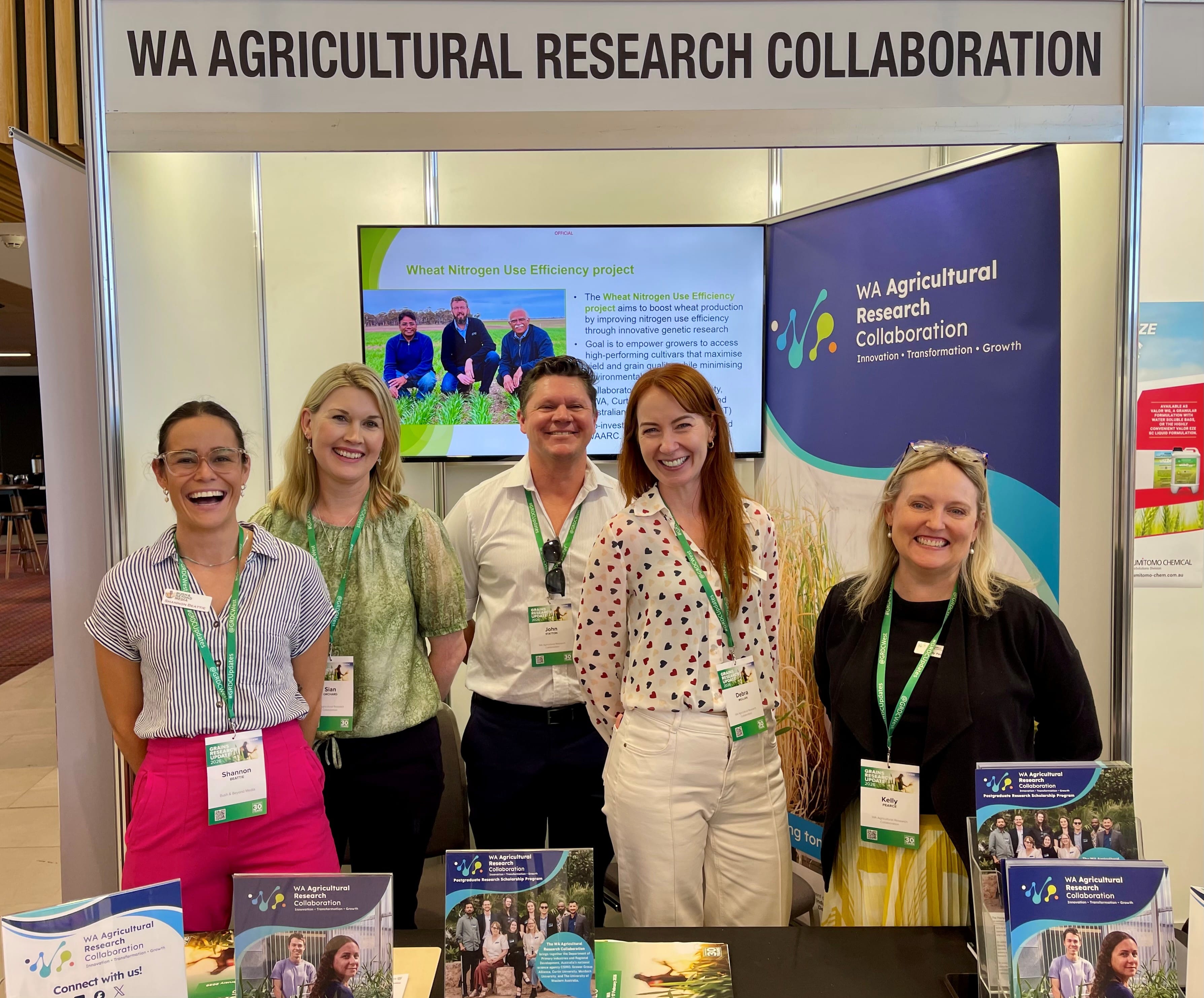
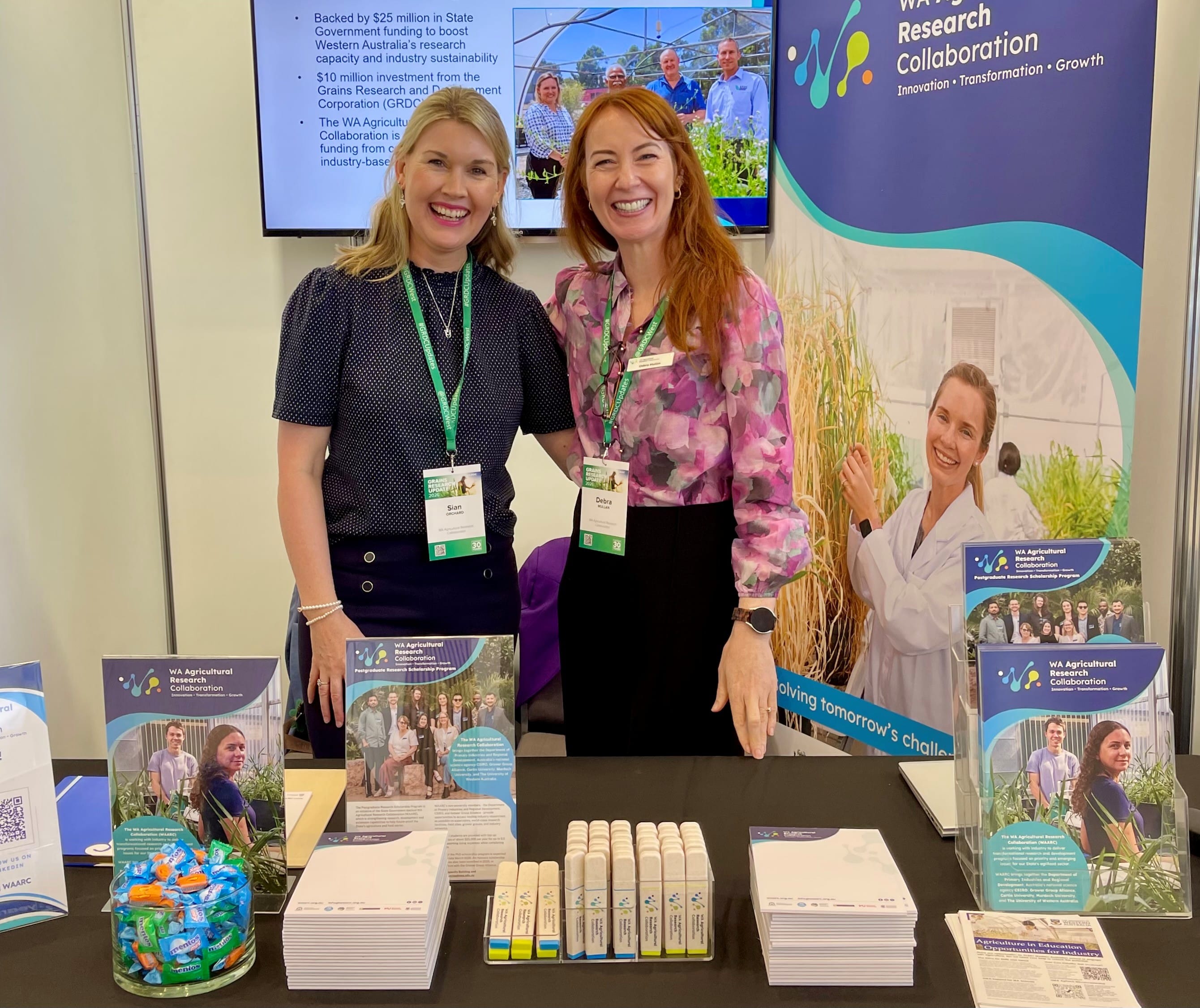
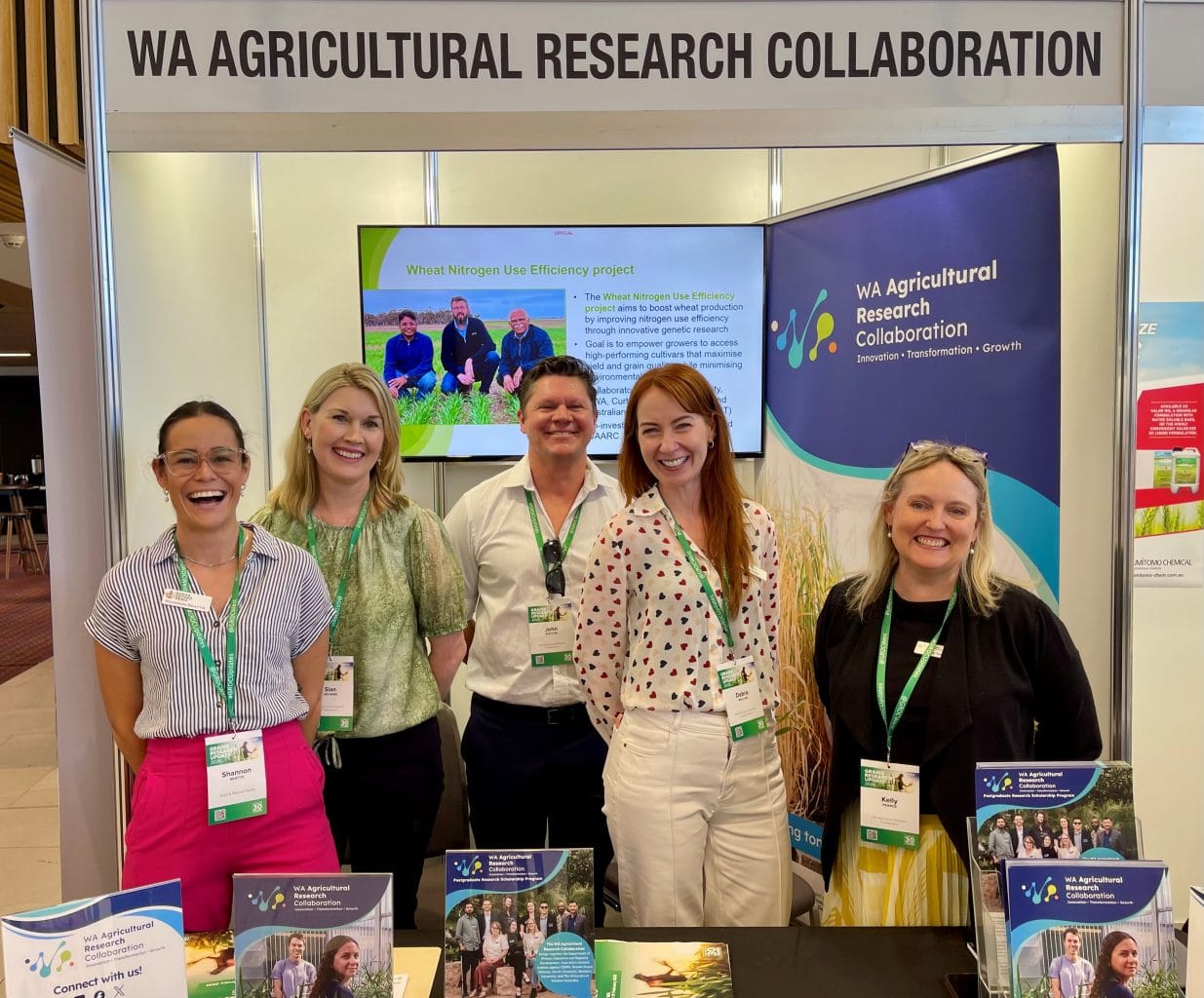
Across both days, WAARC team members Kelly Pearce, Debra Mullan, John Statton and Sian Orchard were on site engaging with researchers, students and industry stakeholders, reinforcing WAARC’s role in connecting research capability with on-farm impact.
Together, the presentations, conversations and collaborations at GRDC Updates Perth highlighted the strength of Western Australia’s grains research ecosystem and the growing role of partnership-driven initiatives in delivering practical outcomes for growers.