
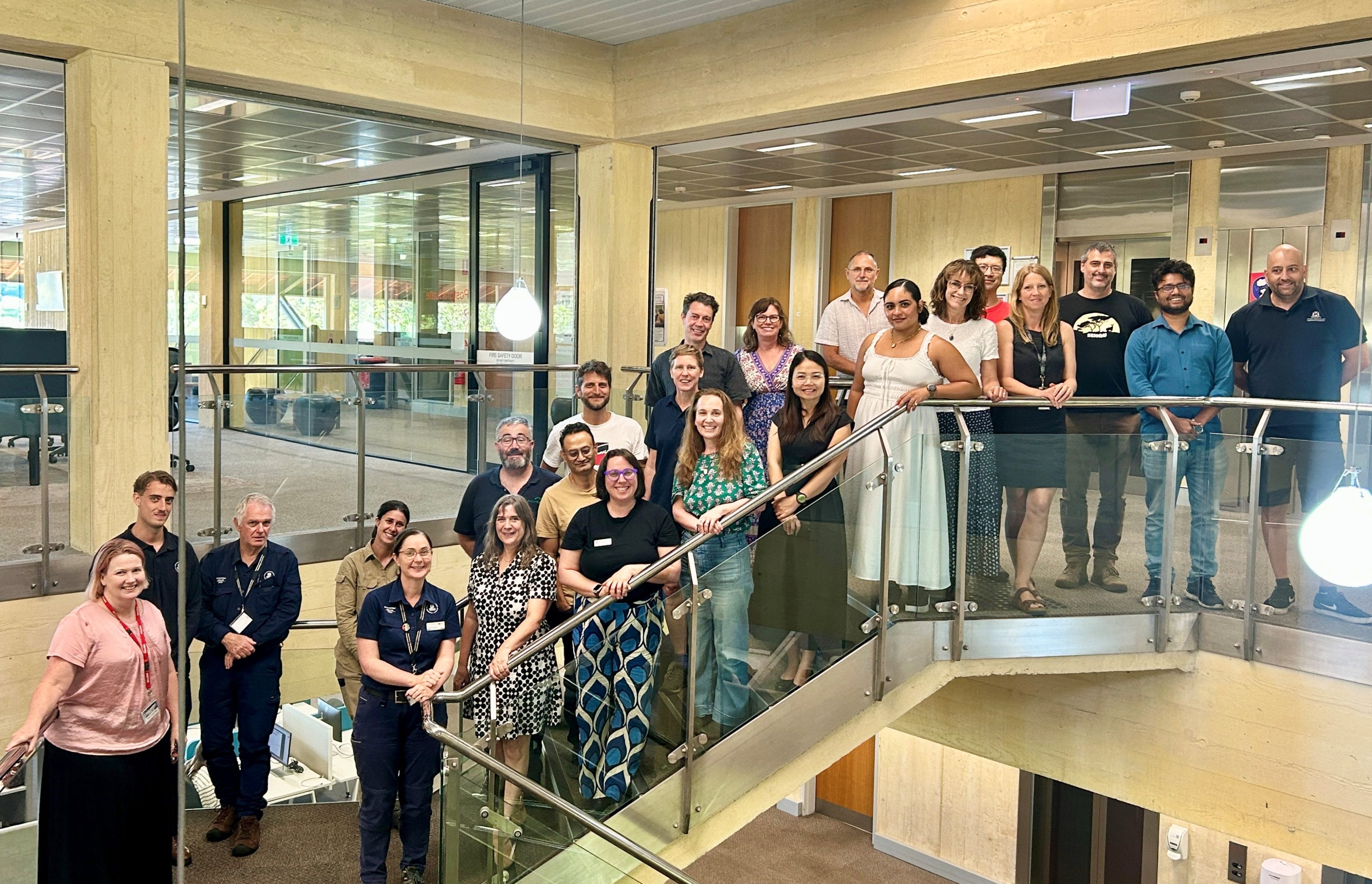
On Friday, 20 March, the WA Agricultural Research Collaboration (WAARC) hosted a Polyphagous Shot-Hole Borer (PSHB) Researcher Meeting at The University of Western Australia (UWA), bringing together leading scientists from across Western Australia and internationally.
The meeting followed a week of coordinated activity focused on strengthening collaboration and response efforts to PSHB. This included the Consultative Committee on Emergency Plant Pests (CCEPP) meeting held in Perth on 17 March, and a national stakeholder meeting led by the Department of Primary Industries and Regional Development (DPIRD) on 19 March.
WAARC welcomed internationally recognised researchers Dr Shannon Lynch (California, USA) and Dr Francois Roets (South Africa), who joined local experts to share insights and contribute to refining and optimising research methodologies. Their participation provided valuable global perspectives to support Western Australia’s response to this significant pest threat.
More than 20 attendees participated in the meeting, representing WAARC, DPIRD and the Department of Biodiversity, Conservation and Attractions (DBCA). Research project teams from Curtin University, Murdoch University and UWA also attended, reflecting the strong collaboration underpinning WAARC’s $2.19 million PSHB Research Program.
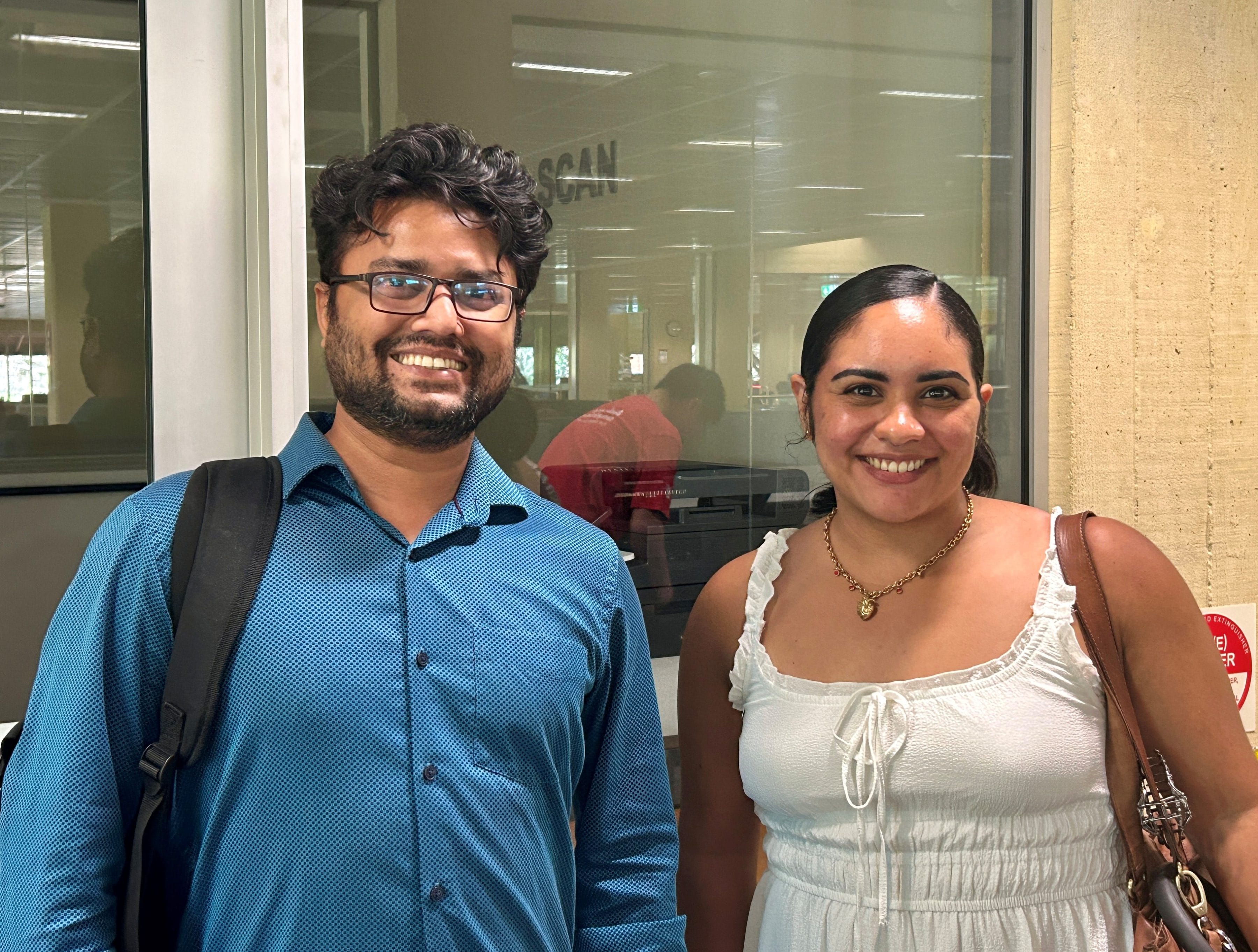
The meeting included two WAARC-funded PhD students, Normandie Gonzalez (Curtin University) and Shahidul Khan (Murdoch University), highlighting the important role of emerging researchers in advancing knowledge and innovation in this field.
This collaborative effort reinforces WAARC’s commitment to strengthening research coordination and ensuring Western Australia is equipped with the best available science to respond effectively to the ongoing challenge of polyphagous shot-hole borer.