
A WA Agricultural Research Collaboration (WAARC) analysis has identified the workforce capabilities needed to help Western Australian agriculture remain innovative, productive and globally competitive over the next five to 15 years.
Five Capacity Needs Analysis reports have now been released, providing detailed insights into workforce needs and priorities across WA’s agricultural research, development and extension (RD&E) sector.
While WA has a highly skilled agricultural RD&E workforce, the analysis found that targeted investment and strategic planning are needed to support the sector’s long-term resilience.
Opportunities to strengthen capacity in areas such as digital agriculture, extension, climate resilience, systems thinking and agronomy were identified, alongside the need to support workforce renewal and knowledge transfer across the sector.
Key strengths were highlighted across WA’s agricultural RD&E system including strong grower engagement, established industry networks, increasing adoption of digital technologies and growing demand for science-based solutions.
Undertaken by Jane Wightman Consulting in 2025, the analysis drew on a literature review, significant sector-wide survey and stakeholder interviews.
At each key stage of the process, feedback and validation were sought from a Strategic Advisory Group comprised of leaders from key organisations across the sector.
WAARC Director Kelly Pearce said the analysis findings would provide a strong evidence base for workforce planning and investment, helping ensure the sector has the skills and expertise needed to meet future challenges and opportunities.
“Western Australia is well placed to continue leading agricultural innovation if we keep investing in the people, skills and partnerships needed to drive the sector forward,” Dr Pearce said.
“We need a workforce that is digitally capable, climate-ready and skilled in extension and communication, supported by strong mentoring, collaboration and modern infrastructure.”
The analysis identified five priority workforce capacity areas:
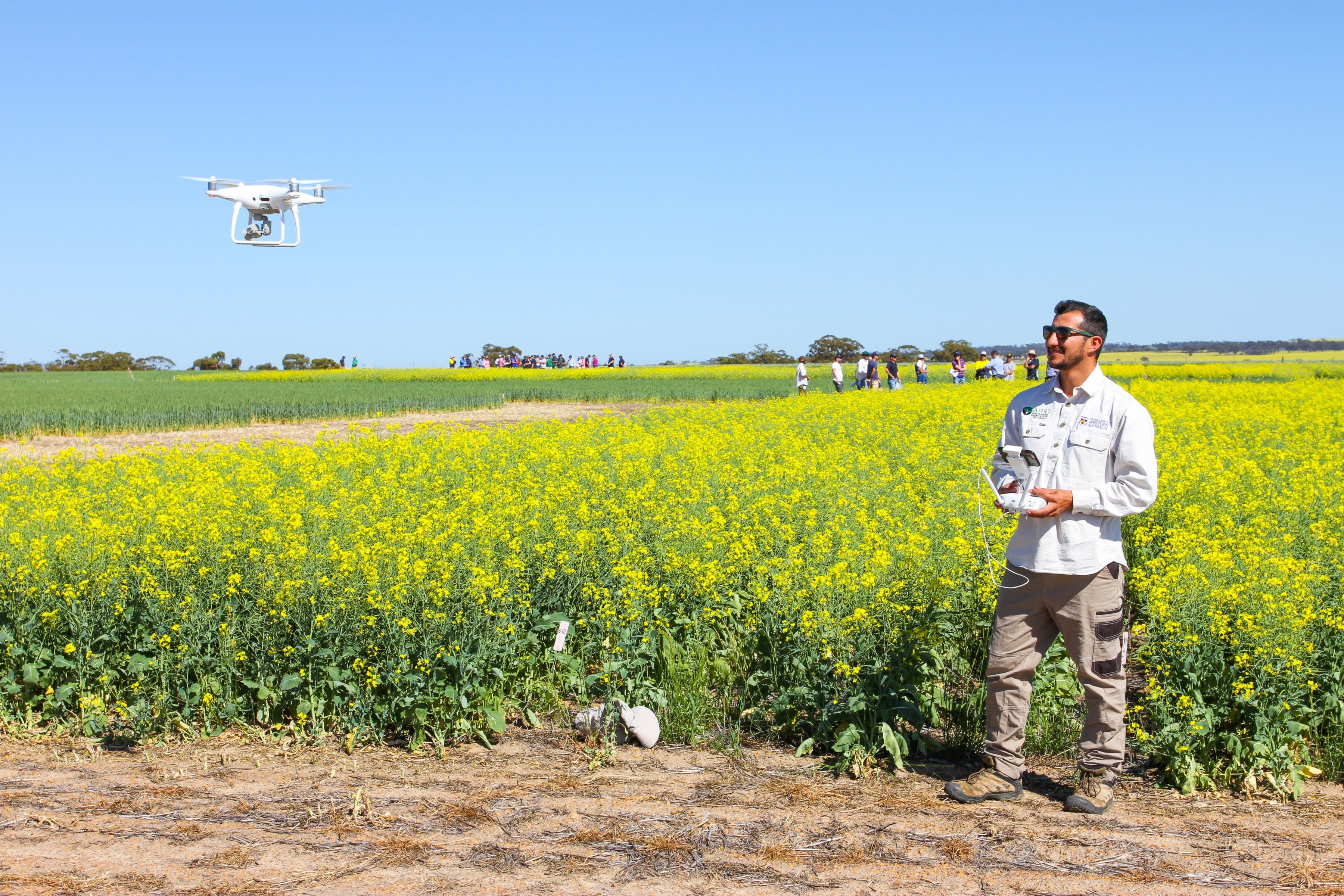
- Data and digital capability — including artificial intelligence, automation, data analytics, modelling and decision-support systems.
- Extension and communication — to improve the translation of research into practical on-farm outcomes and support industry adoption.
- Systems and interdisciplinary capability — spanning technical, economic, environmental and social disciplines, supported by stronger systems thinking and cross-disciplinary collaboration.
- Climate and sustainability expertise — including carbon markets, emissions management, sustainability reporting and climate adaptation.
- Agronomy and production systems capability — to maintain field-based expertise and strengthen succession planning.
Data and digital workforce capacity emerged as the most significant gap, with stakeholders highlighting a shortage of professionals with both agricultural and digital expertise.
The study also identified broader challenges including succession planning risks, insecure funding, salary competitiveness and ageing infrastructure that will require coordinated action across the sector.
“Retaining valuable expertise and supporting the next generation of agricultural researchers and professionals through strong mentoring and early-career pathways will be critical to the sector’s future,” Dr Pearce said.
“Workforce development is a shared responsibility — industry, government, universities and research organisations all have a role to play in strengthening career pathways, building skills, supporting workforce renewal and ensuring research delivers real-world impact on farm.”
WAARC is already using the findings to inform its capacity-building activities, strategic planning and future investment priorities.
The findings will also help inform cross-sector discussions on practical actions to strengthen career pathways, build skills and support the long-term sustainability of WA’s agricultural workforce.
The suite of five Capacity Needs Analysis reports, including a Summary Report that brings together the key findings, is available on the WAARC website.
WAARC is backed by $25 million in State Government funding to strengthen Western Australia’s research capacity and industry sustainability.