


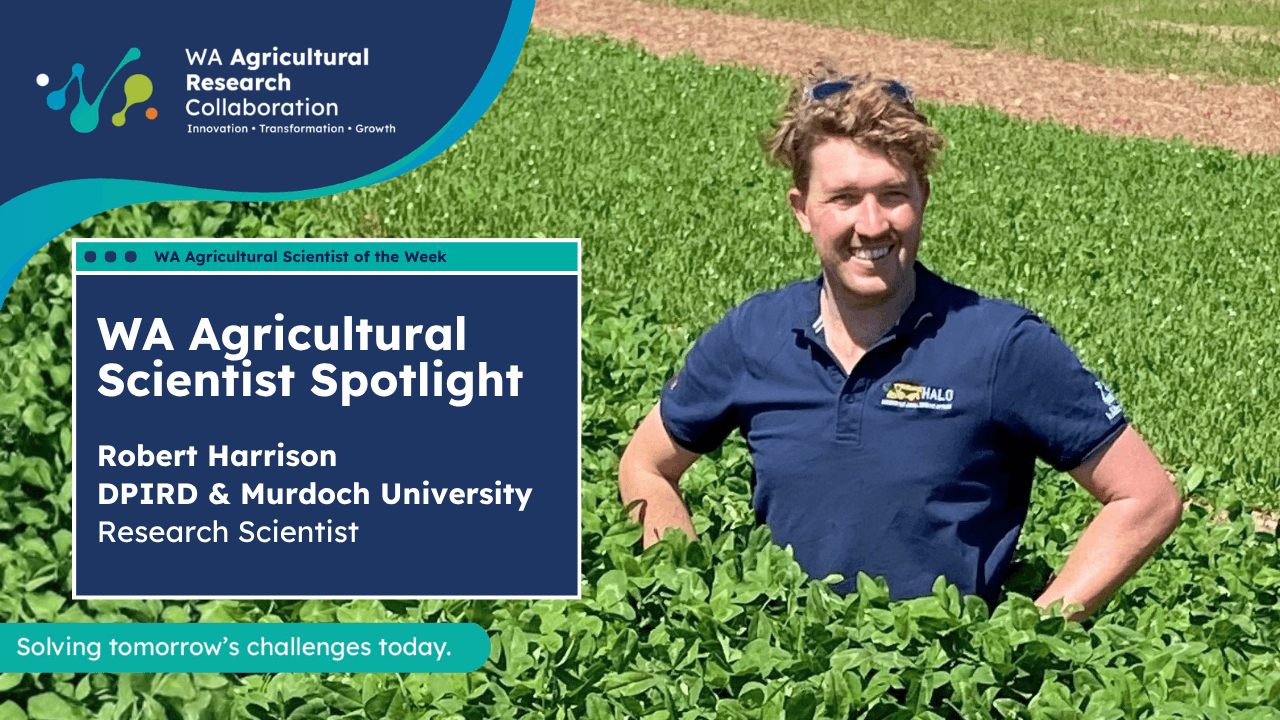
Every fortnight, the WA Agricultural Scientist Spotlight shares the stories of the people helping shape Western Australia’s agricultural future, highlighting their career journeys, research achievements and the ideas driving progress across the sector.
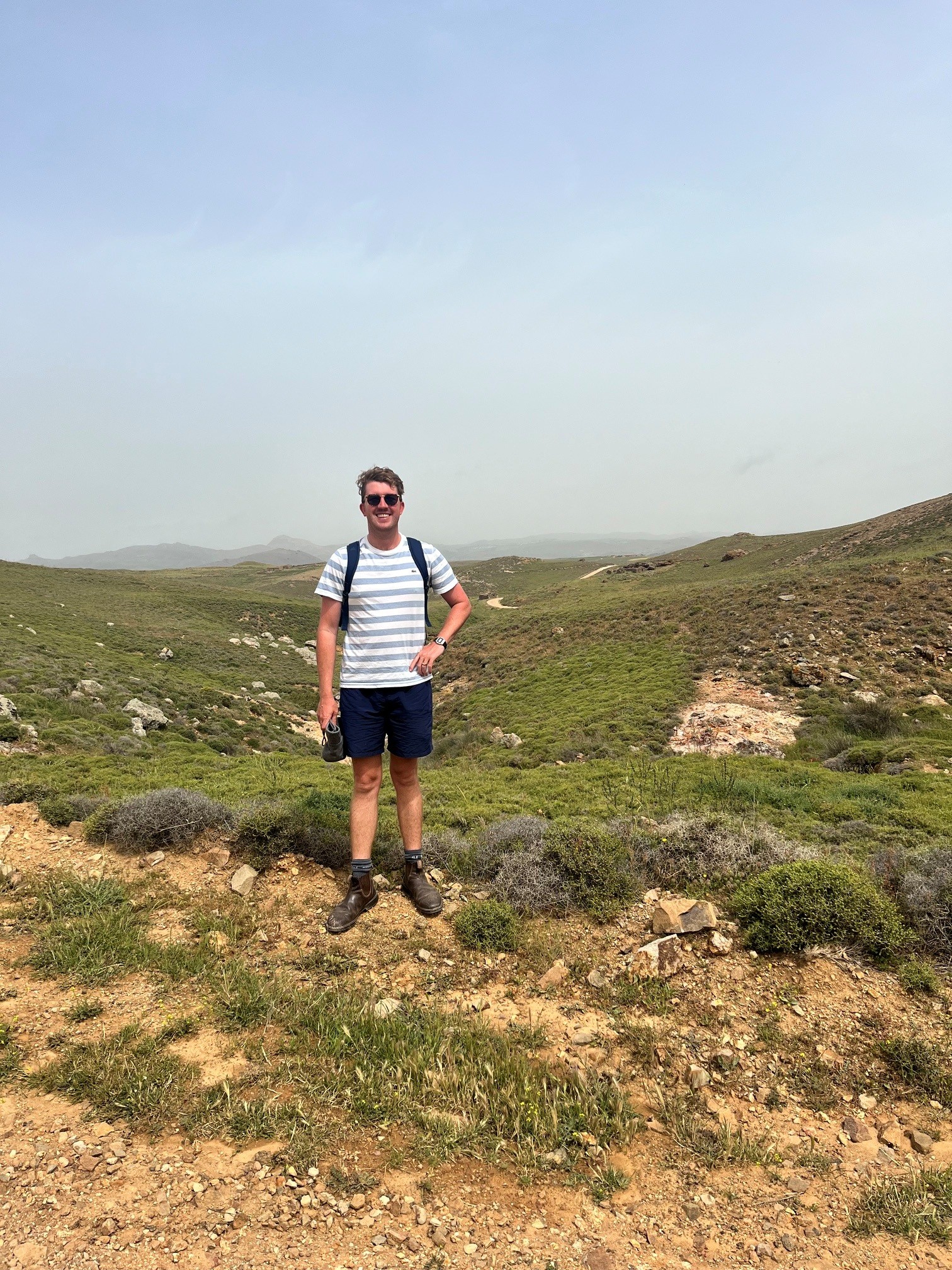
This edition features Robert Harrison, Research Scientist at the Department of Primary Industries and Regional Development (DPIRD) and Murdoch University, whose work spans pasture legumes, nitrogen cycling and agronomy.
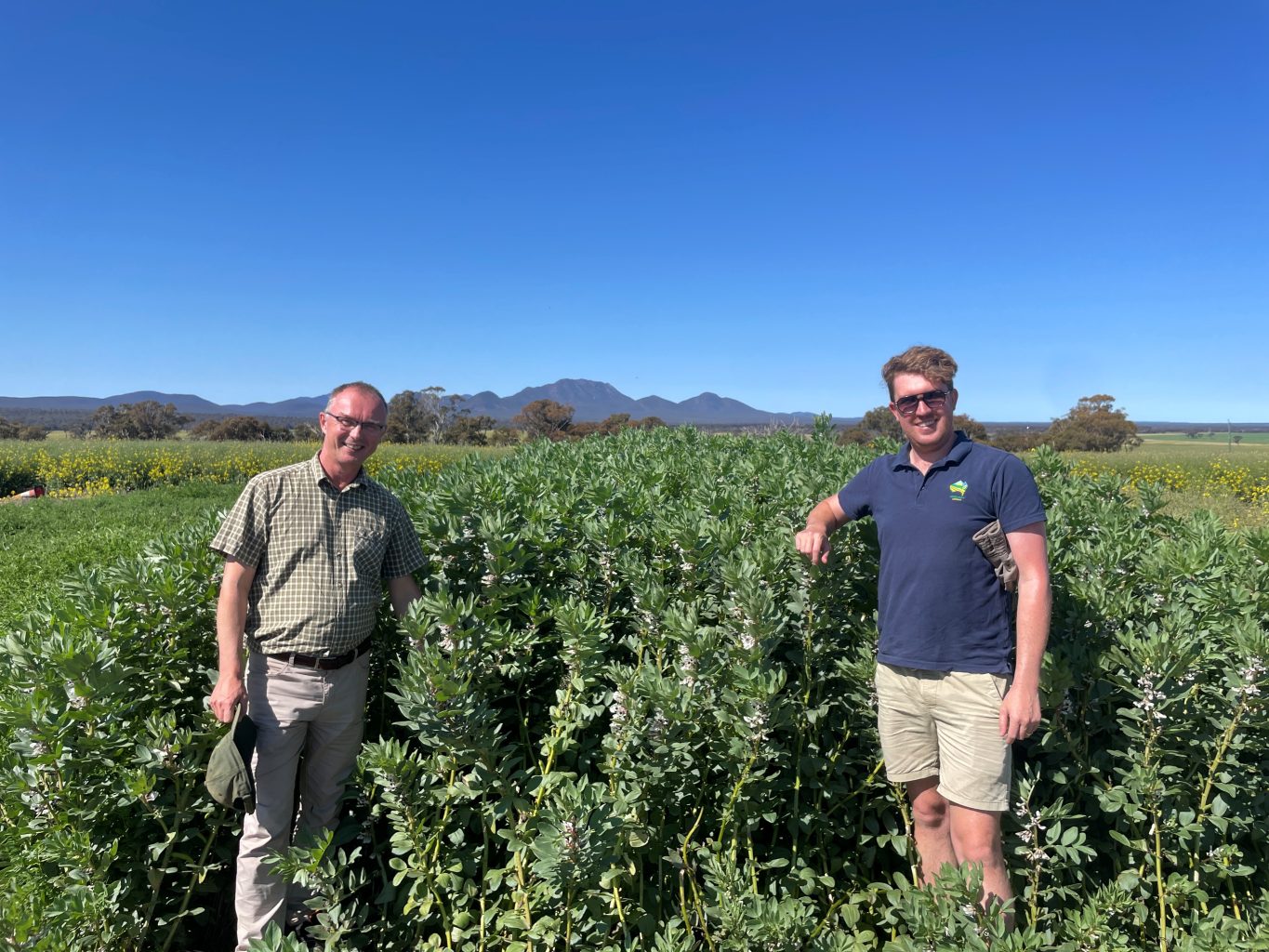
Today, Mr Harrison combines field research, pasture legume breeding and seed science, with a focus on improving the role legumes can play within Western Australian farming systems.
An agricultural path shaped early
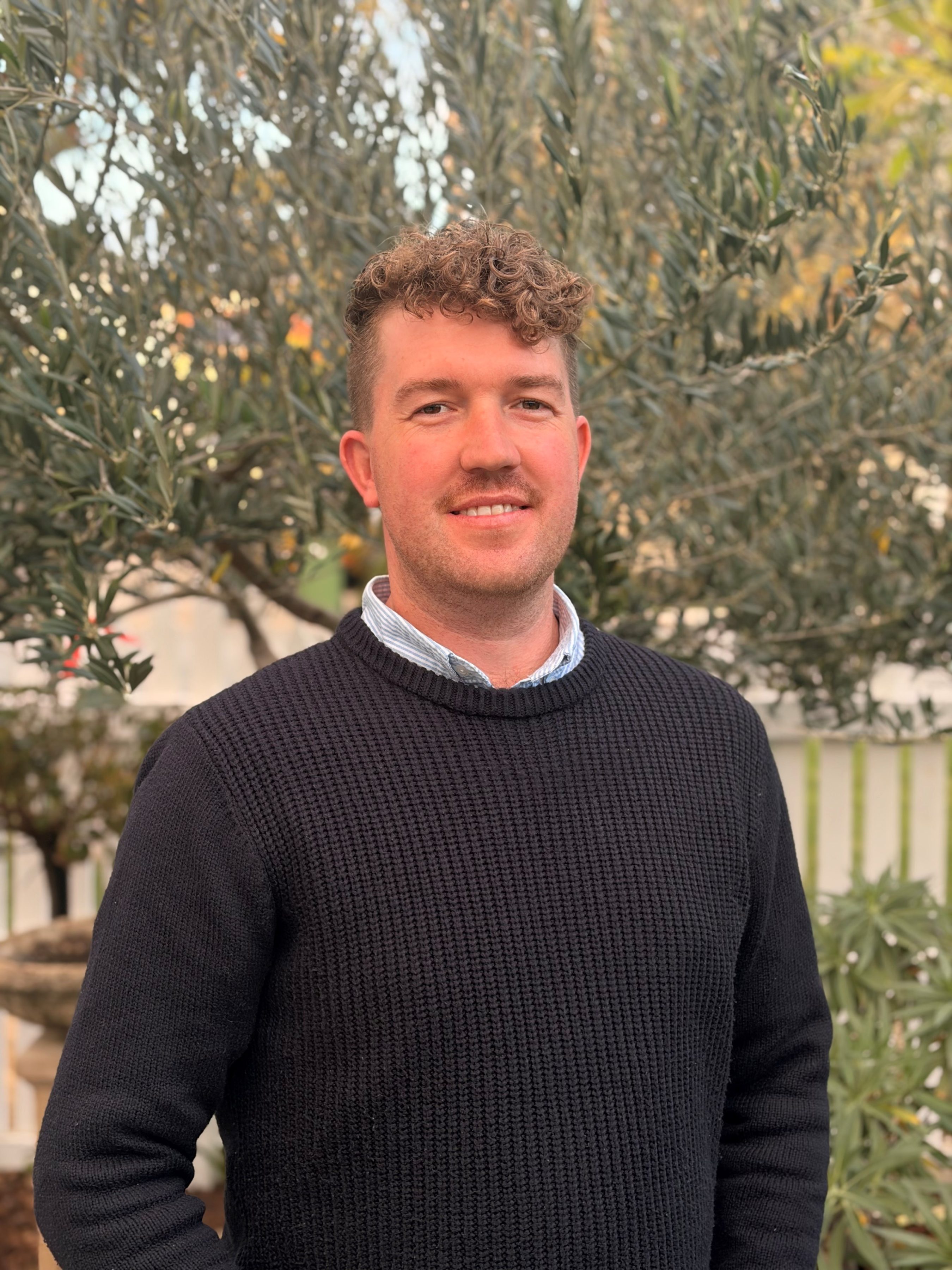
Mr Harrison completed a Bachelor of Science in Environmental Science and Agriculture at Curtin University before undertaking Honours in Crop and Pasture Science at Murdoch University, where he is now completing a PhD.
His academic pathway formalised an interest that had been part of his life from an early age.
“Although my family didn’t push me into ag, my upbringing and family history were a huge influence,” Mr Harrison said.
“I grew up in Wongan Hills, my father’s family are Western Victorian sheep farmers and my mother is from a dairy farm in North Yorkshire.
“On top of this, my great grandfather was J.E. Harrison, a sub clover breeder who bred Baccus Marsh and Tallarook cultivars.”
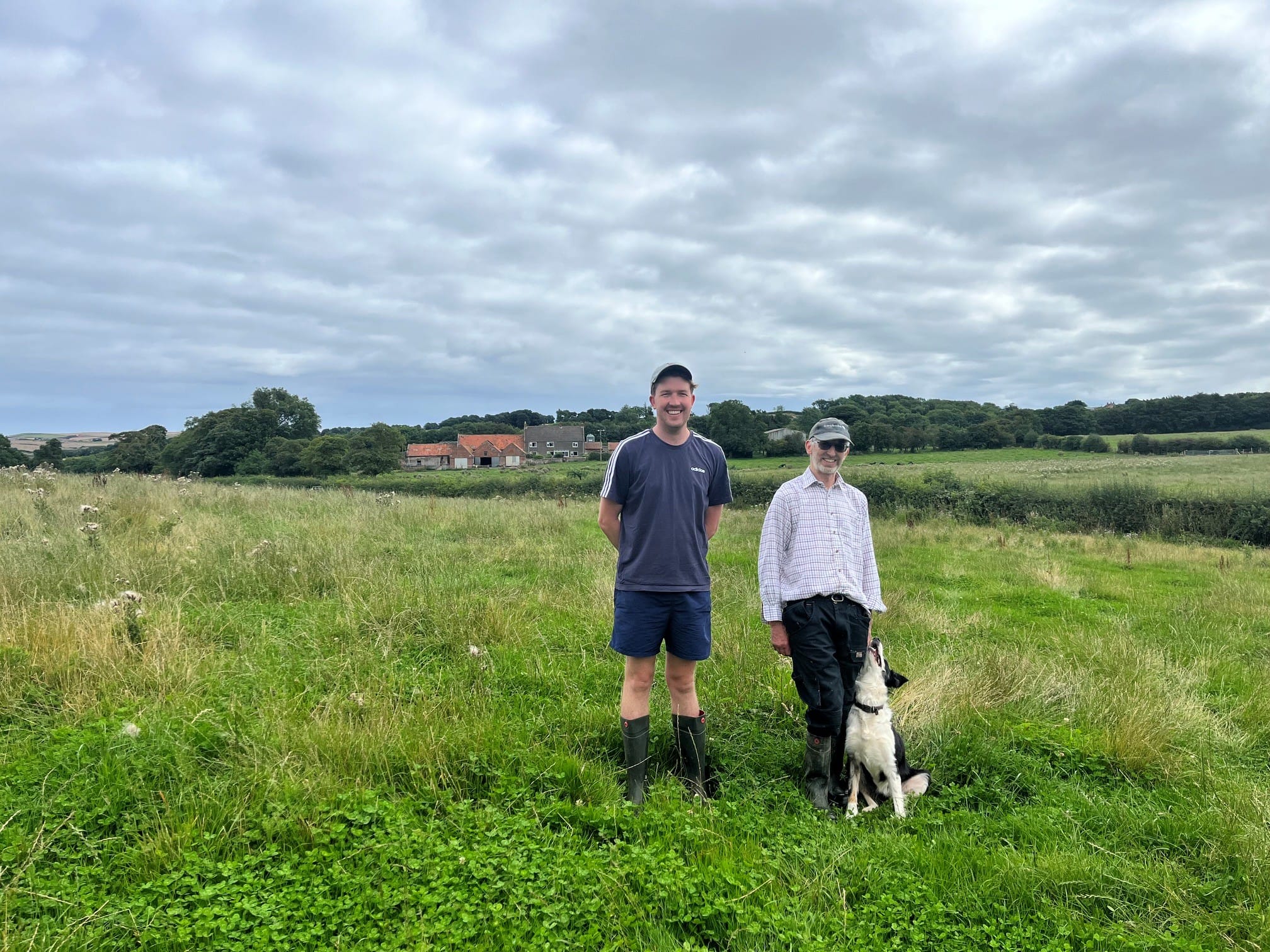
Between his undergraduate and Honours studies, Mr Harrison spent time working on farms while travelling through the northern hemisphere, an experience that further strengthened his interest in agriculture.
At Murdoch University’s Centre for Rhizobium Studies, now Legume and Rhizobium Sciences (LRS), he found a research environment focused strongly on pasture legumes.
Mentorship from researchers including Professor John Howieson, Dr Ron Yates, Dr Brad Nutt, Dr Angelo Loi and Dr Neil Ballard helped shape his early scientific development.
“In the early days at Murdoch Uni, research funding was tight so I was shipped off to Ballard seed cleaning and to Anna and Colin Butcher’s farm in Brookton,” Mr Harrison said.
“This gave me invaluable experience in on-farm seed production of pasture legumes.”
From research experience to DPIRD
Mr Harrison later worked at CSIRO under Dr Hayley Norman and Dr Dean Thomas before joining DPIRD, while maintaining his connection with LRS at Murdoch University.
That continued association has allowed him to work across a particularly broad scientific spectrum.
“The beauty of my Perth-based role is I can visit any part of the Wheatbelt, any day of any week,” he said.
“As the LRS does everything from molecular science to legume cultivar development and nitrogen fixation studies, each week the science can be extremely diverse.”
Mr Harrison now oversees pasture legume breeding, nitrogen transformation trials and broader agronomy research, supported by a team responsible for running trials and collecting high-quality data.
The combination of practical field research and more fundamental science is part of the job he values most.
“It is rare to work within a team that does molecular biology to field applied science all under the same roof,” he said.
Understanding seeds and nitrogen
Alongside his research role, Mr Harrison is completing a part-time PhD in seed science, examining how agronomic management factors affect seed development and dormancy in pasture legumes.
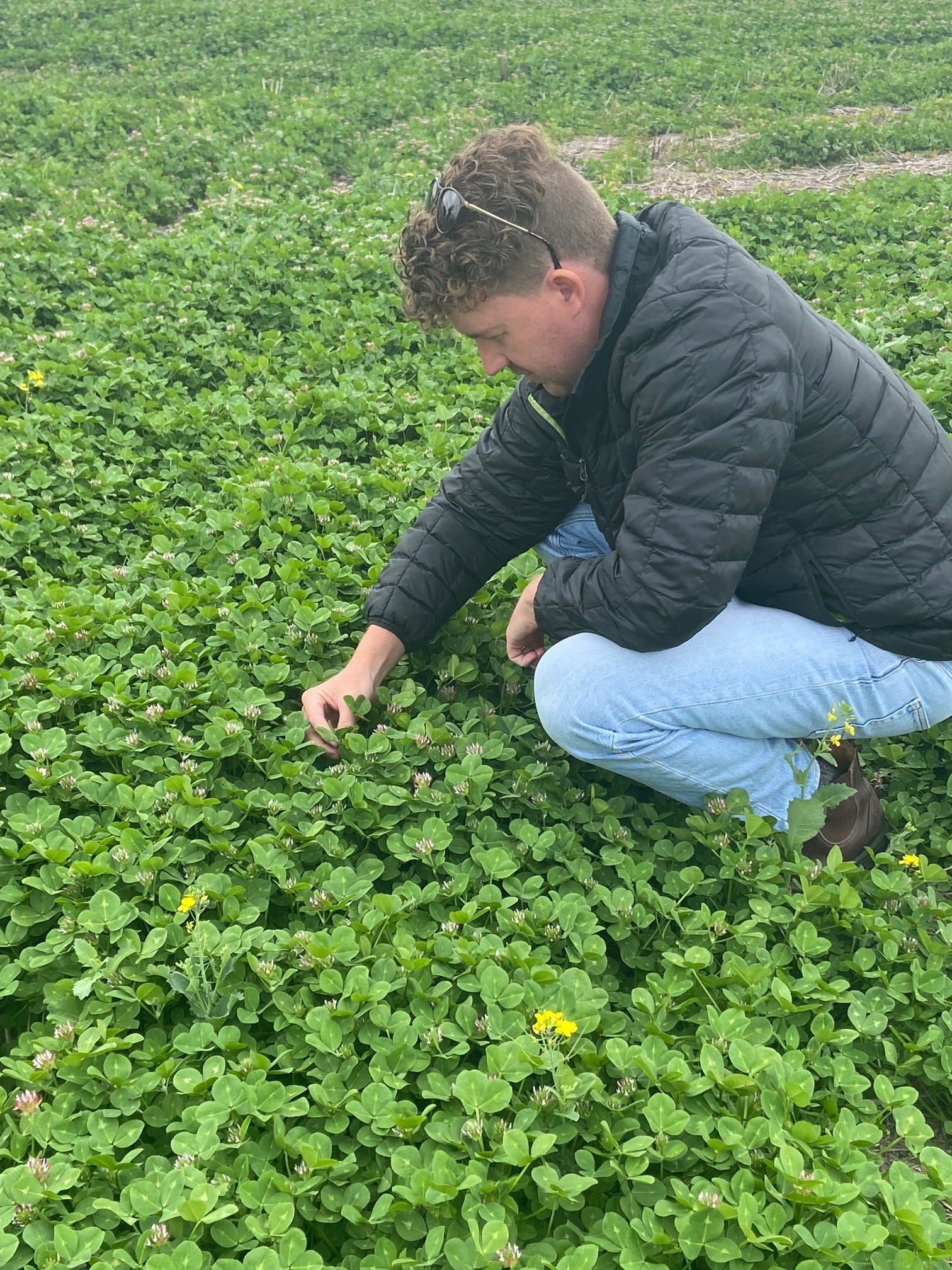
He also works on the Harvestable Annual Legume Options (HALO) project, a co-investment between the WA Agricultural Research Collaboration and Grains Research and Development Corporation, which is investigating how different pasture legume options fit within different farming systems.
“Each of these different legumes are releasing nitrogen from their residues at different amounts and times,” Mr Harrison said.
“When we can figure it out further, hopefully we can get farmers to fertilise outside of the legume nitrogen release times to stop nitrogen losses.”
The longer-term goal is to strengthen the ability of farming systems to generate more of their own nitrogen and reduce exposure to fertiliser costs and supply disruptions.
His seed science research also has an international dimension, with collaboration involving researchers in China and Czechia to improve understanding of physical dormancy.
People at the centre of research
While the science itself is important, Mr Harrison places equal value on the people involved in agricultural research.
He identifies both farmers and colleagues as a major source of satisfaction in his career.
“There aren’t too many people you can’t work with in ag,” he said.
“It’s special to be able to work alongside friends that are also really driven to increase the profitability and sustainability of agriculture.”
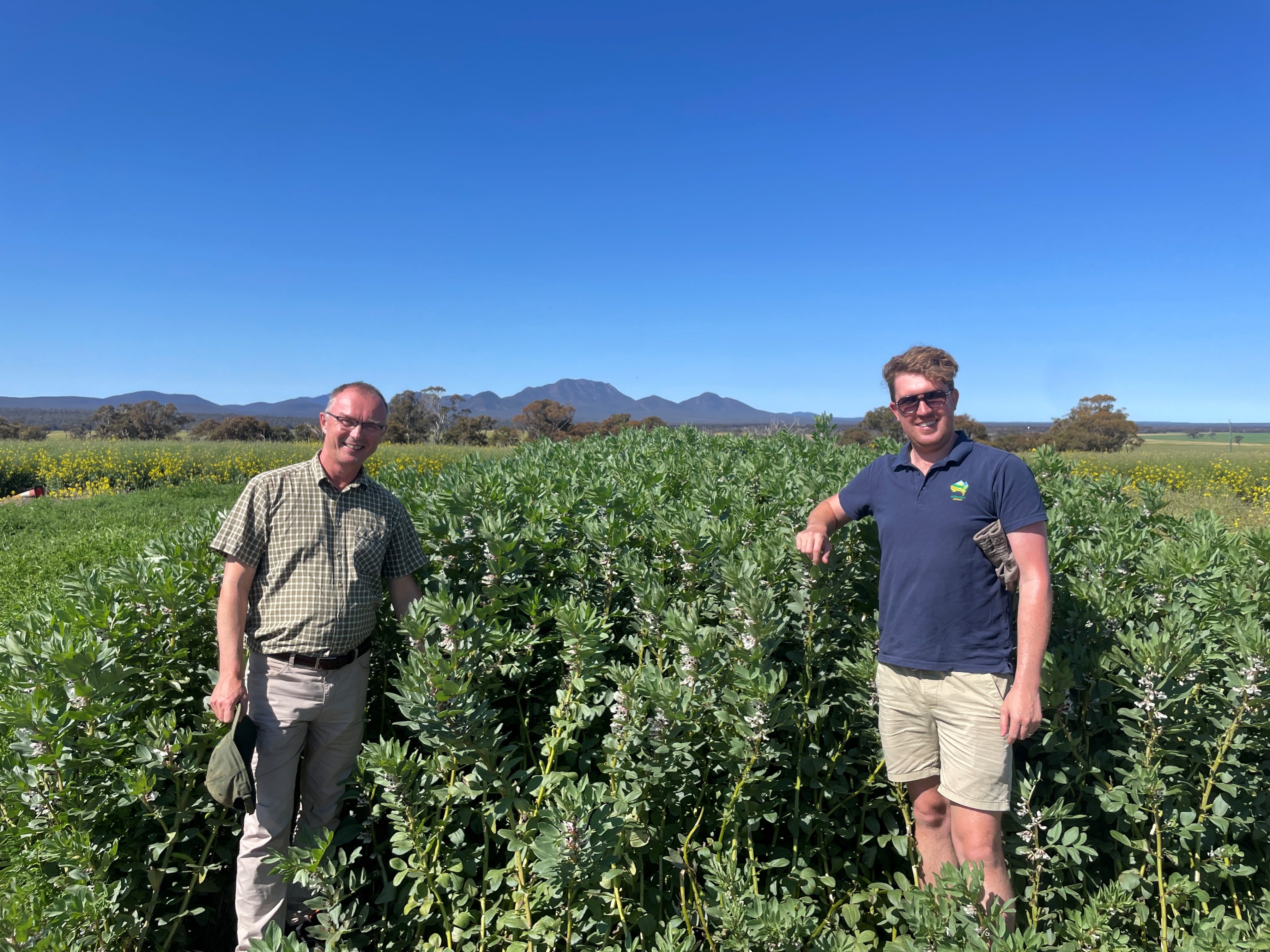
When asked about his proudest career accomplishment, Mr Harrison pointed not to a particular trial or publication, but to the people who had developed alongside him and all they had gone on to achieve.
His advice to early-career scientists reflects the same emphasis on relationships.
“Make good contacts and connections because they are your capital when you’re in the bush,” he said.
“Most people in agriculture are willing to help, so the more people you have supporting you, the more seamless your journey will be.”
From practical seed production and farm work to pasture legume breeding, nitrogen research and international seed science collaborations, Mr Harrison’s career has remained closely connected to agricultural science and the people who drive it.
At DPIRD and Murdoch University, that experience is now helping build pasture legume systems that can contribute more effectively to productive and resilient WA farms.
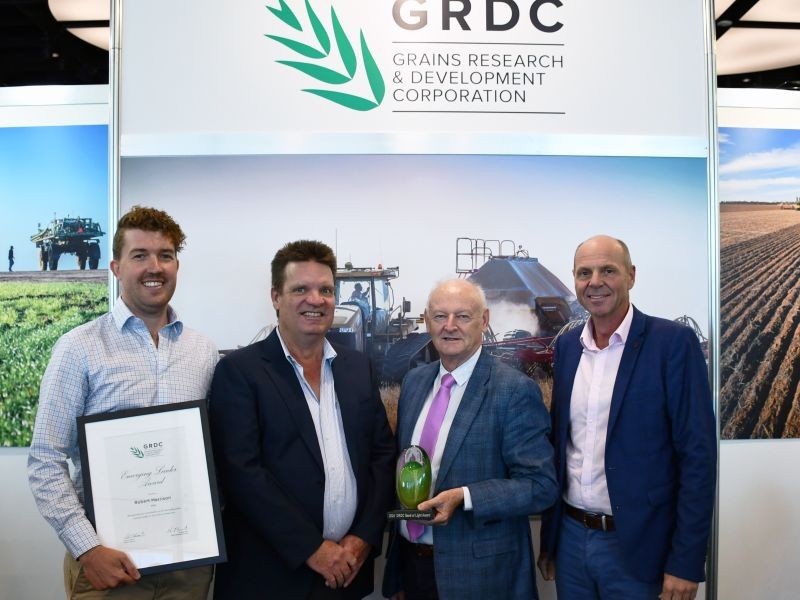
Through the WA Agricultural Scientist Spotlight series, WAARC celebrates the contributions of researchers like Robert Harrison, whose work exemplifies the dedication and innovation needed to advance agricultural science in Western Australia.
By sharing their stories, the series aims to inspire a new generation to pursue careers in this vital field, ensuring the State remains at the forefront of agricultural research and sustainability.