


Every fortnight, the WA Agricultural Scientist Spotlight shares the stories of the people helping shape Western Australia’s agricultural future, highlighting their career journeys, research achievements and the ideas driving progress across the sector.
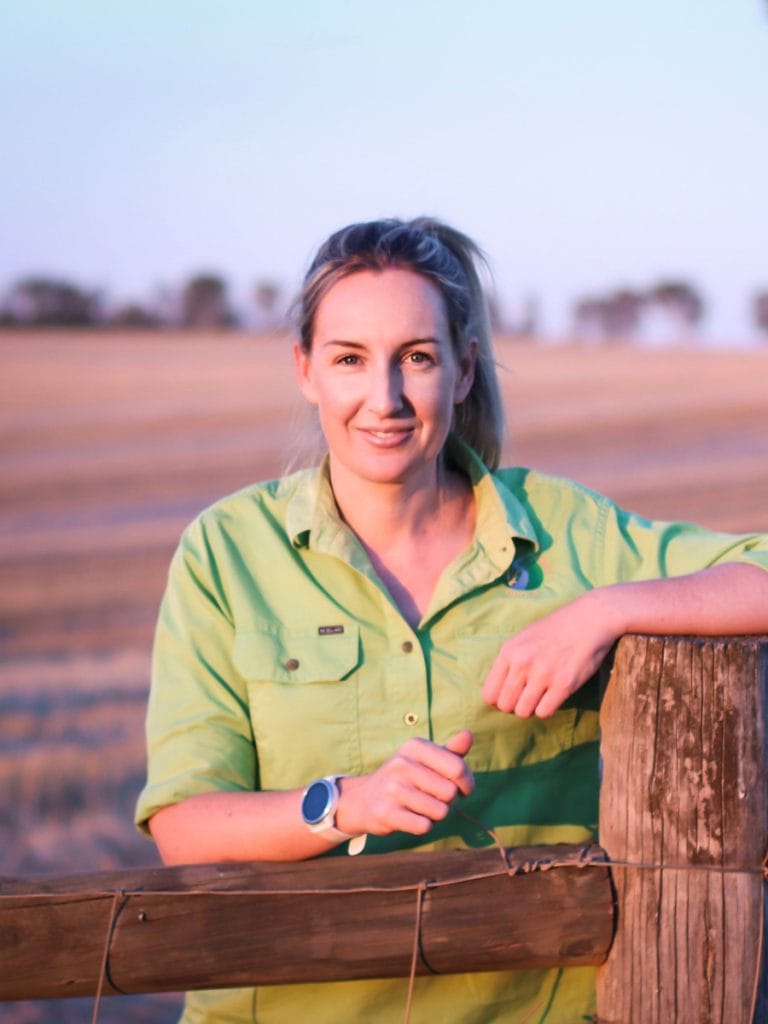
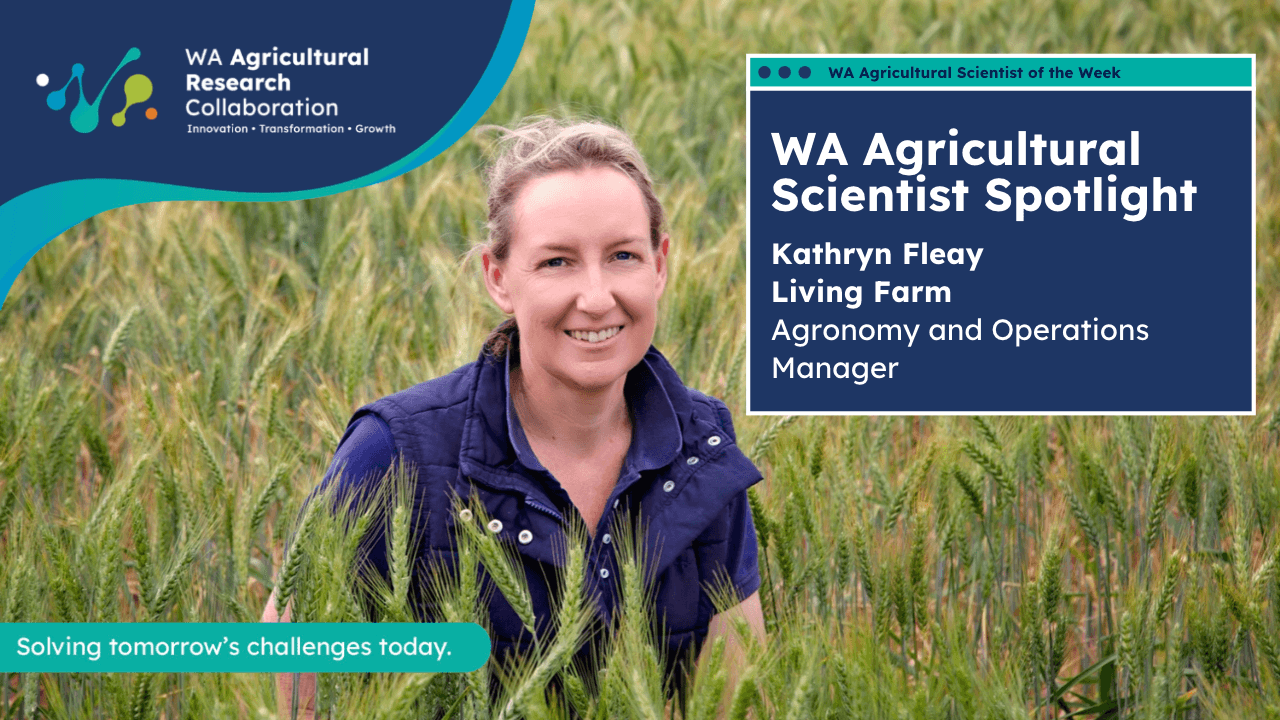
This edition features Kathryn Fleay, Agronomy and Operations Manager at Living Farm, whose career has moved through grower-led research, commercial agronomy, farm management and operational leadership.
Today, Ms Fleay helps oversee research delivery across the WA Wheatbelt, combining agronomy, operations and people leadership to ensure trials are both scientifically robust and practical to deliver.
Building a career through opportunity
Ms Fleay studied a Bachelor of Agribusiness – Agricultural Technology at Curtin University, with an Honours project examining milk production and fleece weight in Merino ewes.
That project introduced her to applied research and sparked a curiosity about how science could be used to answer practical farming questions.
“I have always enjoyed agriculture, but I would also say my passion for certain areas within agriculture has evolved over time,” Ms Fleay said.
“There is such a diversity of opportunities, and seeing the practical outcomes and impact of your work is rewarding.”
Her career began with the Mingenew Irwin Group, where she worked with an experienced agronomist, local farmers and researchers on practical, farmer-driven research.
She then moved to Landmark as an agronomist working in Binnu, Northampton, Geraldton and Mingenew before taking on management of an 8000-hectare cropping enterprise in the Mid West, broadening her experience beyond agronomy into business management and farm operations.
Ms Fleay later returned to the Mingenew Irwin Group as Chief Executive Officer, adding financial management, project delivery, people leadership and industry engagement to her skillset.
“The confidence I have built thanks to the incredible farmers, agronomists and mentors, particularly from my time in the Mid West has allowed me to do things I would not have thought possible,” she said.
“I have been given amazing opportunities which have allowed me to develop a diverse and exciting career.”
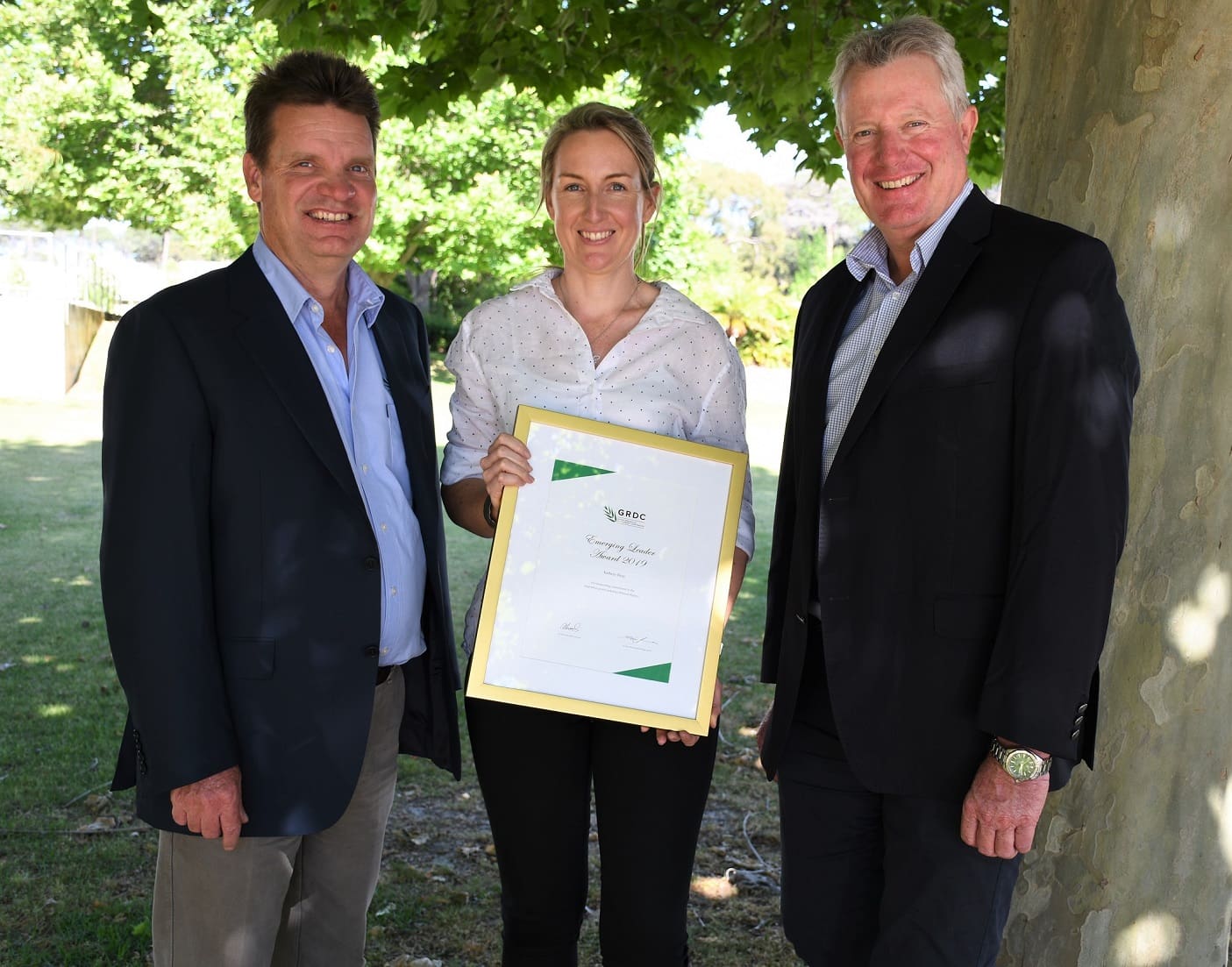
In 2019, Ms Fleay was presented with the Grains Research and Development Corporation (GRDC) Western Region Emerging Leader Award, while in 2021 she was awarded a Nuffield scholarship, where her topic focused on encouraging young people into agricultural careers.
Delivering research across the Wheatbelt
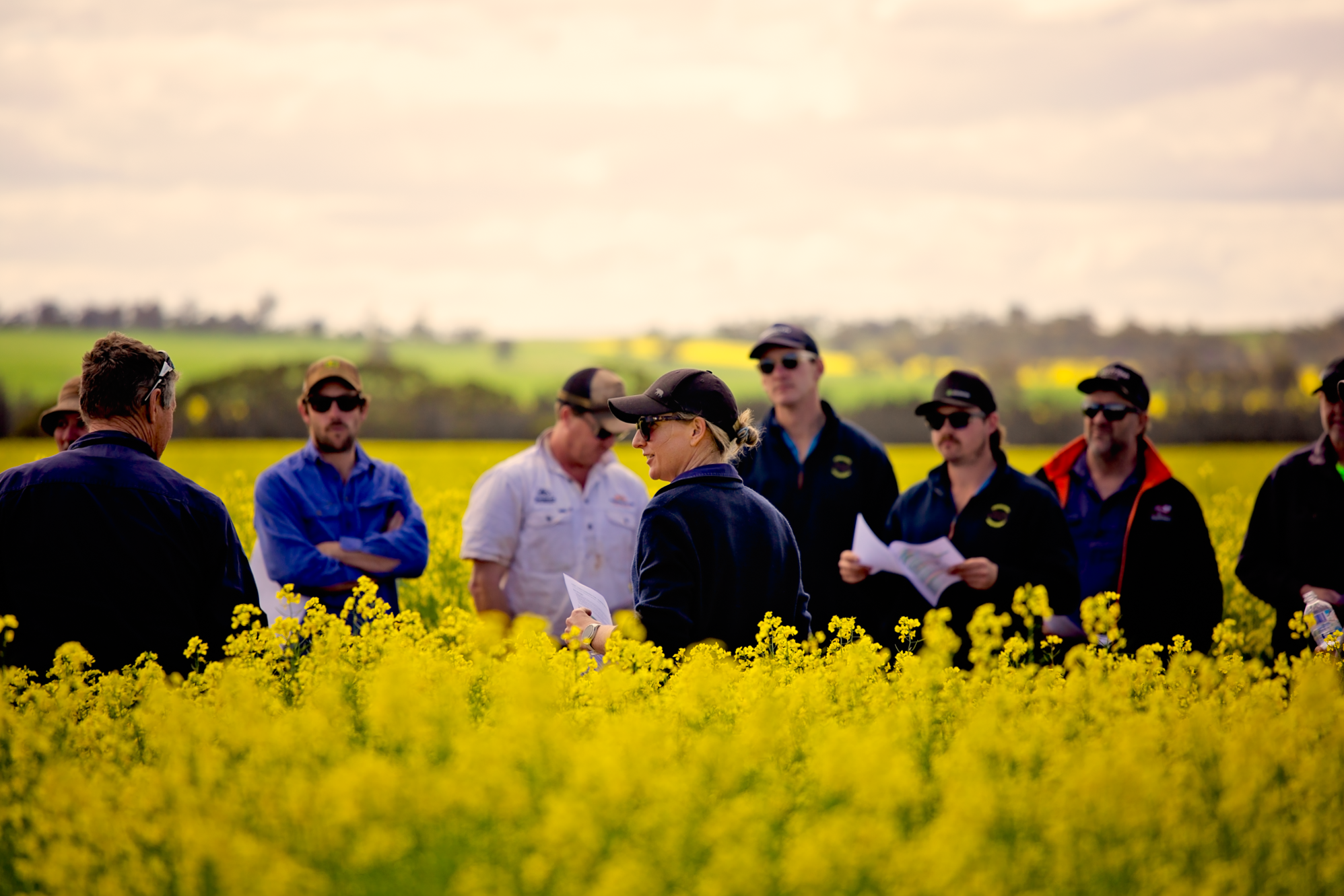
In 2021, Ms Fleay commenced at Living Farm where she now supports research staff by overseeing the maintenance of hundreds of trials throughout the WA Wheatbelt.
The research portfolio at Living Farm covers crop protection, agronomy, plant breeding, variety evaluation and farming systems, meaning her work shifts constantly between agronomic field delivery and broader operational planning.
For Ms Fleay, effective research depends on both the scientific question and the way the work is delivered in the field.
“Good agricultural research requires strong science and strong operational delivery, so I enjoy spending time developing our people, improving systems and looking for efficiencies,” she said.
“A typical week is really varied – I might be working with the team on the delivery of trials, discussing research priorities with growers and clients, visiting trial sites, developing operational plans and mentoring younger staff.”
Building confidence through legume research
Ms Fleay is currently involved in several legume projects being developed with farmers and agronomists through investment from the Grains Research and Development Corporation.
The projects are demonstrating how legumes can be grown successfully and profitably, while giving growers an opportunity to test alternatives within their own farming systems.
“Farm profitability and sustainability is a key interest, and seeing this work practically come to life on farms, and see the impact of farmers growing and trying alternative crops is rewarding,” Ms Fleay said.
The work also connects growers with research and researchers from WA and interstate, helping build confidence to ask questions, experiment and consider new approaches.
“This work gives growers the chance to explore, ask questions and experiment,” she said.
“Connecting growers with local and interstate research and researchers is a key part in developing confidence to grow and increase productivity in a farming enterprise.”
Developing people as well as research
Alongside the research itself, Ms Fleay places significant value on helping people build careers in agriculture.
Her own pathway has been shaped by mentors, farmers, agronomists and business owners who gave her opportunities to learn, and she now sees developing others as an important part of her contribution to the industry.
“I believe one of the greatest contributions we can make in agriculture is developing capable, curious and confident people that will continue to move the industry forward,” she said.
“For me success is about leaving organisations, teams and the broader industry stronger than you found them.”
That philosophy also shapes her advice to students and early-career professionals.
“Stay curious, take opportunities and don’t feel you need to have your whole career mapped out,” Ms Fleay said.
“Agriculture has an incredible diversity of career pathways, and some of the best, may be the ones you’ve never considered!
From agronomy and farm management to grower-group leadership and research operations, Ms Fleay’s career has grown through practical experience and a willingness to take opportunities as they appeared.
At Living Farm, she now brings those experiences together to support research that can improve farm decisions while helping build the people who will carry agricultural science forward.
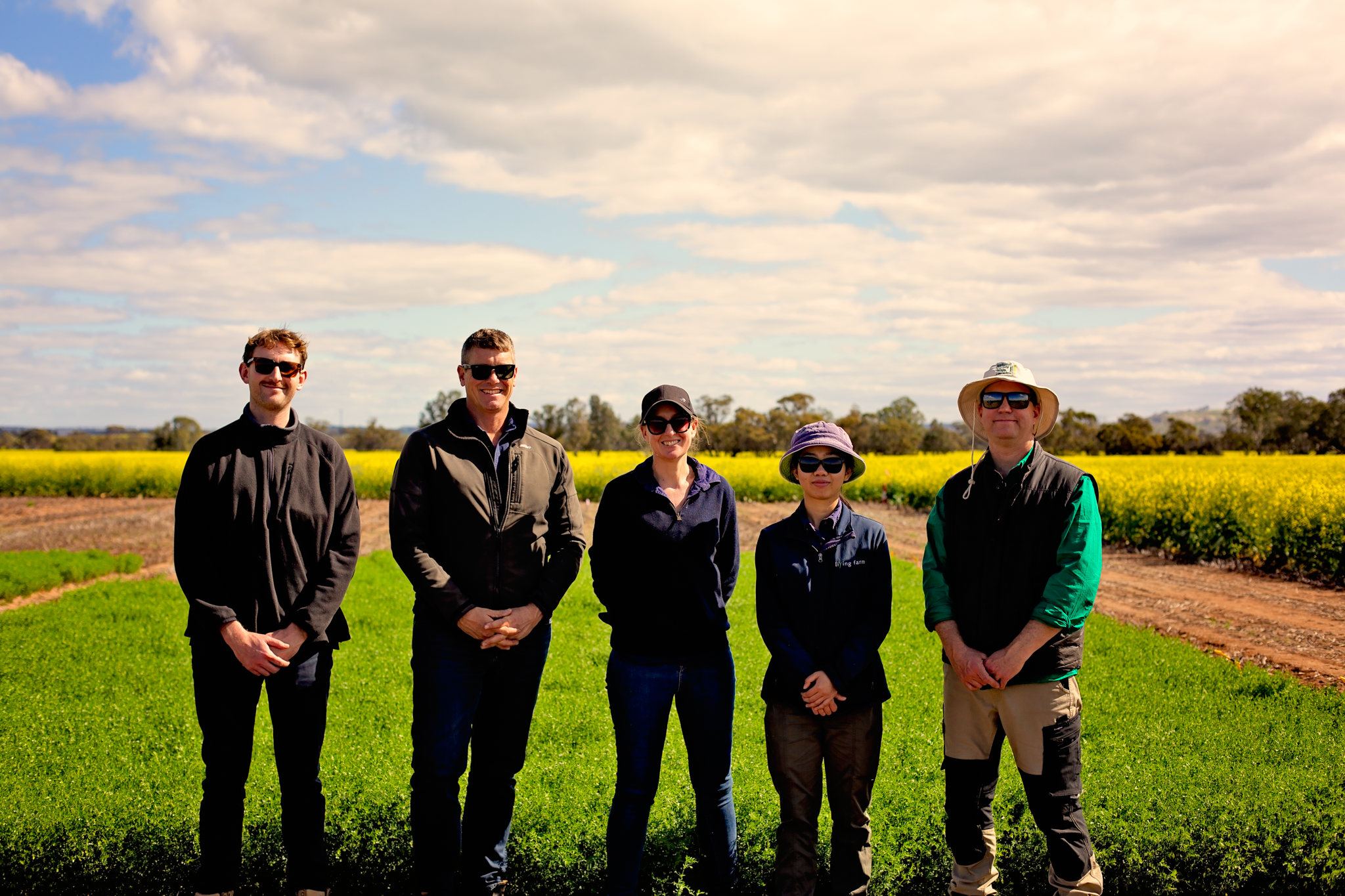
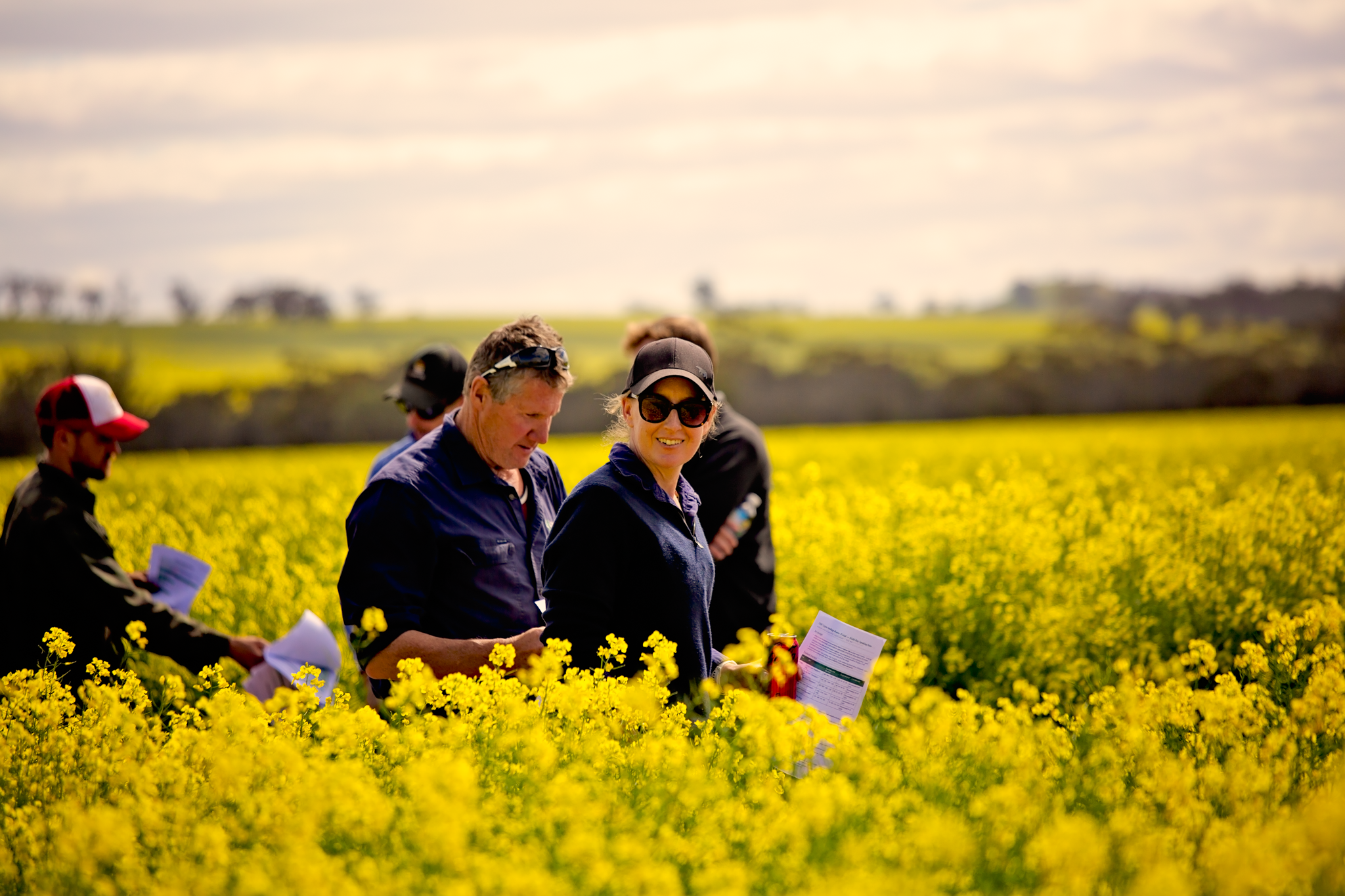
Through the WA Agricultural Scientist Spotlight series, WAARC celebrates the contributions of researchers like Kathryn Fleay, whose work exemplifies the dedication and innovation needed to advance agricultural science in Western Australia.
By sharing their stories, the series aims to inspire a new generation to pursue careers in this vital field, ensuring the State remains at the forefront of agricultural research and sustainability.