Cross-sector collaboration sets six priorities for transforming former mine sites into productive farmland
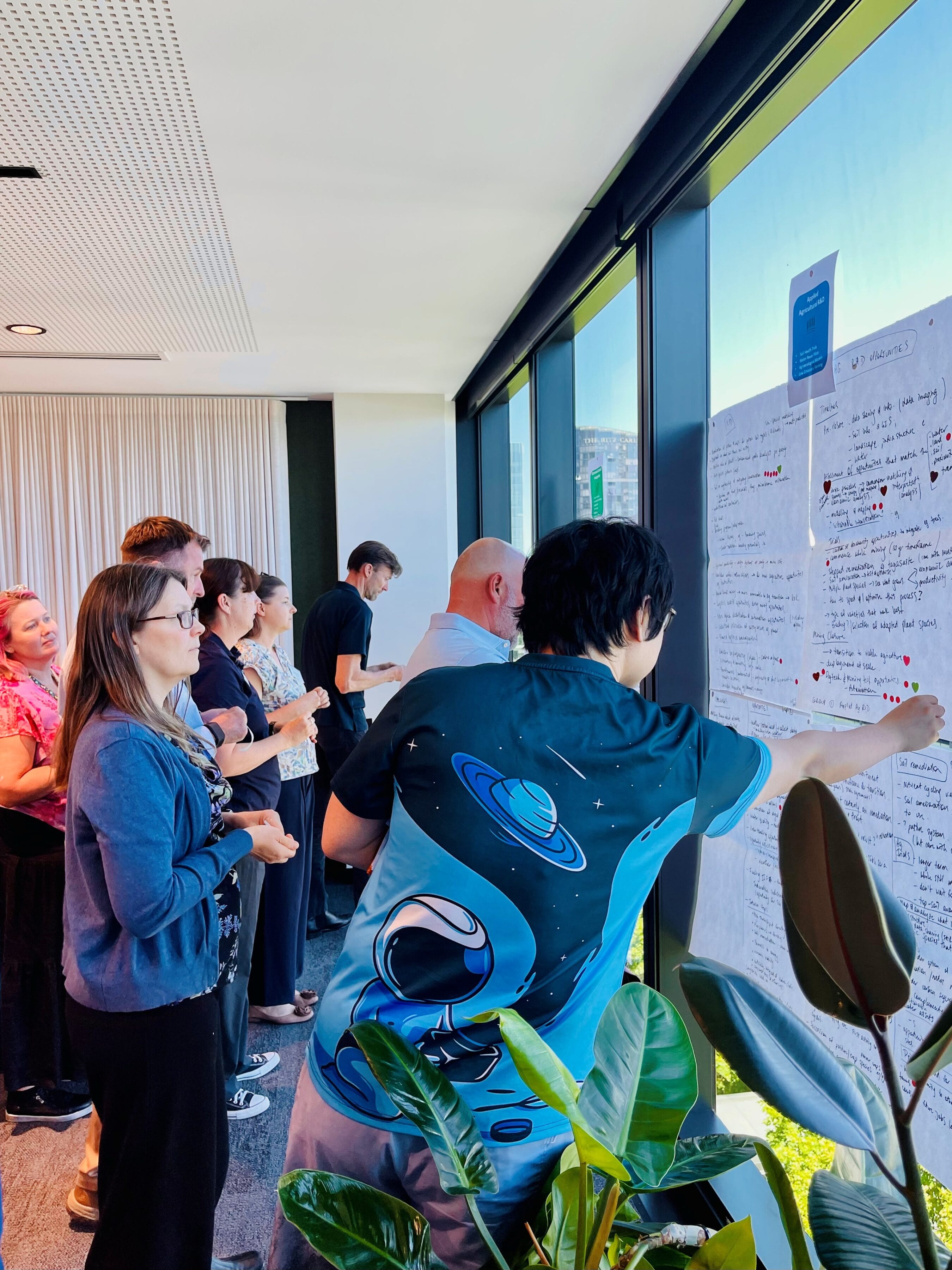
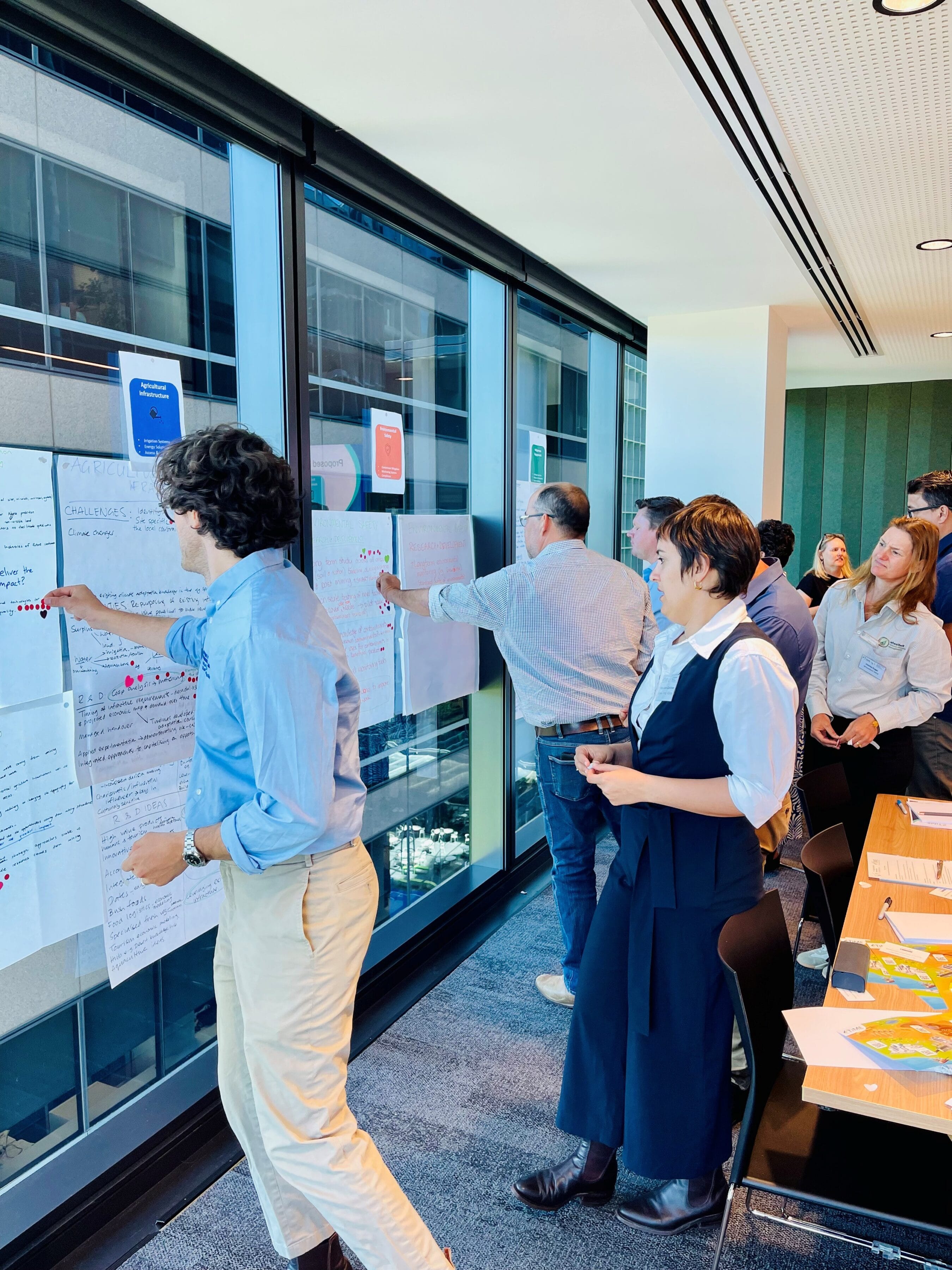
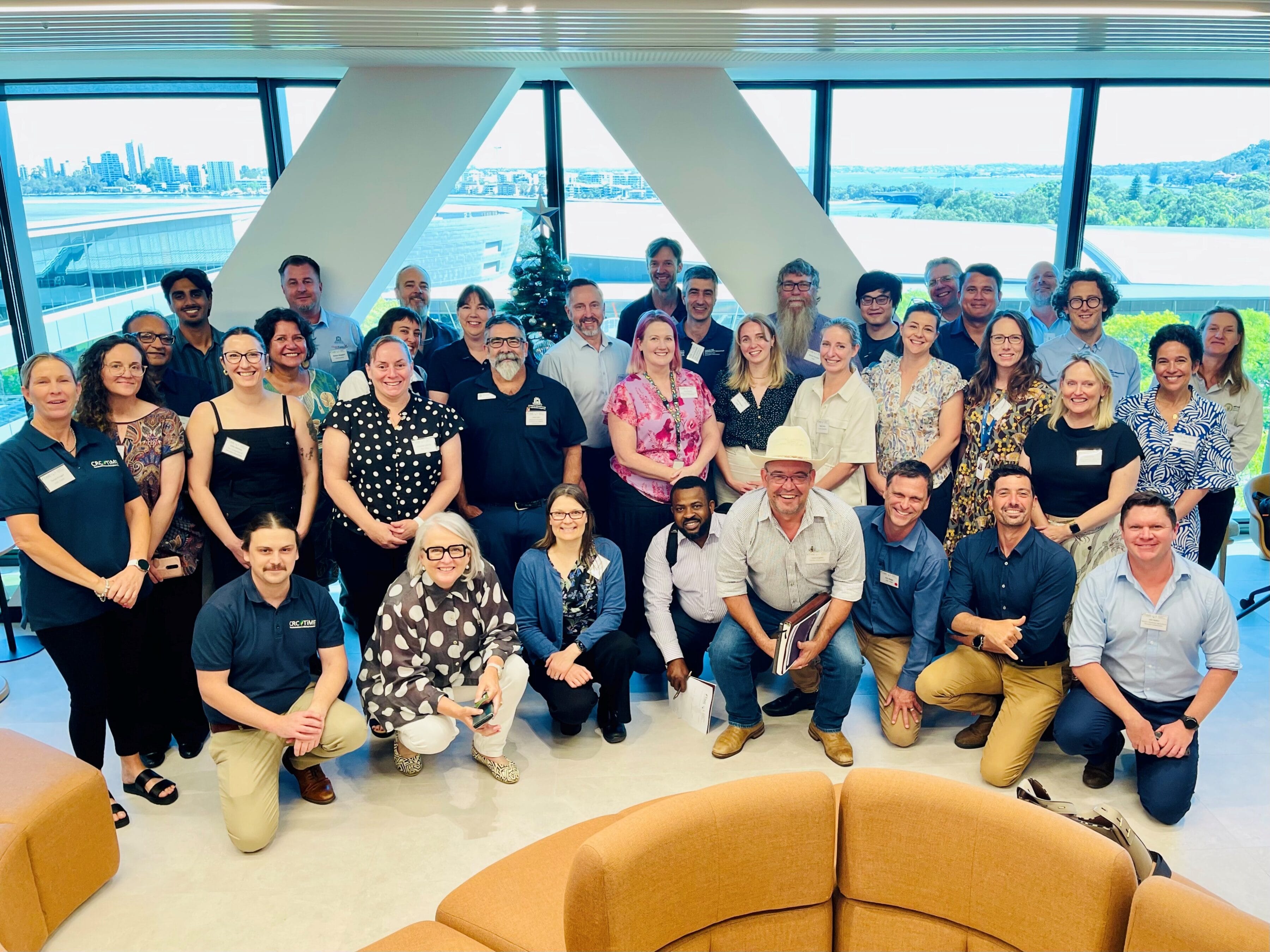
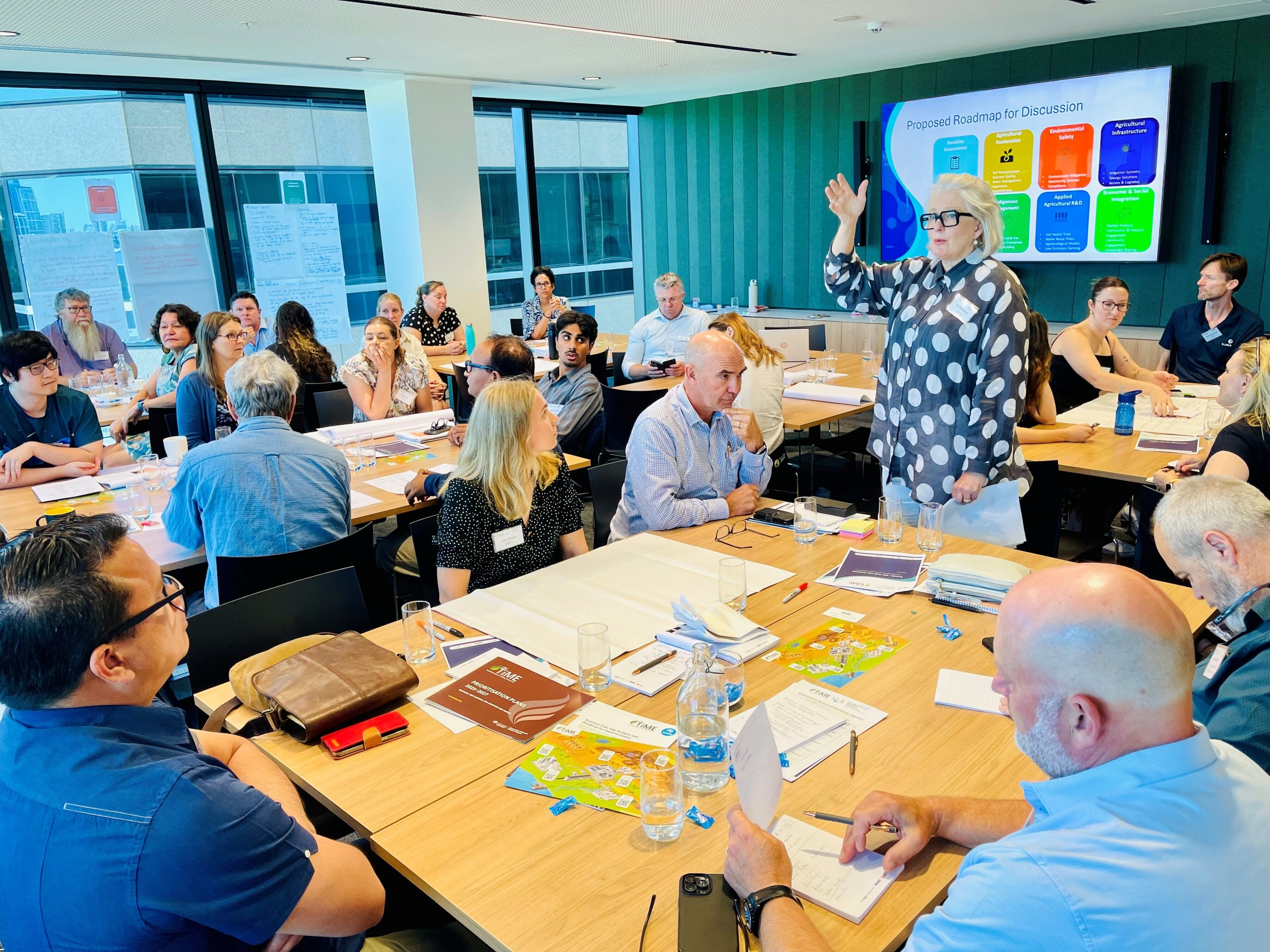
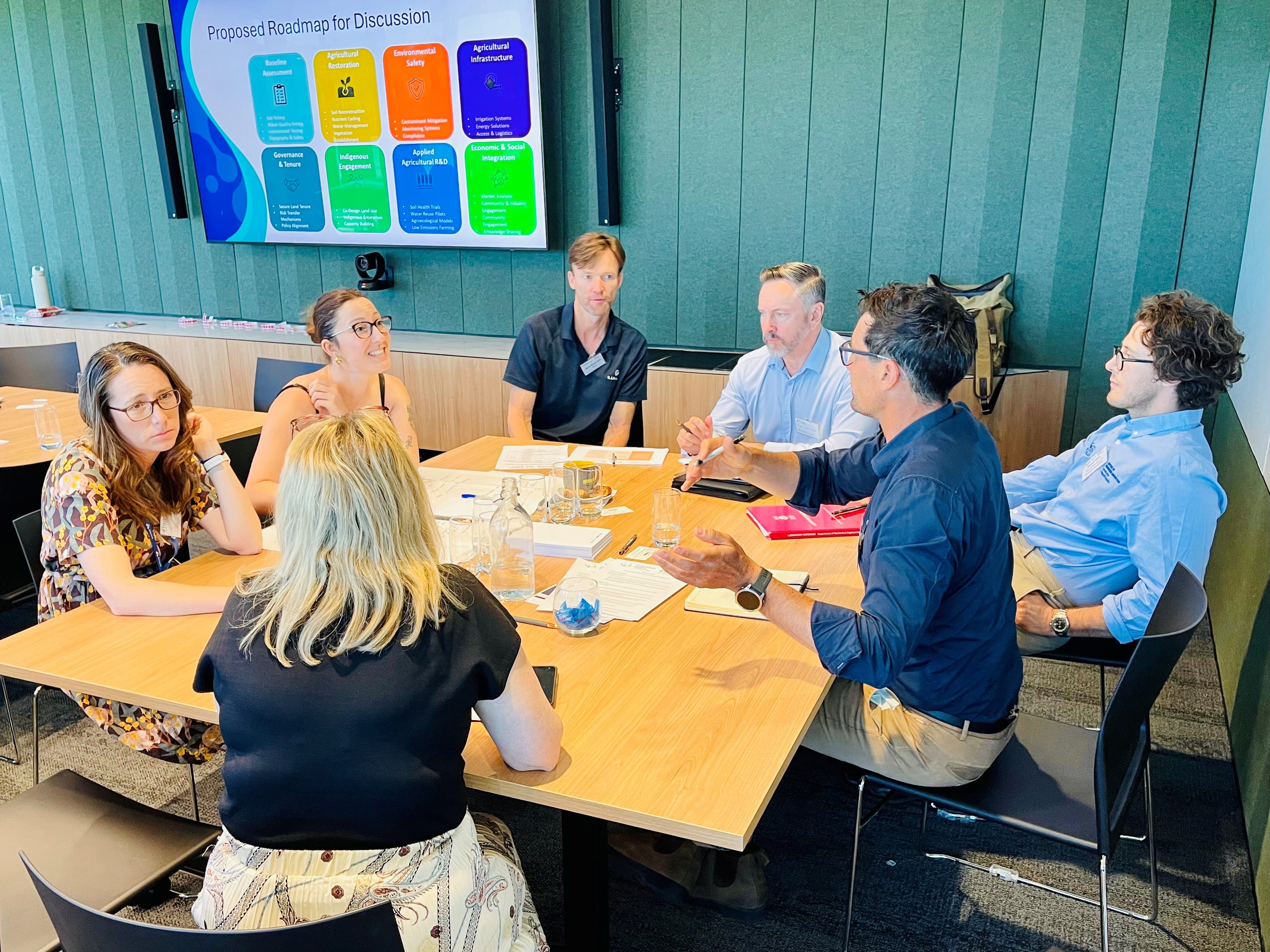
Almost 50 cross-sector leaders and experts came together on 1 December at Perth’s Flame Tree Boardroom with a shared vision: to unlock opportunities for sustainable farming and deliver community benefits after mine closure.
Participants represented a diverse mix of industries and perspectives including mining, agriculture, government, research, education, First Nations, regional development, technology, and environment sectors.
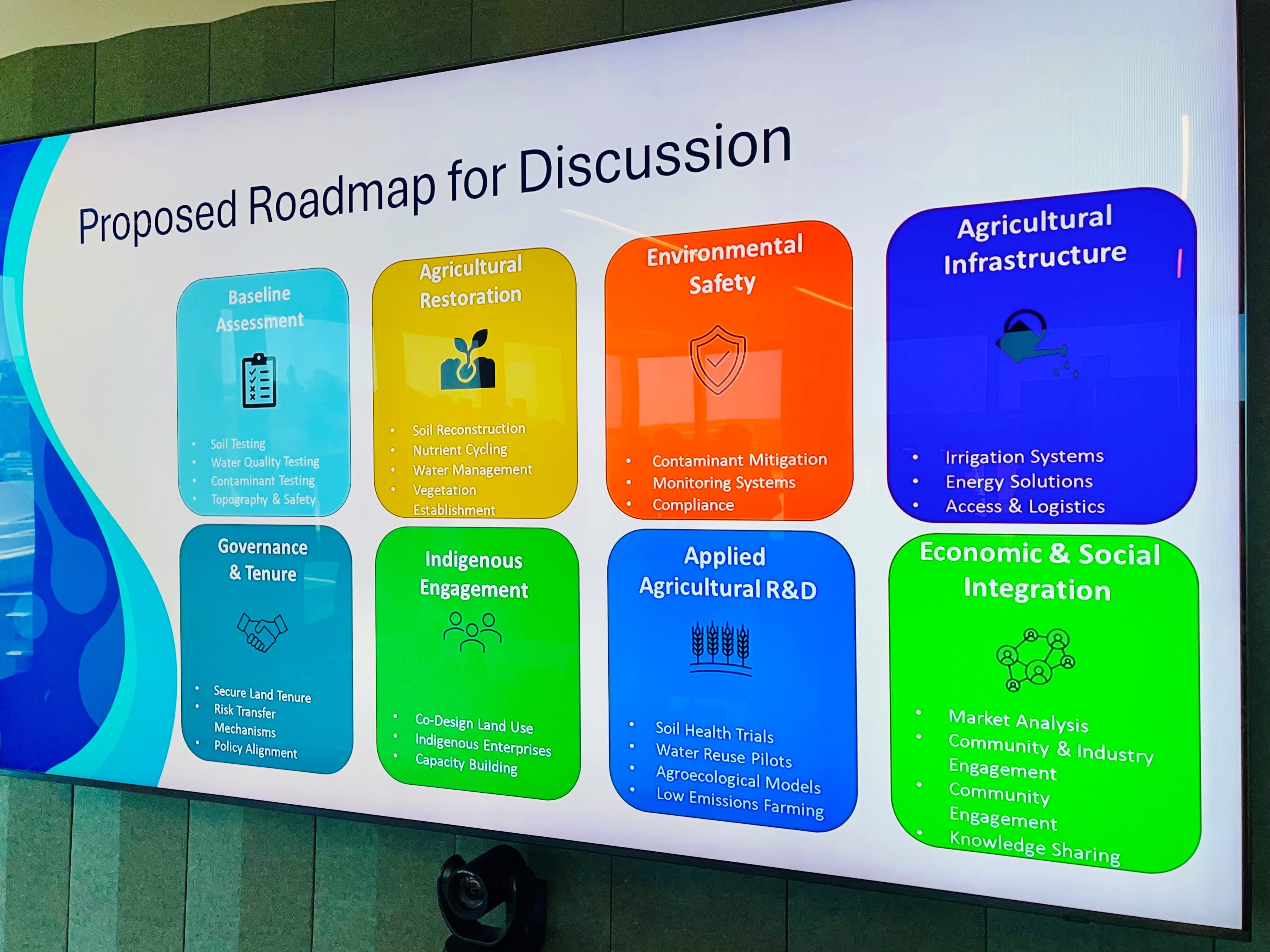
Co-hosted by WAARC in partnership with CRC TiME, the workshop focused on shaping Western Australia’s mine-to-agriculture transition. Discussions explored both the significant opportunities and the systemic changes needed to make these transitions a reality.
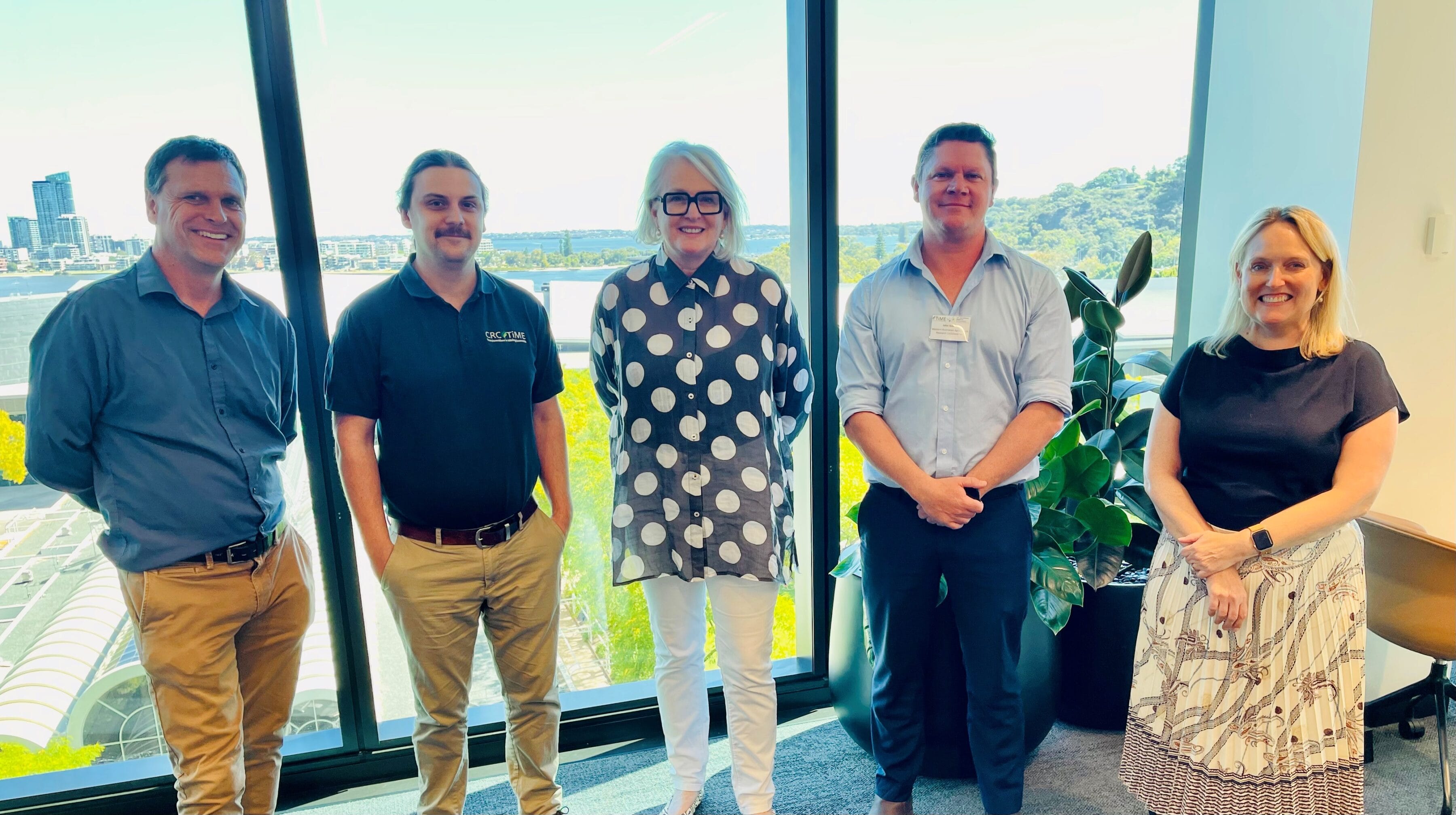
Collaboration driving change
The energy in the room was palpable as participants explored themes of governance, cultural integration, and technical innovation.
Together, they identified six priority areas for transforming WA’s post-mining landscapes into productive farmland:
- Integrated regional transition planning
- Soil and water engineering
- Indigenous co-design
- Pilot demonstration sights
- Eco-geographic modelling
- Long-term environmental monitoring.
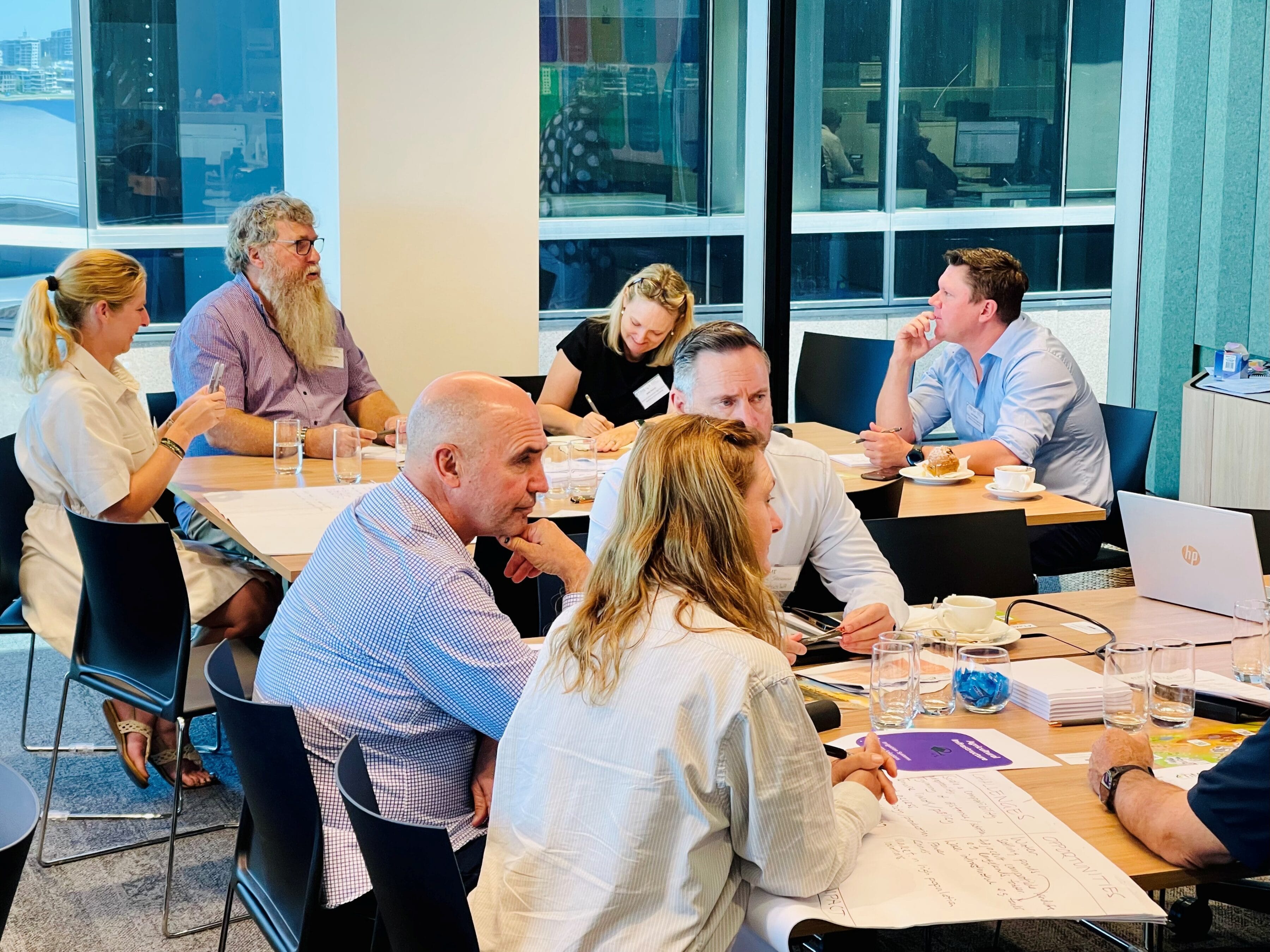
Addressing challenges and opportunities
Participants acknowledged long-standing challenges such as fragmented governance, tenure issues, policy gaps, and overlapping land uses. There were strong calls for clearer transition pathways, improved regional planning capability, and mechanisms to bridge policy gaps.
Economic, social, and cultural integration emerged as critical, and participants highlighted that successful land transition depended on genuine community acceptance and early co-design with Traditional Owners.
Workforce planning, supply chain synergies, and understanding consumer perceptions of produce grown on former mine land were also identified as key considerations.
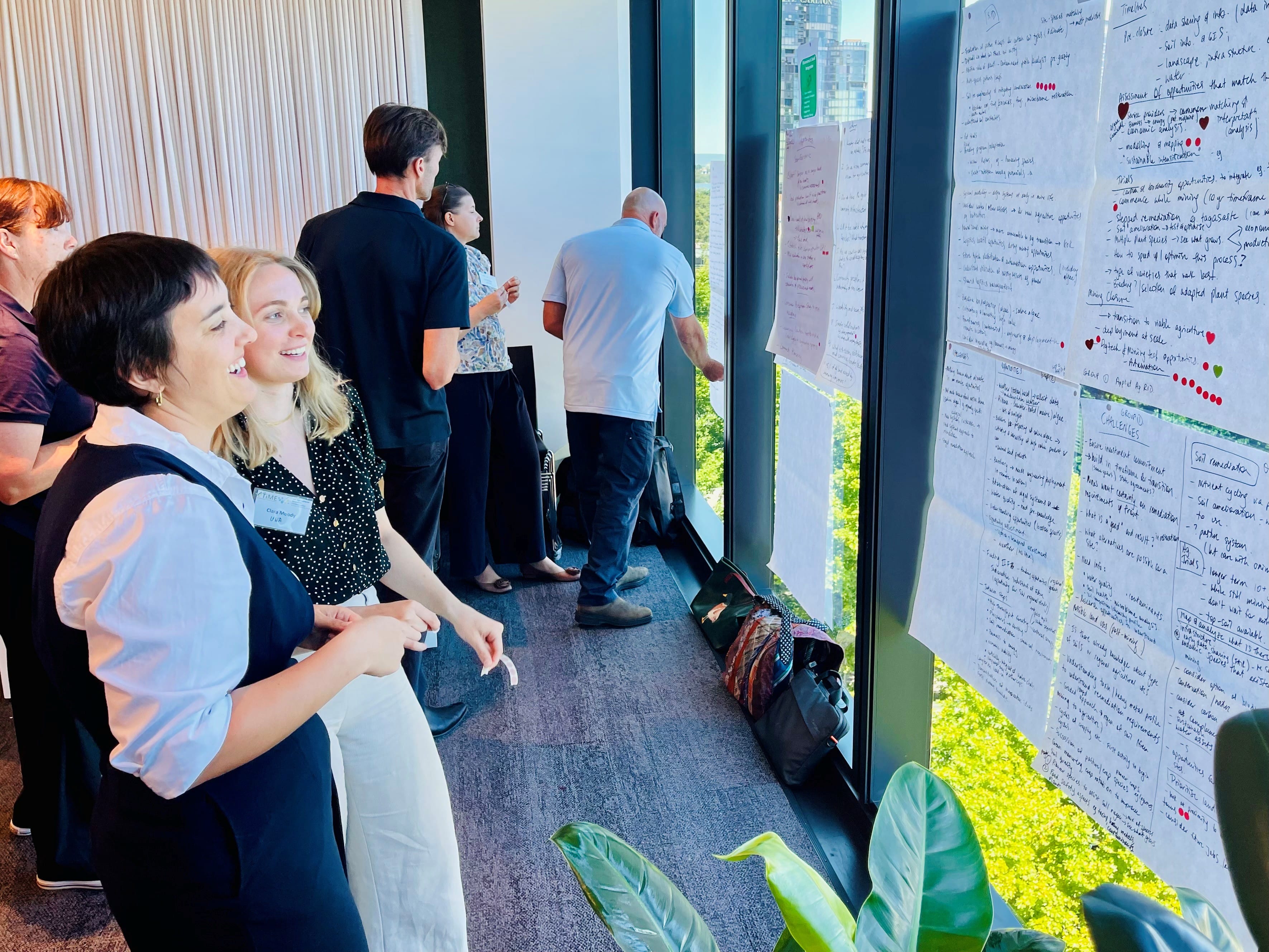
Innovation at the core
Technical innovation was recognised as a cornerstone for success. Priorities included engineered soils and soil improvement, water integration, advanced modelling tools, and stronger baseline data on agronomy and environmental conditions.
Demonstration sites in the South West and Pilbara regions of WA were seen as vital for building trust, proving feasibility, and guiding investment.
The workshop also explored opportunities to repurpose mining infrastructure, implement smart monitoring systems, and share technologies between mining and agriculture.
Participants agreed that long-term environmental monitoring and culturally informed decision-making must underpin future land use.
Next steps
Insights from the workshop will guide a coordinated research agenda and practical steps toward safe, viable, and community-supported post-mining agricultural futures in Western Australia.
WAARC extends its sincere thanks to CRC TiME for their partnership in delivering this future-focused event, and to all participants for sharing their invaluable perspectives that shaped six priority areas for action.
This strong cross-sector collaboration has created momentum for change – achieving outcomes neither mining nor agriculture could have reached alone. Together, we are building the foundations for WA’s sustainable future.
A detailed report capturing these outcomes will be shared with stakeholders early in 2026.