


Every fortnight, the WA Agricultural Scientist Spotlight shares the stories of the people helping shape Western Australia’s agricultural future, highlighting their career journeys, research achievements and the ideas driving progress across the sector.
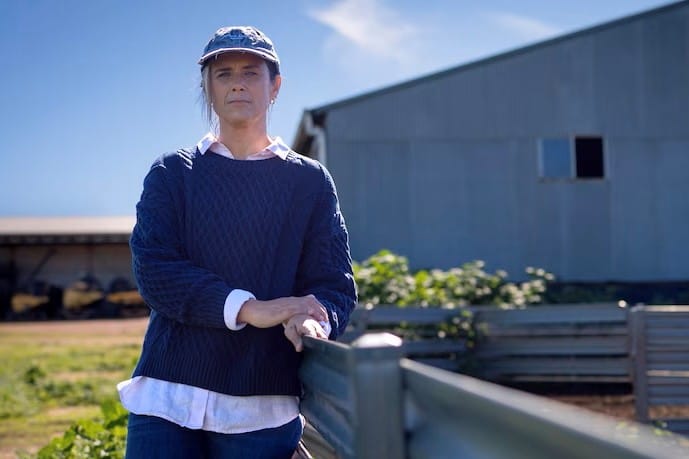
This edition features Dr Serina Hancock, Associate Professor of Animal Science at Murdoch University, whose work is dedicated to improving sheep productivity, welfare and resilience within commercial farming systems.
Dr Hancock leads a range of applied research projects focused on how management and environmental factors influence lamb survival and ewe performance, driven by a commitment to producing science that is useful in the paddock, not just on the page.
An unlikely road into agriculture
Dr Hancock’s path into agricultural science was not a straight one, instead it started with an ambition to become a large animal vet.
When the grades required to enter veterinary science directly did not materialise, she enrolled at the University of Melbourne in a Bachelor of Science, intending to transfer after her first year.
“I always had a passion for animals, specifically sheep and cattle, but this was more related to my initial plan of being a vet rather than in agriculture,” Dr Hancock said.
Her path through higher education reflected that uncertainty, eventually leading her to the University of Adelaide to study a Bachelor of Biotechnology.
It was where, in her final year, she discovered animal science units she could enrol in and transferred once again to complete a Bachelor of Agricultural Science.
“One of the units involved us running an experiment and this is where I developed an interest in research and decided to do Honours,” Dr Hancock said.
“My project looked at enhancing immune competence in broiler chickens through nutrition, and from there my passion for research grew.”
She went on to complete a PhD funded by CSIRO and the Cooperative Research Centre for Plant-based Management of Dryland Salinity, where she investigated the effects of high-salt diets in pregnant ewes and the impacts on their offspring.
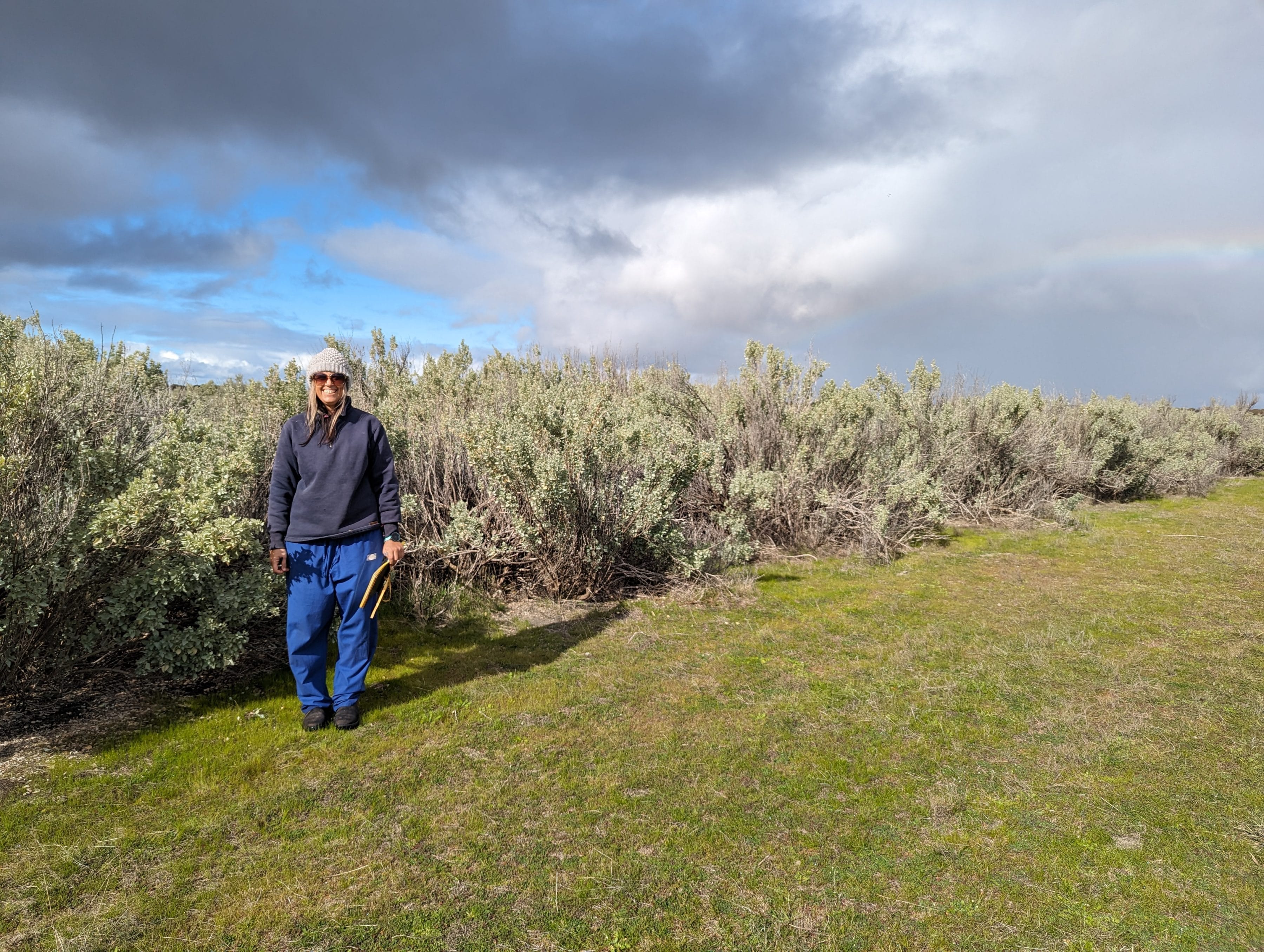
The project was grounded in a real on-farm challenge, with producers grazing pregnant ewes on saltbush to fill the autumn feed gap, however Dr Hancock’s involvement was more fundamental.
“I really wanted to be more of an applied scientist,” she said.
“I wanted to make a difference and help producers by learning from them and what their priorities were.”
After completing her PhD, Dr Hancock took a postdoctoral position at the Liggins Institute at the University of Auckland in New Zealand, where she used sheep as a model for human health research.
The role expanded her technical repertoire considerably, adding surgical techniques, ultrasonography, anaesthesia, biopsies and metabolic challenges to her skill set.
Building a career at the industry interface
Moving to Perth to start a family after her time in New Zealand, Dr Hancock eventually joined what was then the Department of Agriculture and Food Western Australia (DAFWA), where she managed an extension program for sheep.
The Bredwell Fedwell program engaged more than 4000 participants from 2012 to 2019 and achieved an 8-9 per cent change in weaning rates.
In 2012, Dr Hancock’s role evolved into a position at Murdoch University, working within a team led by Professor Andrew Thompson, where she continued to manage Bredwell Fedwell and began taking on research and teaching responsibilities.
“Andrew mentored me in developing applied on-farm research projects, grant proposals and publications, and soon I was managing national projects,” she said.
Her responsibilities expanded steadily, from becoming a Chief Investigator across multiple national programs to coordinating undergraduate units from first to third year.
She currently serves as Academic Chair of Animal Science and Chair of the Animal Ethics Committee at Murdoch University.
Today, as an Associate Professor, the variety that characterised her earlier career remains a constant.
“What I love about my role is that each day can be very different, as can each week,” Dr Hancock said.
“I am still very much on the ground doing research with our PhD candidates, post docs and technical staff.”
Depending on the season and the demands of a given project, she might be on farm once a month or twice a week, while continuing to teach and supervise the next generation of agricultural scientists.
Research that reaches the paddock
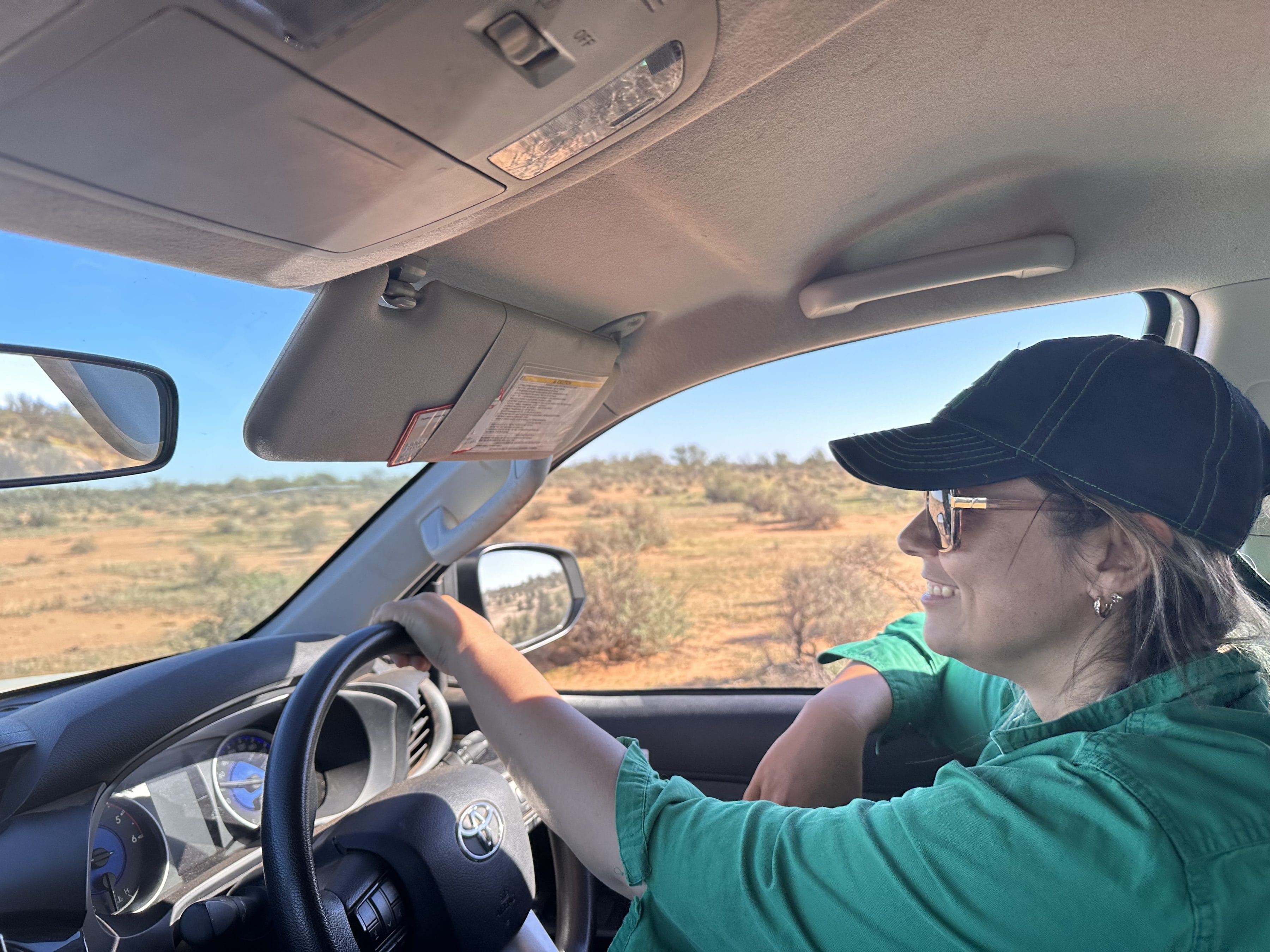
Dr Hancock currently leads a range of research projects focused on improving sheep productivity, welfare and resilience within commercial farming systems.
Recent outcomes include the impacts of reducing mob size at lambing on lamb survival and improving weaning rates, with these guidelines routinely embedded in current sheep reproduction extension programs and advice given nationally to producers.
Her current projects span edible shelter systems and lamb survival, heat stress and sheep reproduction, the impact of supplementary feeding on lamb survival, grazing crops for sheep and cattle, and the role of crop height in lamb survival.
She has also recently completed research with colleagues Dr Jason Trompf and Prof Thompson, investigating ewe lamb production systems and reproductive performance.
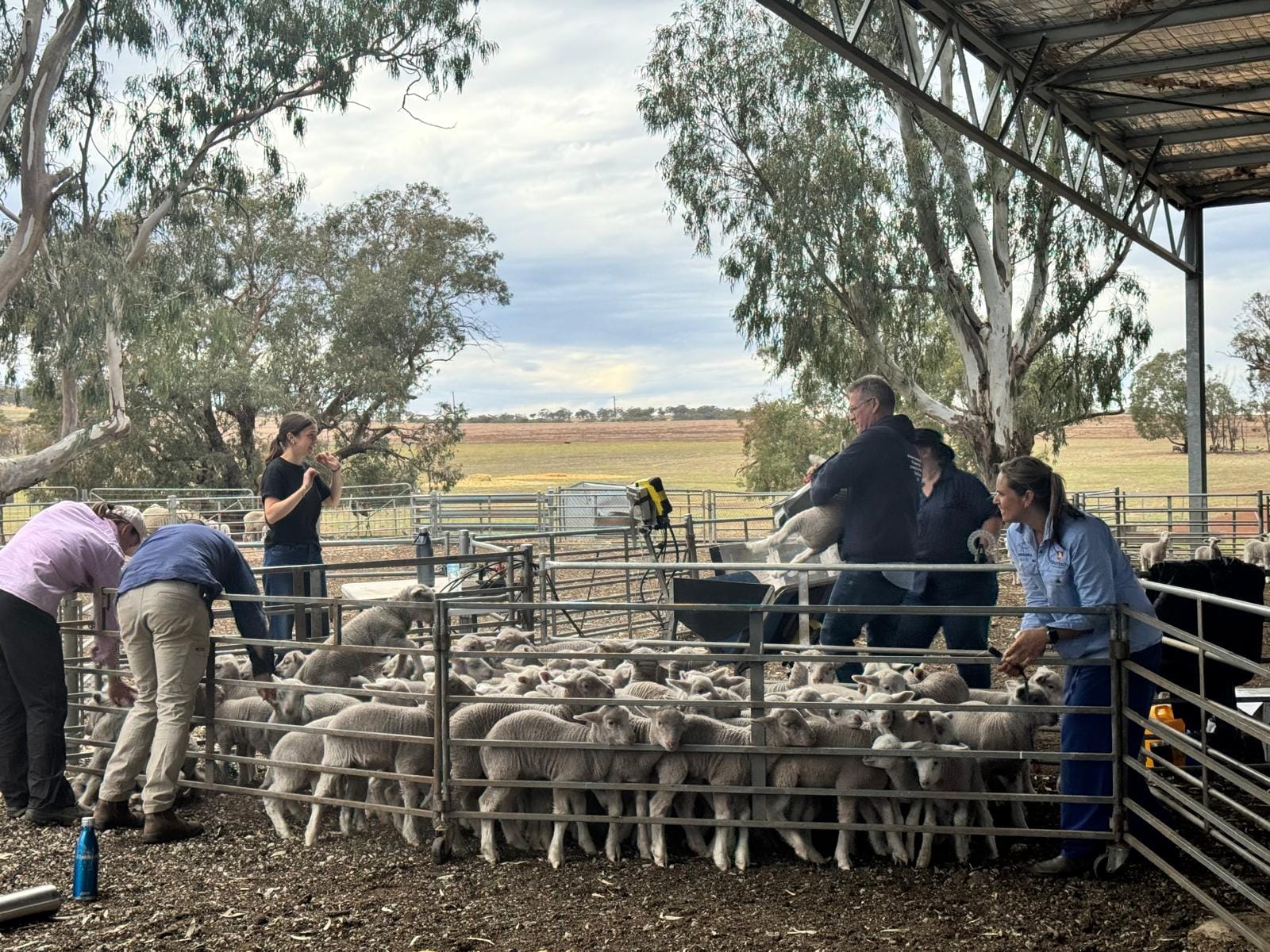
“Sheep producers operate in increasingly variable climatic conditions, and there is a strong need for evidence-based solutions that improve animal welfare, production and farm profitability,” Dr Hancock said.
“I am passionate about conducting research that can be applied on-farm that delivers tangible benefits to the livestock industry.”
A key thread running through her work is the evaluation of different grazing systems, including shrub-based, crop-based and pasture-based approaches, and how these influence nutrition, reproduction, lamb survival and animal behaviour.
The goal is to identify management strategies that deliver both production and welfare benefits while making better use of available feed resources.
While the work is grounded in WA farming systems, Dr Hancock sees its relevance extending well beyond the State’s borders.
“Many of the challenges faced by Australian livestock producers are also being experienced globally, particularly as farming systems adapt to changing climates and increasing production pressures,” she said.
“By generating robust scientific evidence and working closely with industry, I hope to contribute to more productive, sustainable and resilient livestock systems both nationally and internationally.”
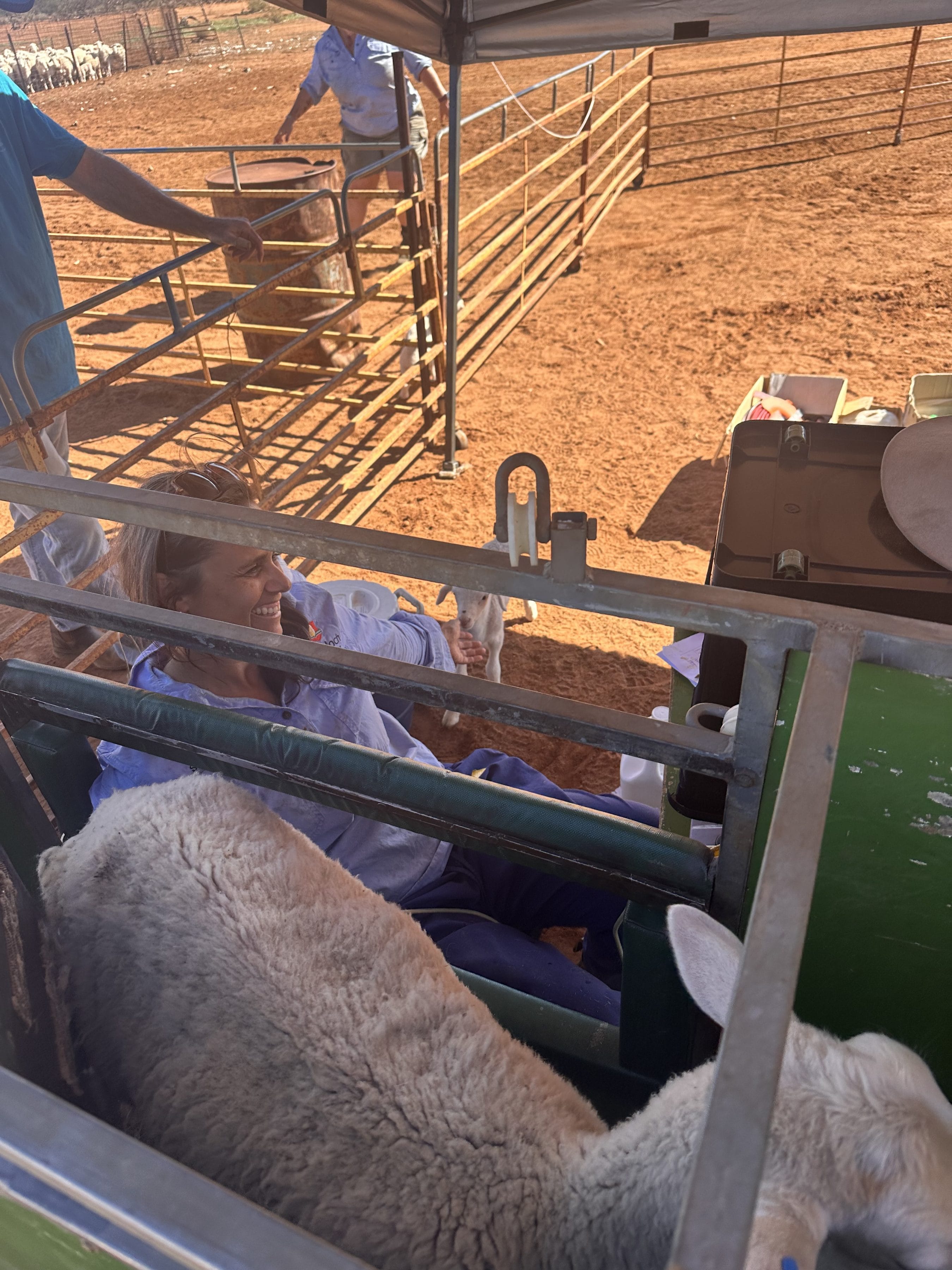
Mentorship, collaboration and the measure of success
Throughout her career, Dr Hancock has invested heavily in the scientists coming up behind her, supervising postgraduate students and fostering the collaborative research culture she benefited from early in her own career.
“Mentoring early-career scientists and seeing their name in headlights makes me extremely proud of the hard work they have put in and to see them recognised for the passion they have for our amazing industry,” she said.
She is also proud of the collaborative relationships she has helped foster across Murdoch University, CSIRO and The University of Western Australia, as well as the team-driven program on the impact of shade and shelter on sheep reproduction and welfare.
That program will produce guidelines for producers covering different shelter options, recommendations for use and expected benefits.
The connection to producers and to the broader industry has been equally central to her sense of purpose.
“It is an absolute privilege to interact and consult with producers on what their priorities are in the sheep industry and to develop research with them that addresses their challenges,” Dr Hancock said.
“I have worked with many producers and consultants over my career and I am always learning.”
For students and early-career scientists, Dr Hancock’s advice is rooted in her own experience of a career that changed direction more than once.
She encourages emerging scientists to resist the pressure to follow a narrow or prescribed path, and to stay open to wherever their curiosity leads.
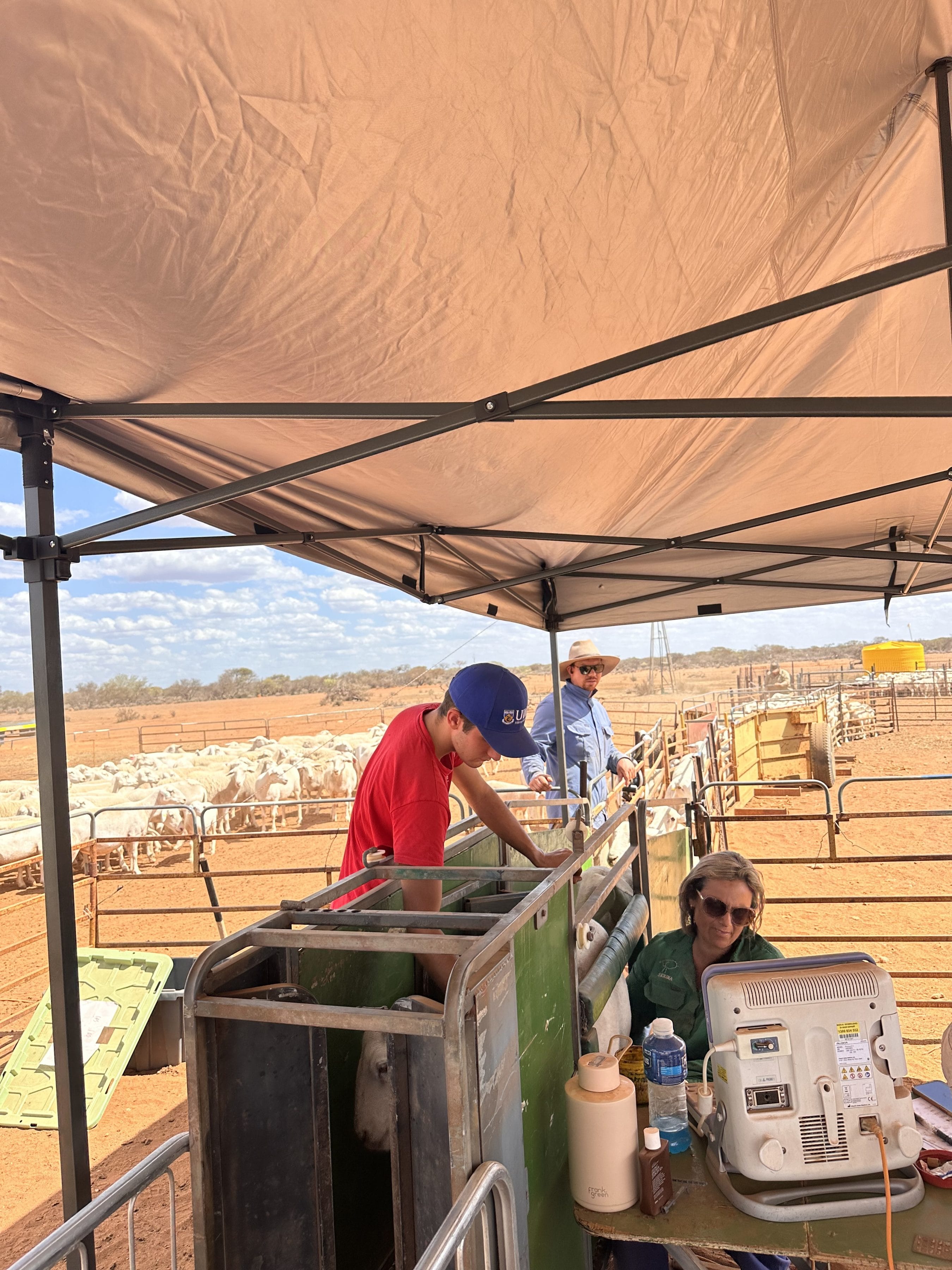
“There are so many opportunities out there and it is ok to try different areas,” she said.
“Find your passion and try whatever opportunities come your way.”
It is advice that reflects a career built on adaptability, curiosity and a genuine commitment to the people and animals at the heart of Australian agriculture.
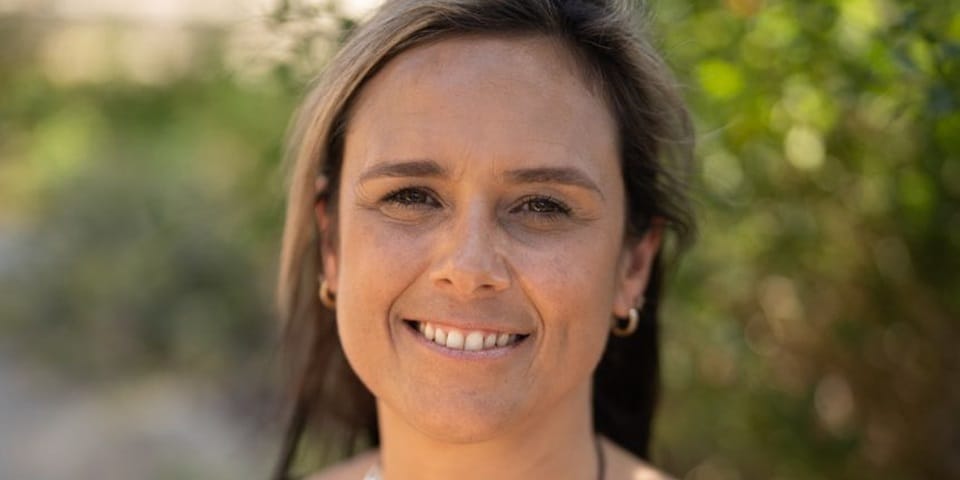
Through the WA Agricultural Scientist Spotlight series, WAARC celebrates the contributions of researchers like Serina Hancock, whose work exemplifies the dedication and innovation needed to advance agricultural science in Western Australia.
By sharing their stories, the series aims to inspire a new generation to pursue careers in this vital field, ensuring the State remains at the forefront of agricultural research and sustainability.