


Every fortnight, the WA Agricultural Scientist Spotlight shares the stories of the people helping shape Western Australia’s agricultural future, highlighting their career journeys, research achievements and the ideas driving progress across the sector.
This edition features Dr Sam Harvie, a Research Associate and Associate Lecturer in the School of Molecular Sciences and the ARC Centre of Excellence in Plant Energy Biology at The University of Western Australia.
Dr Harvie’s research focuses on crop nitrogen science, grain proteomics and how nitrogen management can support more efficient, profitable and sustainable grain production.
A pathway shaped by purpose
Dr Harvie did not begin her career with a fixed plan to work in agriculture.
Her undergraduate degree was in molecular biology and biomedical science, with agriculture becoming a focus as she began to consider where her research could have the greatest real-world application.
“What guided me was a sense of where my science could matter most,” Dr Harvie said.
“During a research project on nitrogen-fixing bacteria, I realised choosing agricultural research could mean improving the lives of billions of people by contributing to more efficient, resilient ways of producing food and feed for a growing global population.”
As her studies progressed, that broad interest in impact became a clearer research direction.
During her Honours at Murdoch University, Dr Harvie continued her work on nitrogen-fixing rhizobia.
“That experience reframed nitrogen for me as a biological and systems problem, not only a fertiliser input problem,” she said.
“It set me on the trajectory toward crop nitrogen science and grain proteomics.”
Her next step came through a PhD project that connected molecular science with applied agricultural research.
When she met Professor Harvey Millar at The University of Western Australia (UWA) while looking for a PhD project, he offered her the opportunity to investigate the influence of nitrogen amount and timing on wheat protein profiles that represent grain nitrogen nutrition.
Also supervised by Dr Katharina Belt and Dr Hui Cao, the project was supported by a Sir Eric Smart Scholarship for agricultural research and a Grains Research and Development Corporation (GRDC) top-up scholarship, giving Dr Harvie the opportunity to undertake applied research connected to industry and growers.

Research grounded in collaboration
Dr Harvie is still early in her post-PhD career, having graduated in November last year.
However, her work already spans research, teaching, collaboration and student support.
Currently, she is a Research Associate and Associate Lecturer in the School of Molecular Sciences and the ARC Centre of Excellence in Plant Energy Biology at UWA.
In her role, she works in collaboration with industry, grower networks, growers and research institutes.
“That collaboration keeps the work grounded in practical nitrogen management and grain quality outcomes under variable Western Australian growing conditions, especially in broadacre cropping,” Dr Harvie said.
A typical week can move between proteomics laboratory work, computational analysis, sample logistics connected to trials, collaboration meetings and teaching coordination.
Dr Harvie also coordinates a master’s level unit in Collecting, Analysing and Interpreting Big Data in Biology, while contributing to teaching, student supervision and community roles.
These include early and mid-career researcher representation in the School of Molecular Sciences and Future Agriculture discipline with the Australian Society of Plant Scientists.
“I thrive on variety,” Dr Harvie said.
“I get restless with endlessly repetitive tasks and this career lets me move across lab work, field work, data analysis, building collaborations, teaching, mentoring and research communication.”
Looking beyond protein percentage
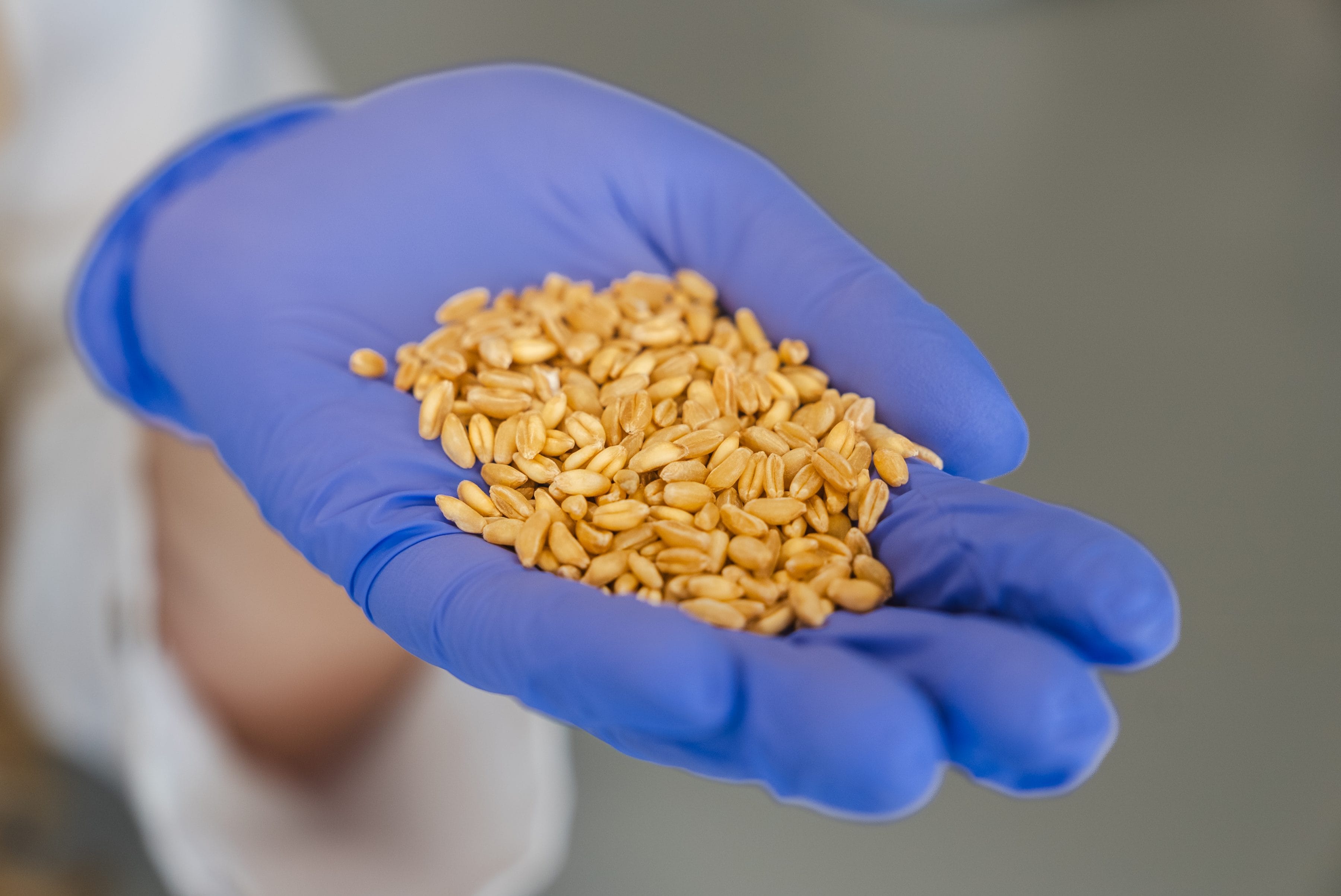
Much of Dr Harvie’s research is focused on how nitrogen management shapes wheat grain biology, particularly grain protein composition beyond a single protein percentage.
Rather than treating grain protein as a single figure, her work investigates more detailed biological responses that could help inform future decision-making.
“My research focuses on how nitrogen management shapes wheat grain biology, particularly grain protein composition beyond a single protein percentage,” Dr Harvie said.
“I’m working to build evidence that management practices and environmental conditions leave interpretable signatures in the grain proteome.
“These signatures could eventually support more precise nitrogen decisions to optimise both grain quality and yield for specific market requirements.”
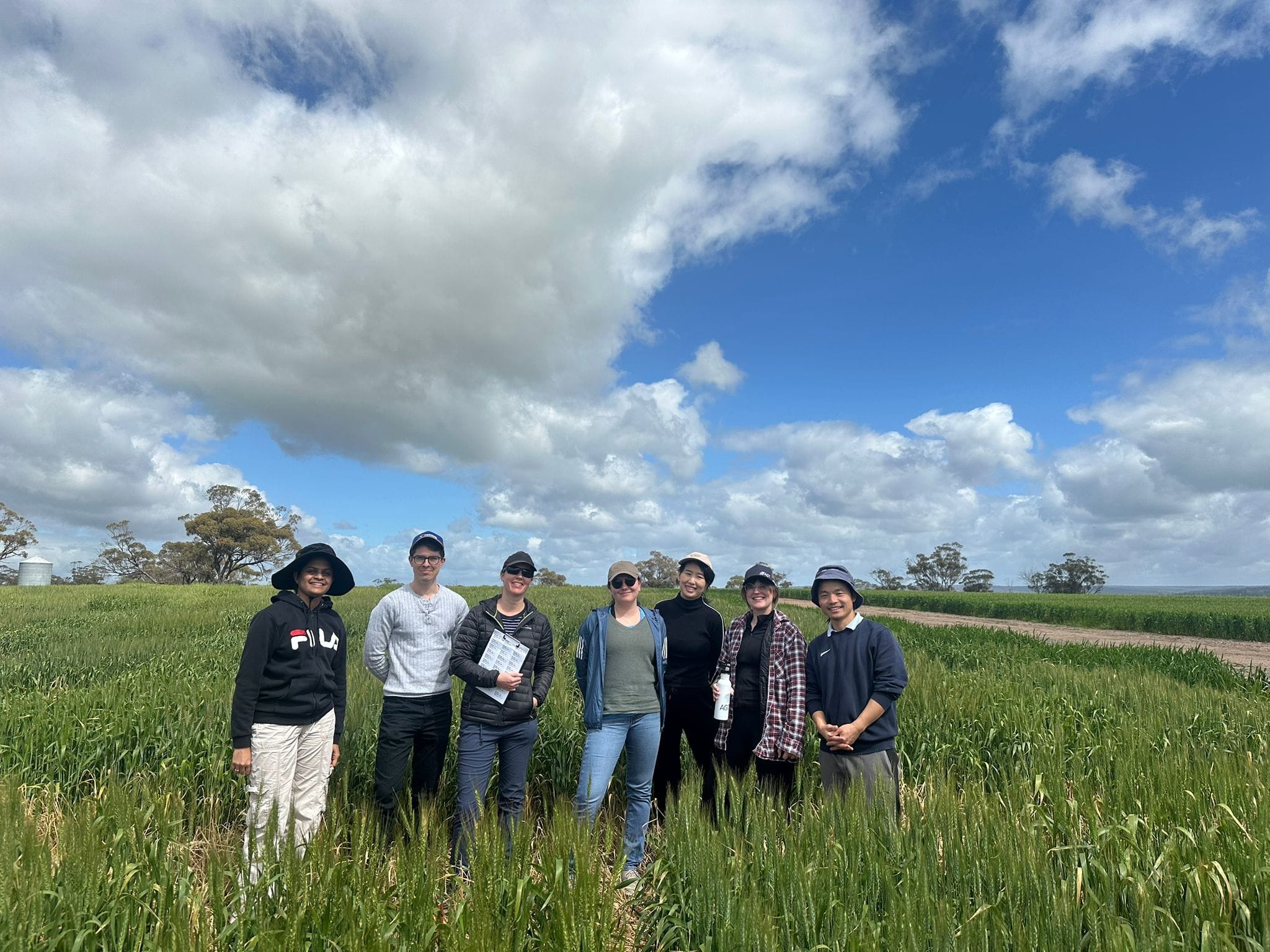
Dr Harvie’s lab group is also involved in a GRDC and WAARC-funded wheat nitrogen-use efficiency project, in collaboration with UWA, Murdoch University, Australian Grain Technologies and the Department of Primary Industries and Regional Development.
The project aims to improve nitrogen-use efficiency to support yield and sustainability for Australian grain farmers.
She is also involved in canola nitrogen-use efficiency work delivered as a GRDC-funded collaboration across UWA’s School of Molecular Sciences, School of Biological Sciences and The UWA Institute of Agriculture.
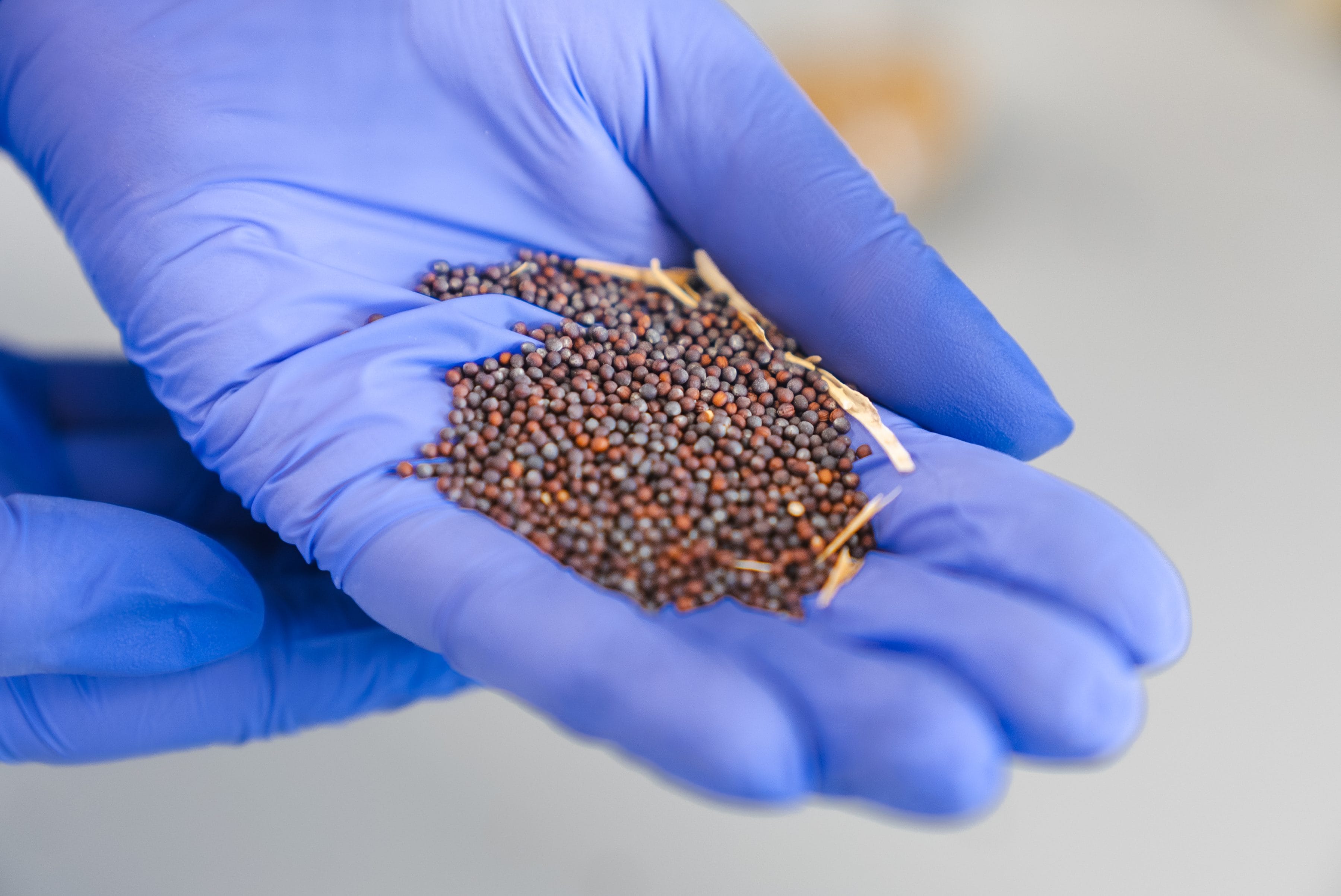
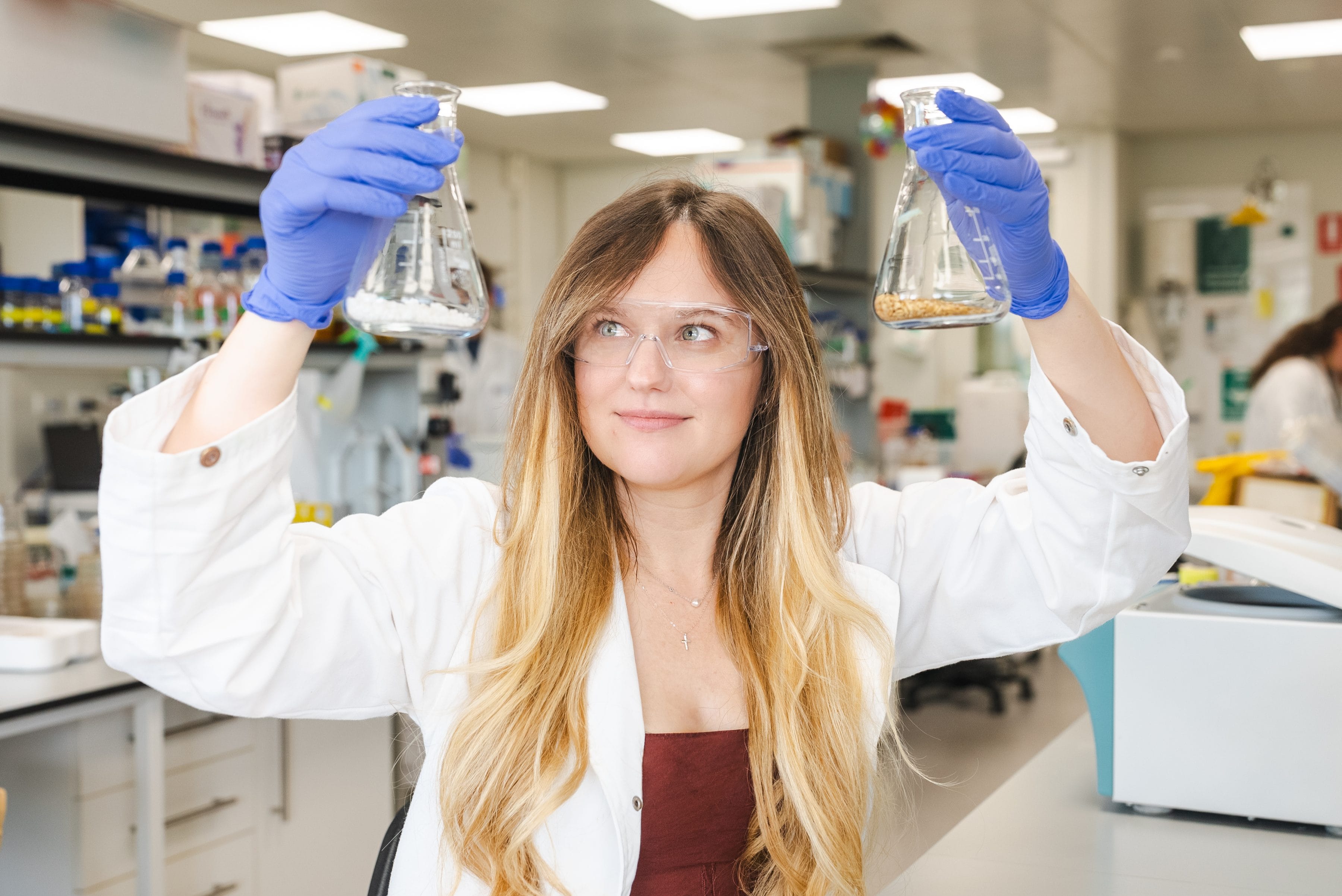
“I’m drawn to this area because nitrogen sits at the intersection of farm profitability, food security and environmental sustainability,” Dr Harvie said.
“If molecular biology and proteomics can help growers target nitrogen more effectively, we can improve nitrogen-use efficiency, reduce risk, and deliver better economic returns, while also minimising unnecessary inputs and environmental impacts.”
Supporting better decisions
For WA grain growers, nitrogen decisions are made in an environment shaped by seasonal variability, market pressures, supply chain issues and broader global uncertainty.
All of which they have to juggle while balancing how far to push nitrogen strategies against risk, profitability and product availability.
Dr Harvie’s overarching aim is to better connect nitrogen science with on-farm decision-making.
“By linking molecular insights with management practices, I hope to provide tools or frameworks that help growers optimise nitrogen use across variable seasons, reducing risk while maintaining both yield and grain quality,” she said.
These challenges are not unique to Western Australia, with improved nitrogen-use efficiency providing broad relevance for food security and environmental sustainability.
“If we can translate detailed biological understanding into practical, scalable decisions, this research can contribute to more resilient and efficient agricultural systems worldwide,” Dr Harvie said.
While Dr Harvie’s research achievements are significant, one of her proudest career moments was also deeply personal.
Having her son, Riley, watch her walk across the stage when she completed her PhD was a milestone that carried meaning beyond the academic achievement.
For students and early-career scientists considering a future in agriculture, Dr Harvie encourages them to engage with farmers and industry early, as well as seek out environments where their values align with the people and the work.
“In my experience, growers are keen to engage with researchers, and these conversations help ground your work in real-world challenges,” she said.
“It’s also important to build a strong support network of mentors and advocates who will give you honest advice and genuinely want you to succeed.
“For me, Professor Harvey Millar, Dr Caitlin Moore and Dr Rowan Maddern have been especially influential in shaping my path.”
That combination of curiosity, connection and support has helped shape Dr Harvie’s own path, and remains central to the advice she gives others.
“Finally, stay curious and follow what genuinely interests you,” she said.
“Agriculture is a diverse field and finding your passion will help sustain you through challenges and open up meaningful opportunities.”
Through her work at the intersection of molecular biology, crop nitrogen science and applied agricultural research, Dr Harvie is helping build a clearer understanding of how nitrogen decisions influence grain quality, productivity and sustainability.
Her career reflects a strong focus on practical impact, collaboration and curiosity, with research that aims to support growers in making more informed decisions under increasingly complex farming conditions.
Through the WA Agricultural Scientist Spotlight series, WAARC celebrates the contributions of researchers like Sam Harvie, whose work exemplifies the dedication and innovation needed to advance agricultural science in Western Australia.
By sharing their stories, the series aims to inspire a new generation to pursue careers in this vital field, ensuring the State remains at the forefront of agricultural research and sustainability.