


Every fortnight, the WA Agricultural Scientist Spotlight shares the stories of the people helping shape Western Australia’s agricultural future, highlighting their career journeys, research achievements and the ideas driving progress across the sector.
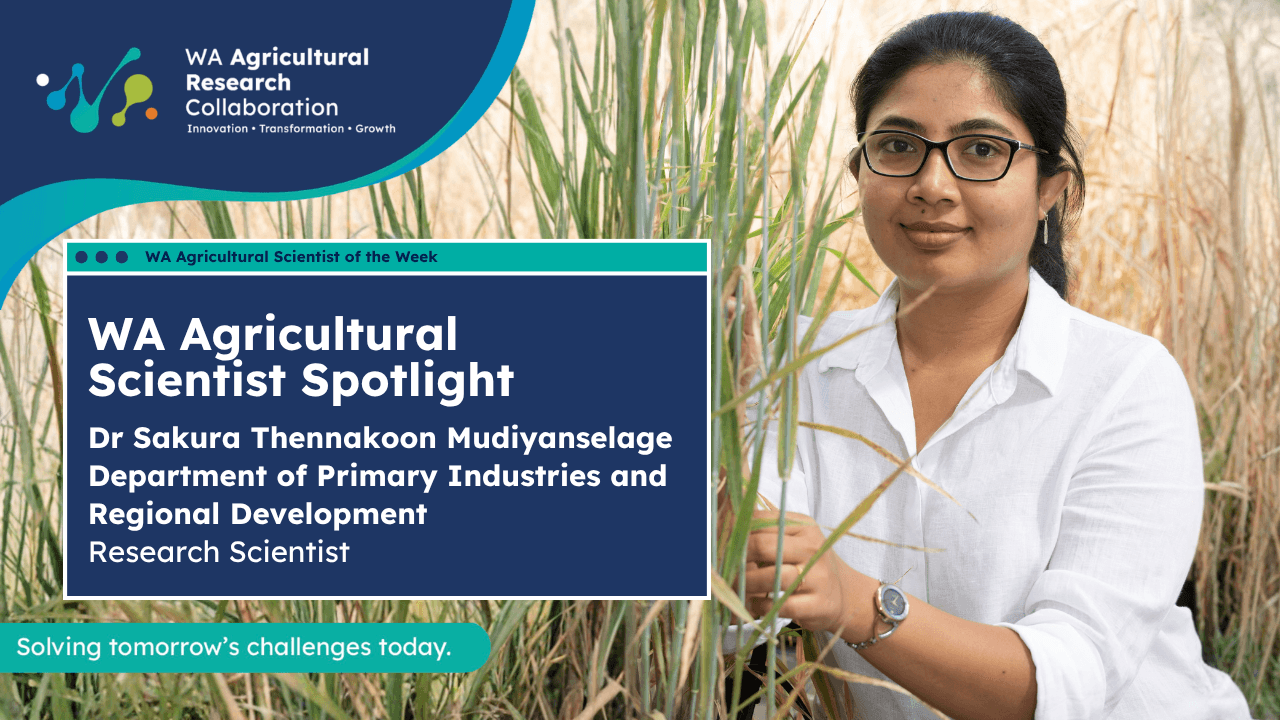
This edition features Dr Sakura Thennakoon Mudiyanselage, a Research Scientist at the Department of Primary Industries and Regional Development (DPIRD), whose career has progressed from plant biology and taxonomy into molecular genetics, functional genomics and crop improvement.
Today, Dr Thennakoon works across barley, oat, lupin, canola and chickpea research, combining laboratory and field science with project management to help develop crops that are more productive, resilient and better adapted to challenging environments.
From plant diversity to crop genetics
Dr Thennakoon’s interest in agricultural science developed gradually over time, rather than being something she had always planned.
“It developed through my academic journey and my growing appreciation of the importance of crop science in addressing global challenges such as food security, climate change and sustainable production,” Dr Thennakoon said.
She completed a Bachelor of Science in Plant Biology in Sri Lanka, building a broad understanding of plant science before turning her attention to genetics.
Her Honours research focused on plant taxonomy and combined plant classification with chemistry and molecular genetics.
Although taxonomy remained the central focus, the project gave her an introduction to molecular techniques and raised new questions about the genetics behind valuable plant traits.
“That experience made me realise that I wanted to explore genetics in greater depth and understand how it could be applied to address challenges in agriculture,” she said.
Pursuing further studies in molecular genetics was the natural next step, which ultimately led Dr Thennakoon to Murdoch University in 2018, where she undertook a PhD with Western Crop Genetics Alliance and began her research career in crop genetics.
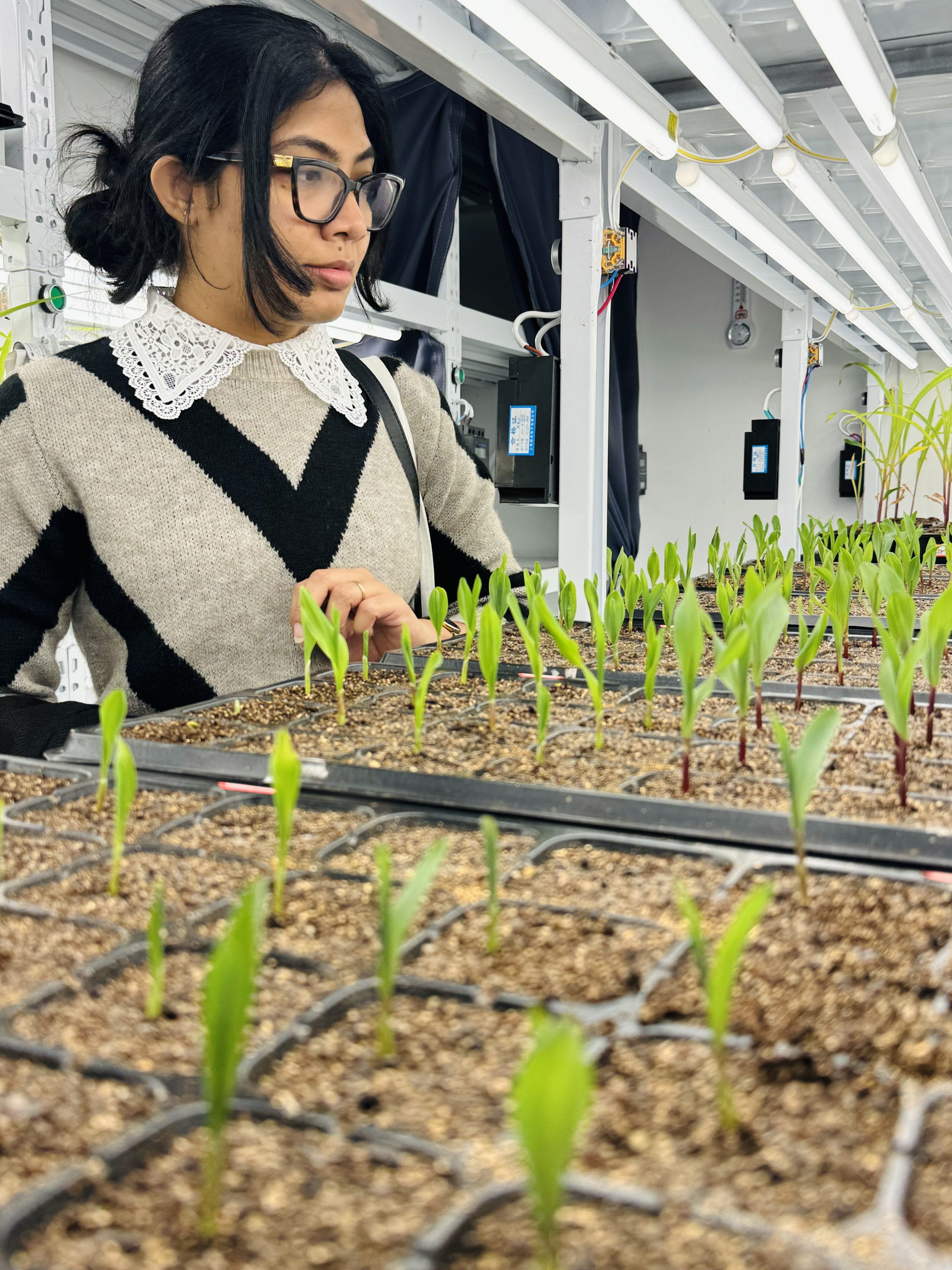
Her PhD research focused on the genetic improvement of nitrogen use efficiency (NUE) in barley, where she investigated genes controlling NUE and applied cutting-edge technologies to better understand their function.
The project encompassed a diverse range of research areas, including genome-wide association mapping, candidate gene identification, molecular marker development, hydroponics, tissue culture, genotyping and CRISPR/Cas9 gene editing.
“This experience strengthened my expertise in molecular genetics, functional genomics and crop improvement,” Dr Thennakoon said.
“The more I learned about the power of genetics to unlock valuable traits, the more passionate I became about applying these tools to crop improvement.”
Building experience across crops
Before moving to Australia, Dr Thennakoon began her professional career as a Plant Biology lecturer at the University of Sri Jayewardenepura in Sri Lanka, where she developed experience in teaching, mentoring and communicating science.
Completing her PhD expanded her research capabilities and introduced her to a broader crop genetics community.
After completing the degree, she remained at Murdoch University as a postdoctoral researcher, where her work extended into lupins, chickpeas and oats and included the use of virus-induced gene silencing to investigate gene function in crops.
“One of the experiences that has contributed significantly to my professional growth has been co-leading a barley project aimed at combining the best traits for improved nitrogen use efficiency, funded by the Council of Grain Grower Organisations (COGGO)” she said.
Dr Thennakoon now manages research projects and leads a technical team at DPIRD, coordinating activities across partner organisations and ensuring project milestones and reporting requirements are met.
She also co-supervises PhD students, sharing practical research experience while supporting the development of emerging agricultural scientists.
“My work combines research, project management, laboratory work and industry engagement, so there is always a good mix of activities,” she said.
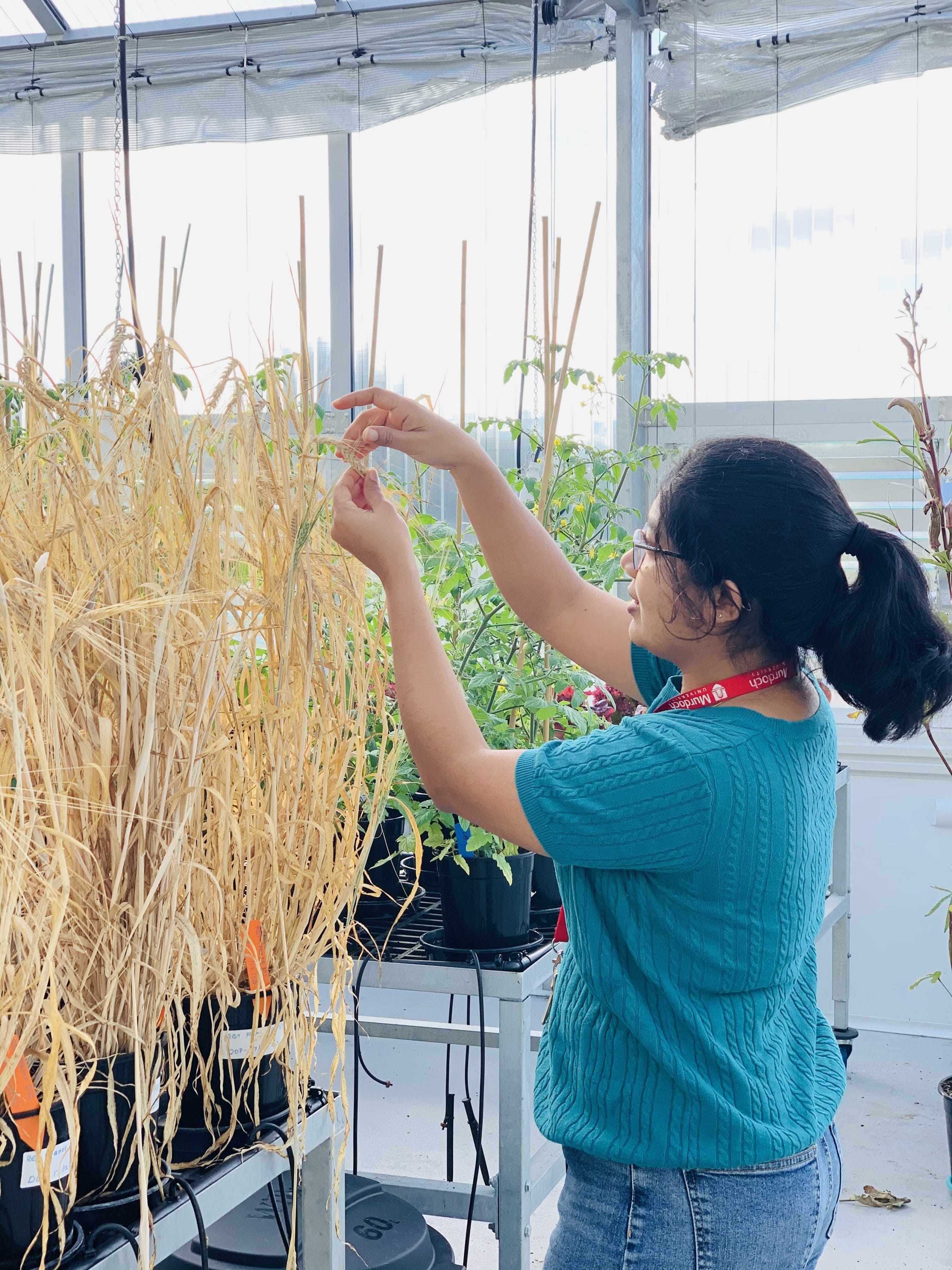
“Some days are spent in the field, visiting trial sites, assessing crop performance and working with senior research scientists.
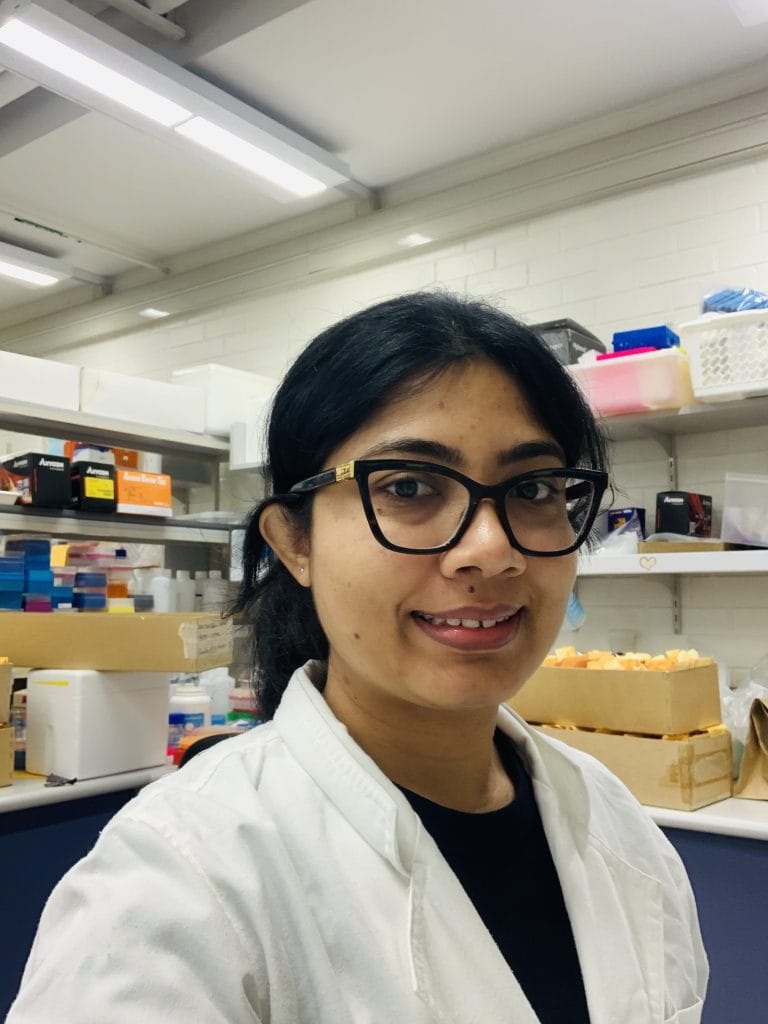
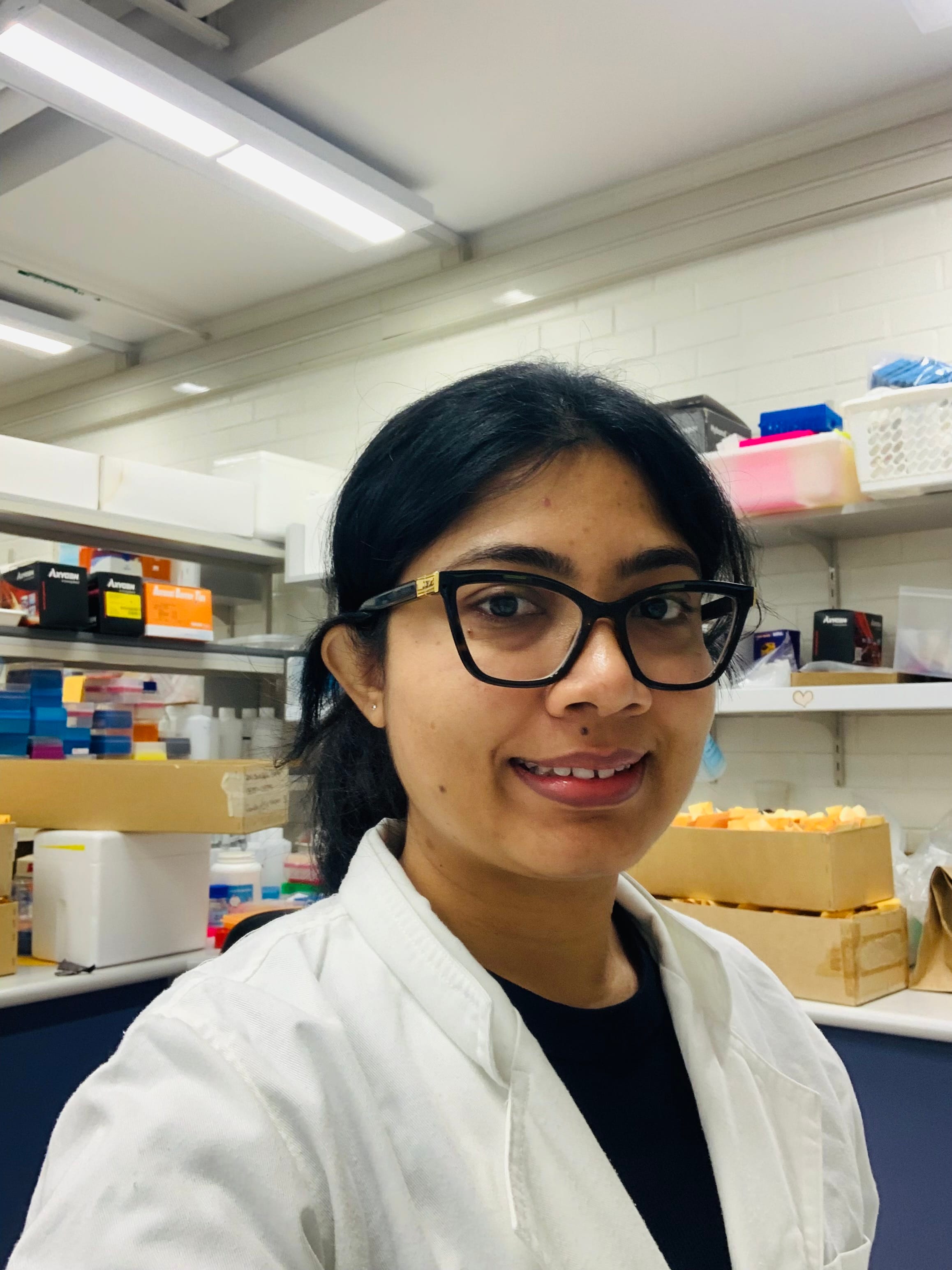
“Other days are focused on the laboratory, where I carry out molecular work to identify valuable traits for crop improvement.”
Targeting disease, soils and seed quality
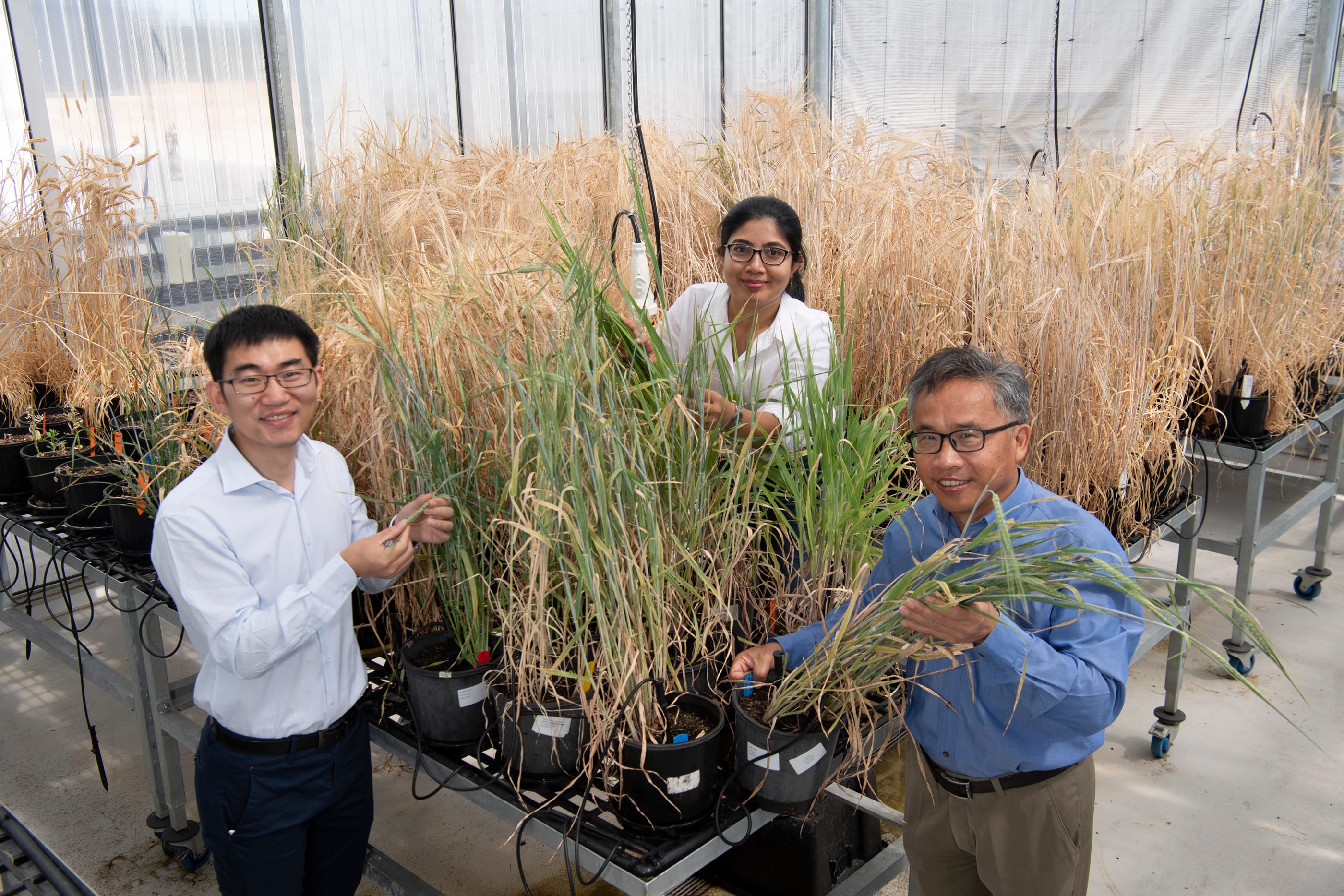
One of Dr Thennakoon’s main areas of work is a lupin disease project funded by the WA Agricultural Research Collaboration (WAARC) and the Grains Research and Development Corporation (GRDC).
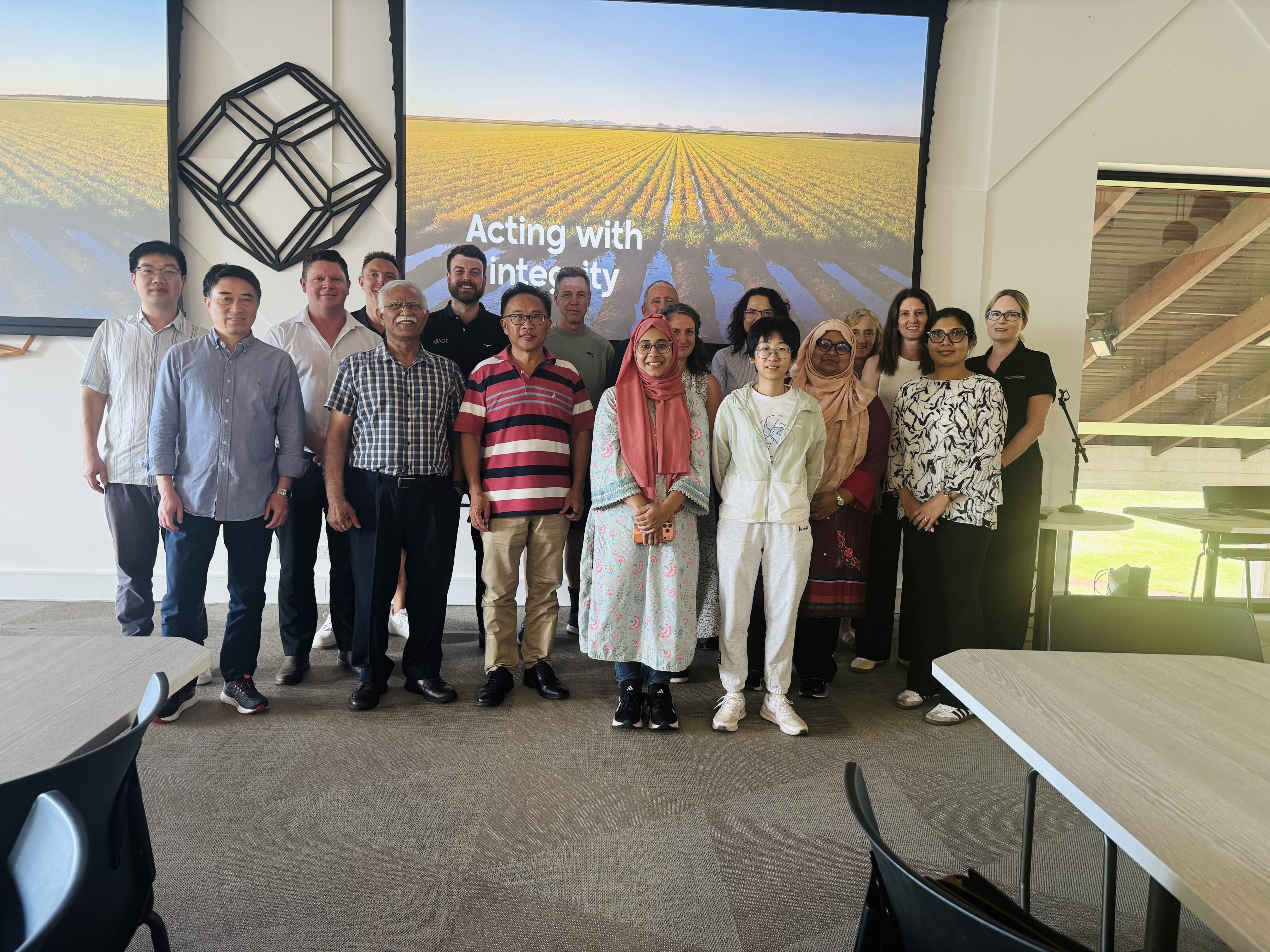
The project brings together scientists from DPIRD, Murdoch University and Curtin University, alongside breeders from Australia Grain Technologies (AGT), to investigate four major diseases affecting lupin production – phomopsis, cucumber mosaic virus, anthracnose and sclerotinia.
“Our goal is to better understand the disease resistances and genetics behind them and develop improved germplasm that help growers minimise yield losses and produce more resilient crops,” Dr Thennakoon said.
She is also involved in a GRDC-funded chickpea acid soil tolerance project evaluating chickpea performance through field trials in WA and interstate.
Her technical team at DPIRD plays a significant role in conducting the WA trials under acidic soil conditions, working in collaboration with Murdoch University.
“This research aims to identify varieties and traits that enable chickpeas to perform better in challenging soil environments, helping to expand production opportunities and improve crop reliability,” she said.
A further project involving DPIRD, Murdoch University, CSIRO and AGT is investigating the alkaloid levels of lupins.
Alkaloids provide plants with a natural defence against pests, but high concentrations in the seed reduce its value for food and feed because of their anti-nutritional properties.
“Our research aims to reduce alkaloid levels in the seed while maintaining high alkaloid concentrations in the vegetative tissues,” Dr Thennakoon said.
Although these projects address different crops and production constraints, each draws on genetics and field research to identify traits that can support crop improvement.
Building resilience through research
Dr Thennakoon’s research contributes to the development of improved crop varieties that can support sustainable agriculture in WA and beyond.
“By identifying and validating important genes and developing tools for crop improvement, we can help breeders accelerate the development of varieties with improved yield, stress tolerance and adaptation to future climates,” she said.
“The most rewarding aspect of being an agricultural scientist is seeing research move beyond the laboratory or trial site and contribute to improved decision-making and outcomes for the agricultural sector and the wider community.”
As an early-career scientist herself, Dr Thennakoon believes agricultural research offers opportunities for people with skills and interests across many scientific disciplines.
Her pathway from taxonomy to molecular genetics, crop improvement and research leadership reflects the value of following new questions and building experience across different areas of science.
“Agriculture is a multidisciplinary field with many opportunities to make a meaningful impact,” she said.
“I encourage students and young scientists to remain curious, embrace challenges and build a strong foundation in both fundamental science and practical applications.
“Most importantly, stay passionate about your research and remember that even small discoveries can contribute to solving larger agricultural challenges.”
From studying plant diversity in Sri Lanka to tackling lupin disease, acidic soils and seed quality in WA, Dr Thennakoon has built a career around turning genetic discovery into better-performing crops.
Her work at DPIRD brings laboratory science into the paddock, helping breeders and growers prepare for the production challenges ahead.
Through the WA Agricultural Scientist Spotlight series, WAARC celebrates the contributions of researchers like Sakura Thennakoon Mudiyanselage, whose work exemplifies the dedication and innovation needed to advance agricultural science in Western Australia.
By sharing their stories, the series aims to inspire a new generation to pursue careers in this vital field, ensuring the State remains at the forefront of agricultural research and sustainability.