
Every fortnight, the WA Agricultural Scientist Spotlight shares the stories of the people behind Western Australia’s agricultural research, not just what they do, but how they got there and why their work matters.
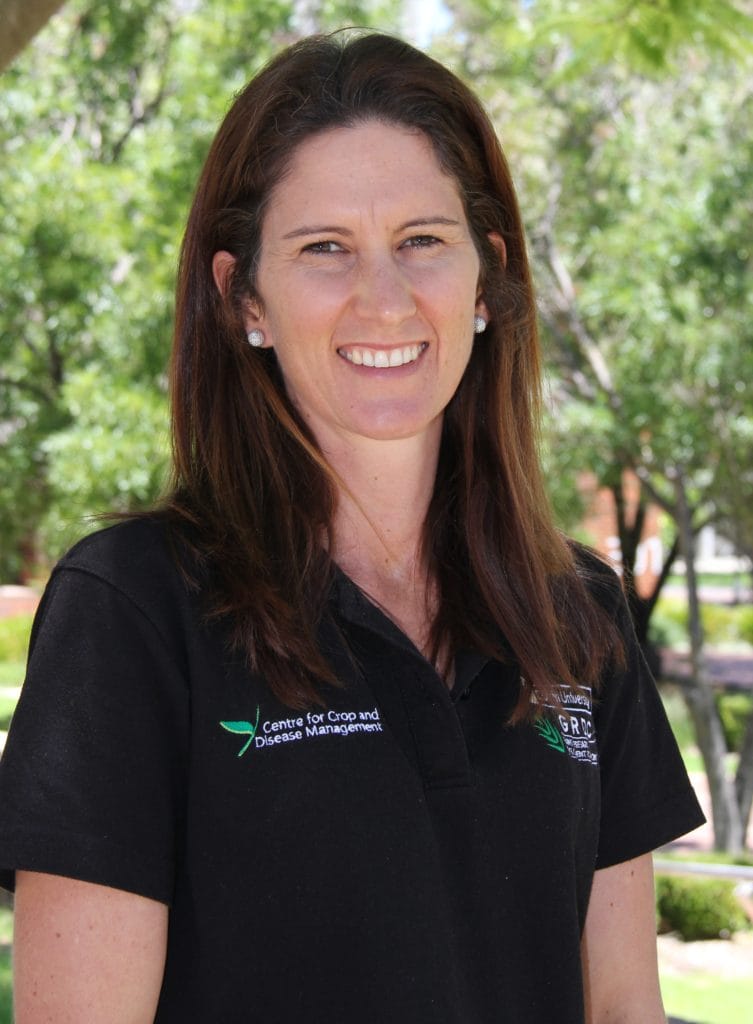
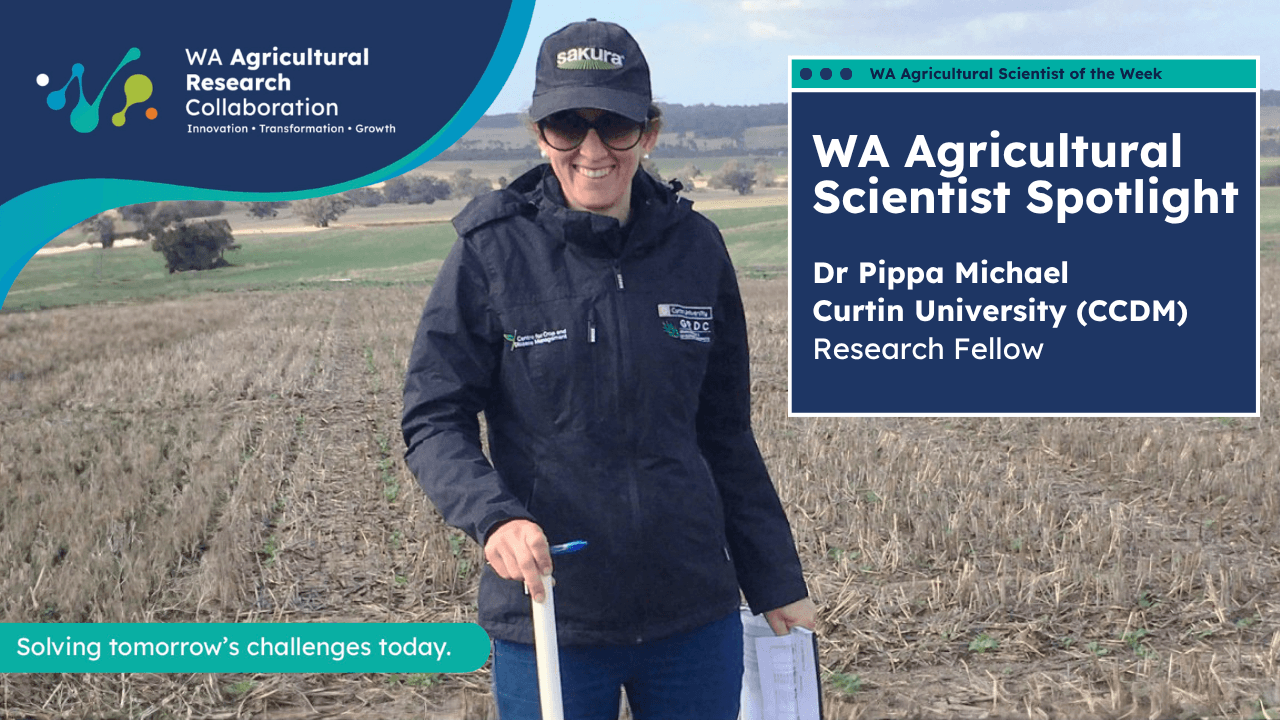
In this edition, we feature Dr Pippa Michael, Research Fellow at the Centre for Crop and Disease Management (CCDM), whose work is focused on one of the more complex and unpredictable challenges in cropping systems – disease.
From early exposure to farming systems in the Wheatbelt through to leading collaborative research projects, her career reflects a consistent thread: understanding biological systems in a way that delivers practical outcomes in the paddock.
A practical foundation shaped by farming systems
Raised on a predominantly grain-growing property in Western Australia’s Central Wheatbelt, Dr Michael was exposed early to the systems that underpin crop production and the variability that defines farming in the region.
“From a young age I was interested in how plants grow and what makes farming systems work, which naturally led me towards agricultural science,” she said.
That early interest in plant systems carried through into her university studies, where she enrolled in an Agricultural Science degree at The University of Western Australia, focusing on plant science.
A key moment came through the Honours research component of her degree, where she was introduced to applied research within a real-world agricultural context through work with the Western Australian Herbicide Resistance Initiative (WAHRI).
Her project focused on seed dormancy in annual ryegrass, one of the most persistent and economically significant weeds in WA farming systems.
“I really enjoyed the research process – from defining the problem and developing the research question, through to designing the experiments, analysing the data and applying and presenting the results to a wide audience,” Dr Michael said.
That experience provided both technical grounding and clarity in direction, leading her to pursue further research through a PhD with WAHRI, funded by the Grains Research and Development Corporation (GRDC), where she examined the agroecology of small-flowered mallow.
Expanding perspective from industry to academia
After completing her PhD, Dr Michael moved into an industry role as a research trials agronomist with Syngenta, gaining experience in how research is applied within commercial farming systems.
The role provided exposure to the practical constraints and decision-making processes that influence on-ground outcomes.
After a year, she later returned to academia through a research and teaching fellowship at Curtin University’s Muresk Institute, where her research began to broaden in scope.
“Over time, my research focus has shifted from weeds to plant diseases, but my work has always focused on pest management in Western Australian farming systems,” she said.
That transition marked a shift in subject matter, but not in purpose, with her work continuing to focus on improving understanding and management of biological constraints in cropping systems.
Now based within CCDM, a national research centre co-funded by Curtin University and GRDC, Dr Michael works as a Research Fellow and contributes to research addressing crop disease challenges.
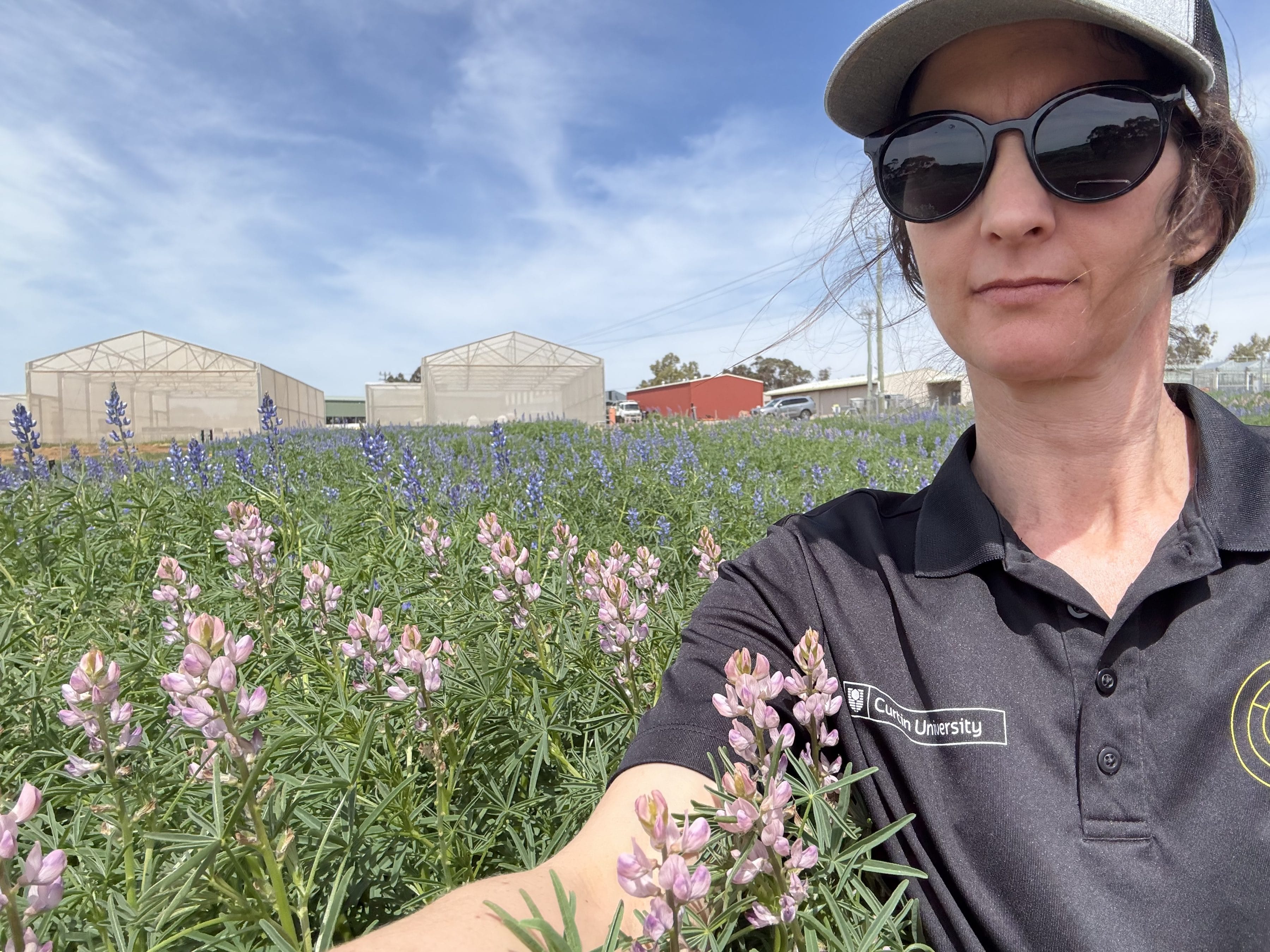
Researching disease under real-world conditions
Her current work sits within disease challenges that are becoming increasingly difficult to manage.
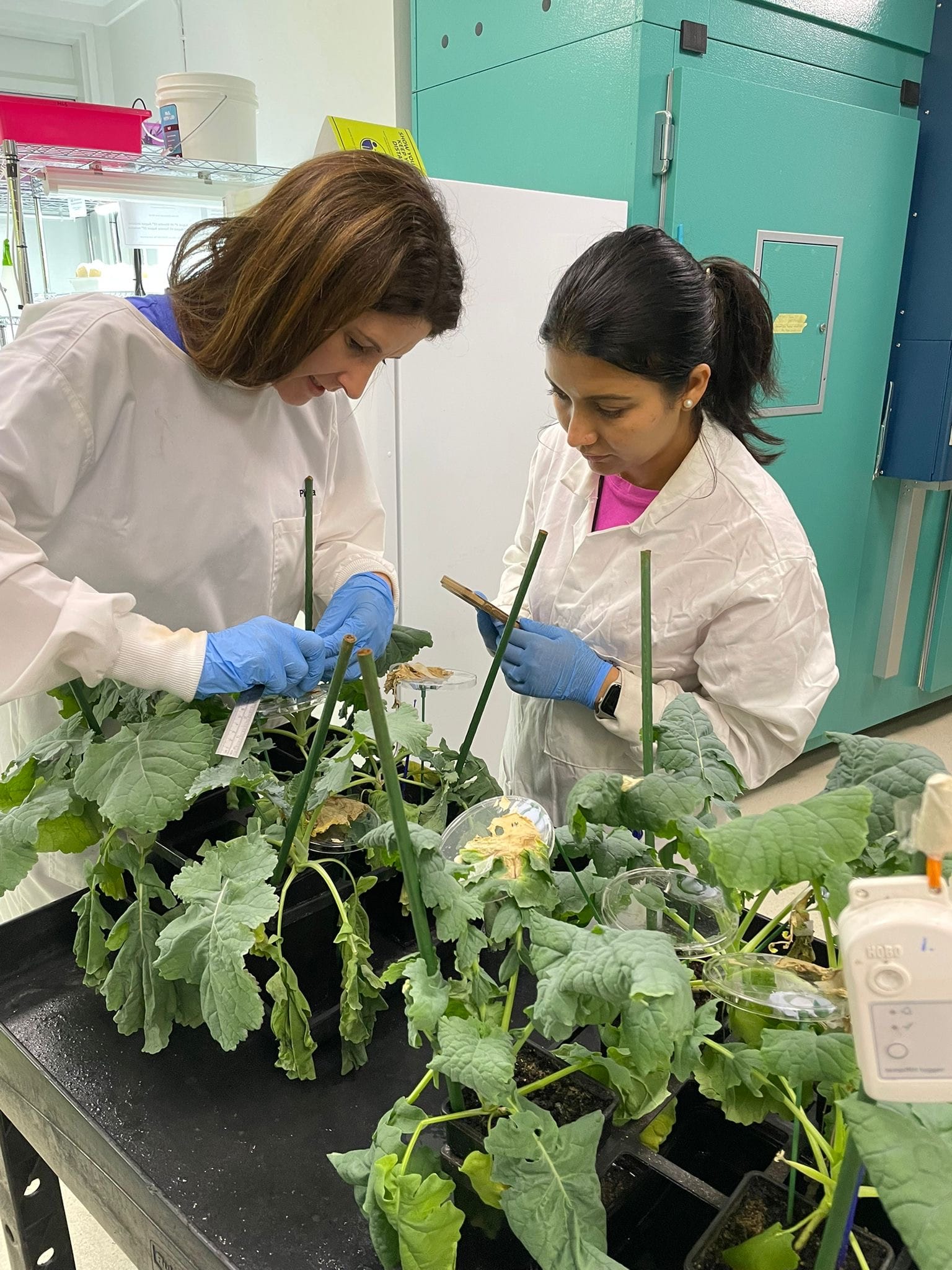
“My current research focuses on Sclerotinia stem rot disease in lupins and canola, which is an increasingly important and widespread disease of these valuable crops, however current management is difficult due to the sporadic nature of the disease and lack of host resistance,” Dr Michael said.
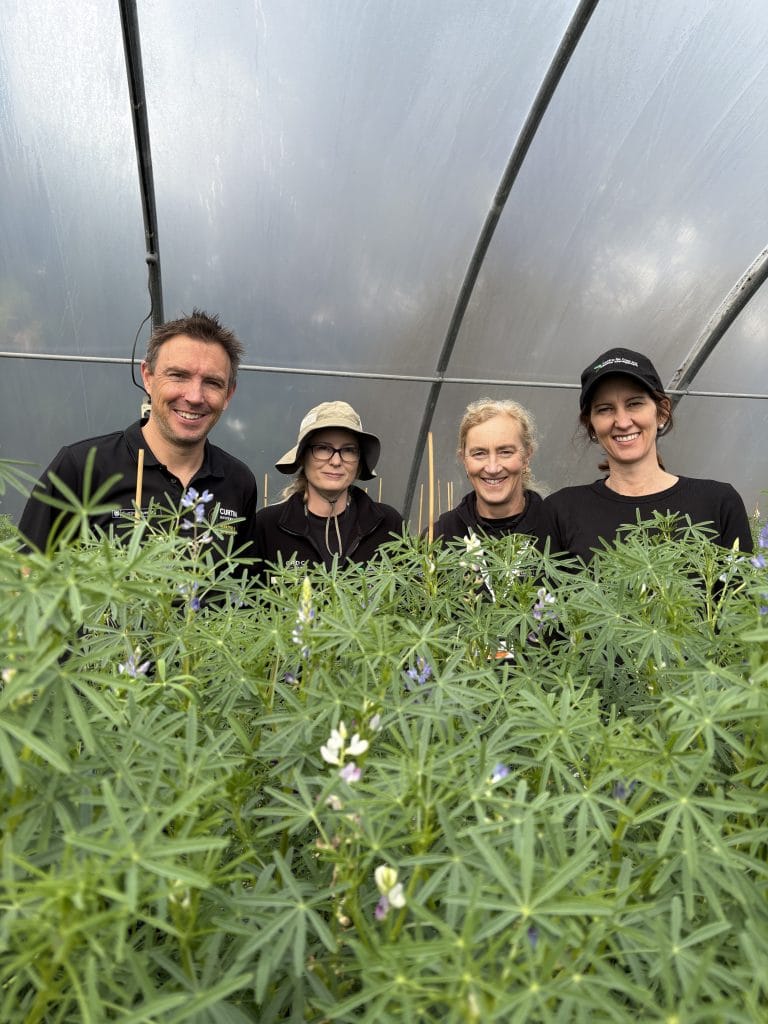
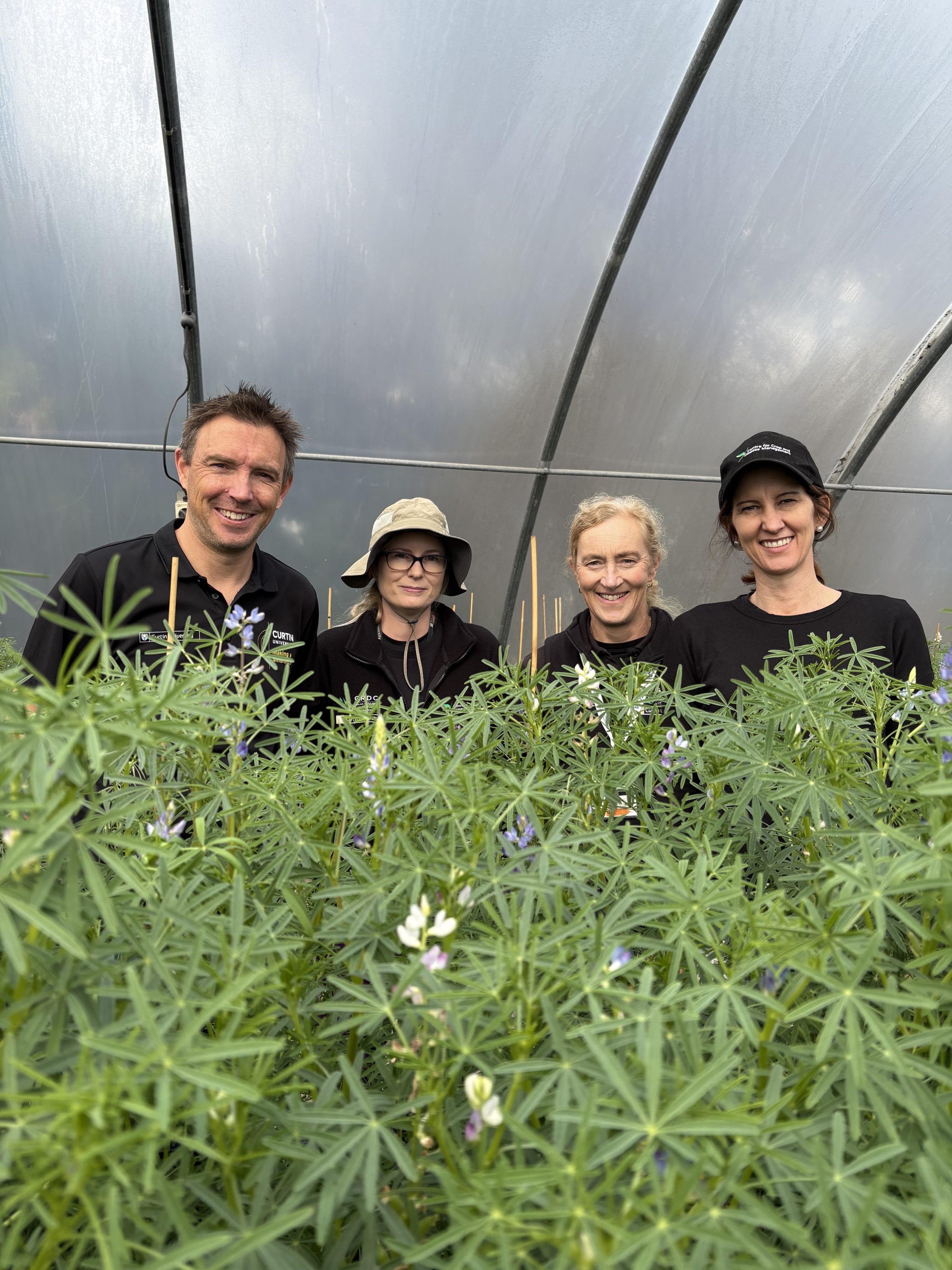
Co-funded by WAARC and GRDC, the Lupin Disease Resistance project brings together the crop genetics and plant pathology expertise of the Department of Primary Industries and Regional Development (DPIRD), Curtin University and Murdoch Universities, along with the plant breeding experience of Australian Grain Technologies (AGT).
Within this project, her team is identifying potential resistance to Sclerotinia stem rot in a large lupin diversity panel of over 500 international and national lines.
She is also involved in a co-infection project, funded by the Council of Grain Grower Organisations (COGGO), looking at interactions between Sclerotinia stem rot and blackleg in canola.
“Our work has the potential to support lupin breeders by incorporating genetic resistance into commercial lupin varieties, which could reduce the impact of Sclerotinia disease for growers,” Dr Michael said.
“The co-infection research also helps us better understand how canola responds to multiple diseases at the same time, which is more reflective of real farming systems, and whether the pathogens are synergistic or antagonistic towards each other.”
For Dr Michael, a typical week involves meeting with the project team to plan upcoming work, growing and maintaining plants in the hoophouse or field, inoculating plants with pathogens and scoring disease severity.
She also spends time analysing data, processing images, and writing research papers and presentations.
Delivering outcomes that matter
Across her work, Dr Michael maintains a clear focus on ensuring research outcomes remain relevant to growers and grounded in real-world farming systems.
“The most rewarding part is working on research that has clear, practical relevance for growers, particularly research that aims to improve crop performance and reduce disease impact,” she said.
“I’m able to contribute to agricultural science by increasing knowledge in my areas of research and knowing that this research can have useful outcomes for growers and breeders.”
Dr Michael also enjoys the challenge of learning more about things that haven’t been well studied before.
As she looks ahead, she sees strong opportunities for emerging researchers as new technologies accelerate progress in the field.
“It’s a really exciting time to be involved in agricultural science,” Dr Michael said.
“Improvements in DNA-based tools, plant imaging and data analysis are allowing us to ask better questions and make faster progress on real farming problems.”
Her advice to students reflects the mindset required to succeed in the field.
“For students, I’d encourage staying curious, building strong practical and analytical skills, and seeking opportunities to work on real-world problems,” she said.
Dr Michael’s work reflects the role of applied science in addressing complex challenges, contributing to more resilient cropping systems and supporting the long-term productivity of the State’s agricultural sector.
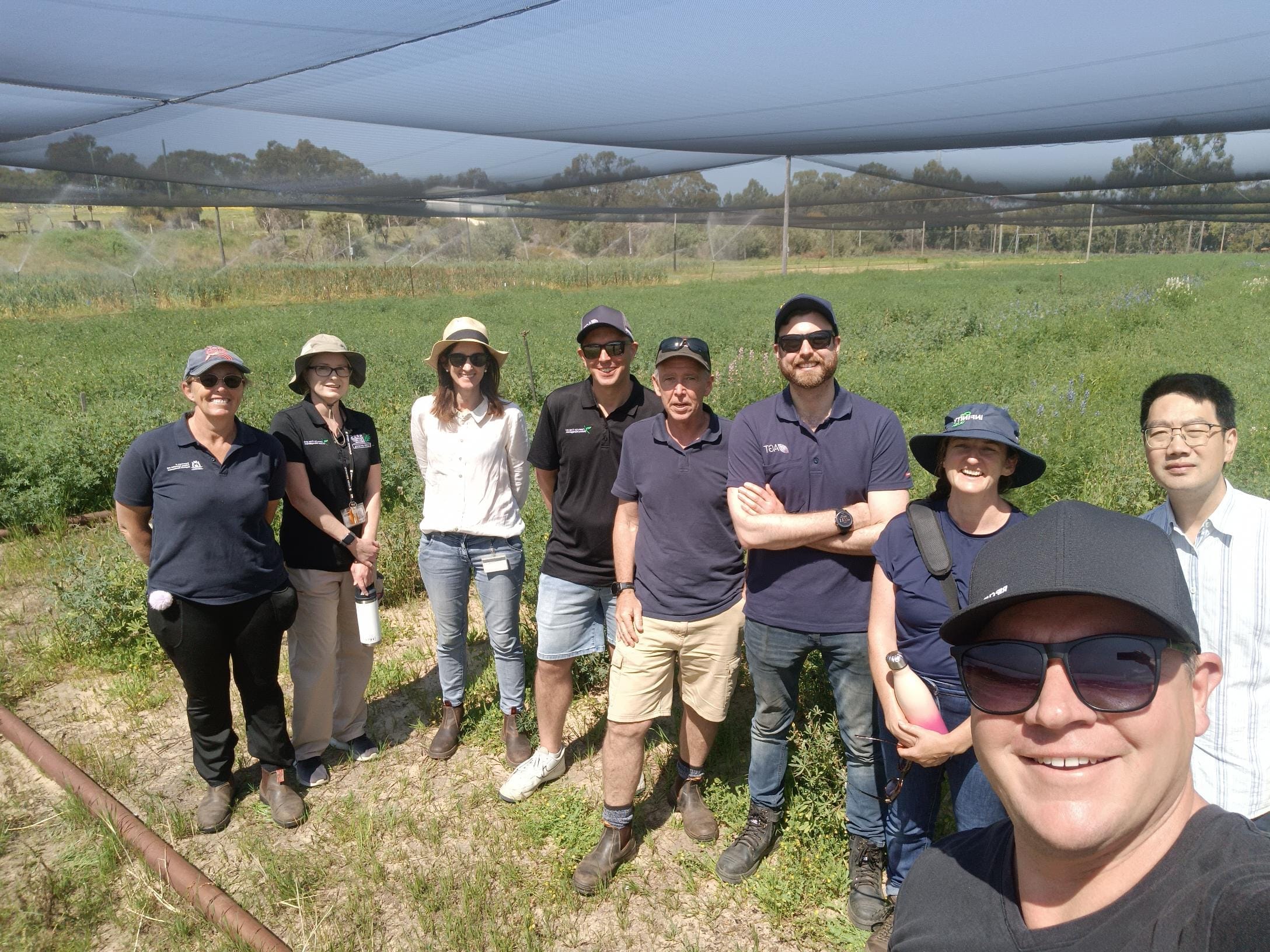
Through the WA Agricultural Scientist Spotlight series, WAARC celebrates the contributions of researchers like Pippa Michael, whose work exemplifies the dedication and innovation needed to advance agricultural science in Western Australia.
By sharing their stories, the series aims to inspire a new generation to pursue careers in this vital field, ensuring the State remains at the forefront of agricultural research and sustainability.