


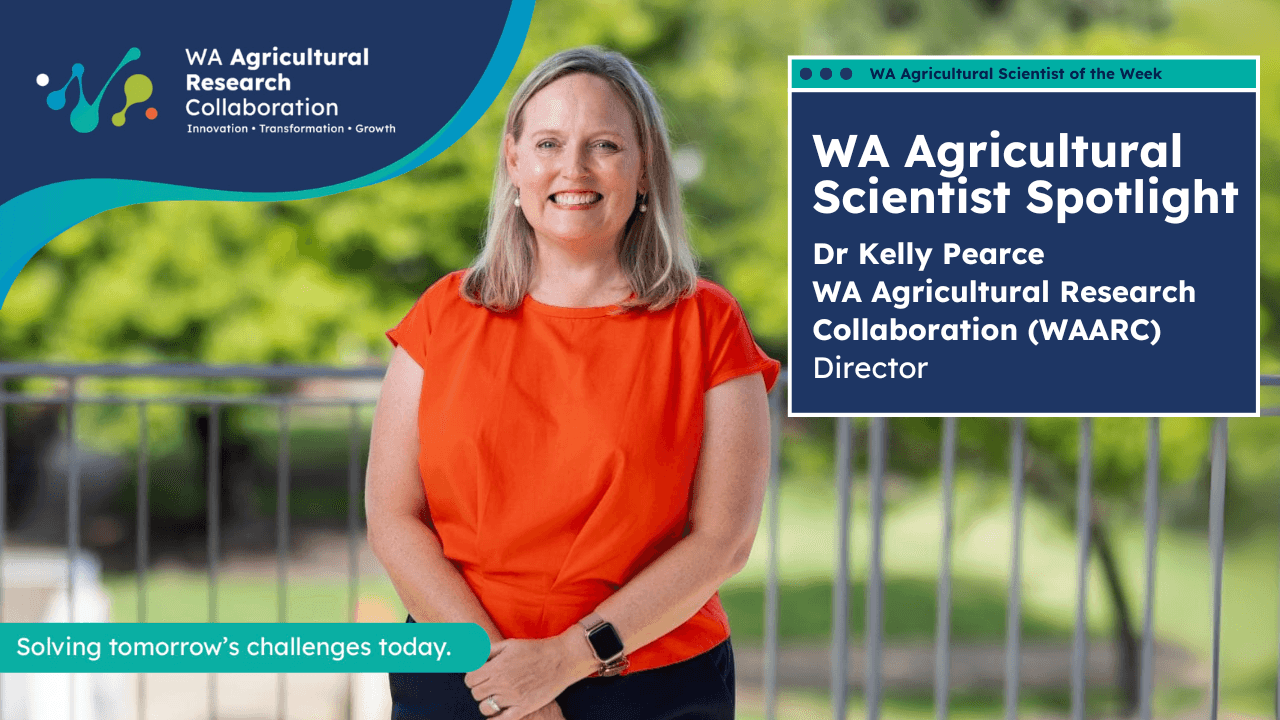
The WA Agricultural Scientist Spotlight is a fortnightly feature profiling Western Australia’s leading agricultural scientists.
This edition features our own Dr Kelly Pearce – scientist, farmer, and Director of the WA Agricultural Research Collaboration (WAARC) – whose career has taken her from the Pilbara to the Wheatbelt, through the board room and into leadership roles that are redefining agricultural research in Western Australia.
Her story is one of persistence, adaptability, and a deep belief in research that delivers real impact on the ground.
From the Pilbara to applied science
Dr Pearce’s roots are in the Pilbara, a region known for its harsh conditions, vast distances, and a climate that demands resilience from those who live there.
She developed a love for science during her school years.
“I was the kid who loved science, but not the abstract kind – I wanted the kind you could put to work,” Dr Pearce said.
“There’s no more applied, no more relevant science in WA than agriculture.”
This passion naturally led her to pursue Agricultural Science at The University of Western Australia, a field of study that perfectly matched her practical mindset.
Her drive and commitment earned her a prestigious CSIRO scholarship to undertake a PhD, working under two respected mentors – Dr Dave Masters at CSIRO and Professor David Pethick at Murdoch University.
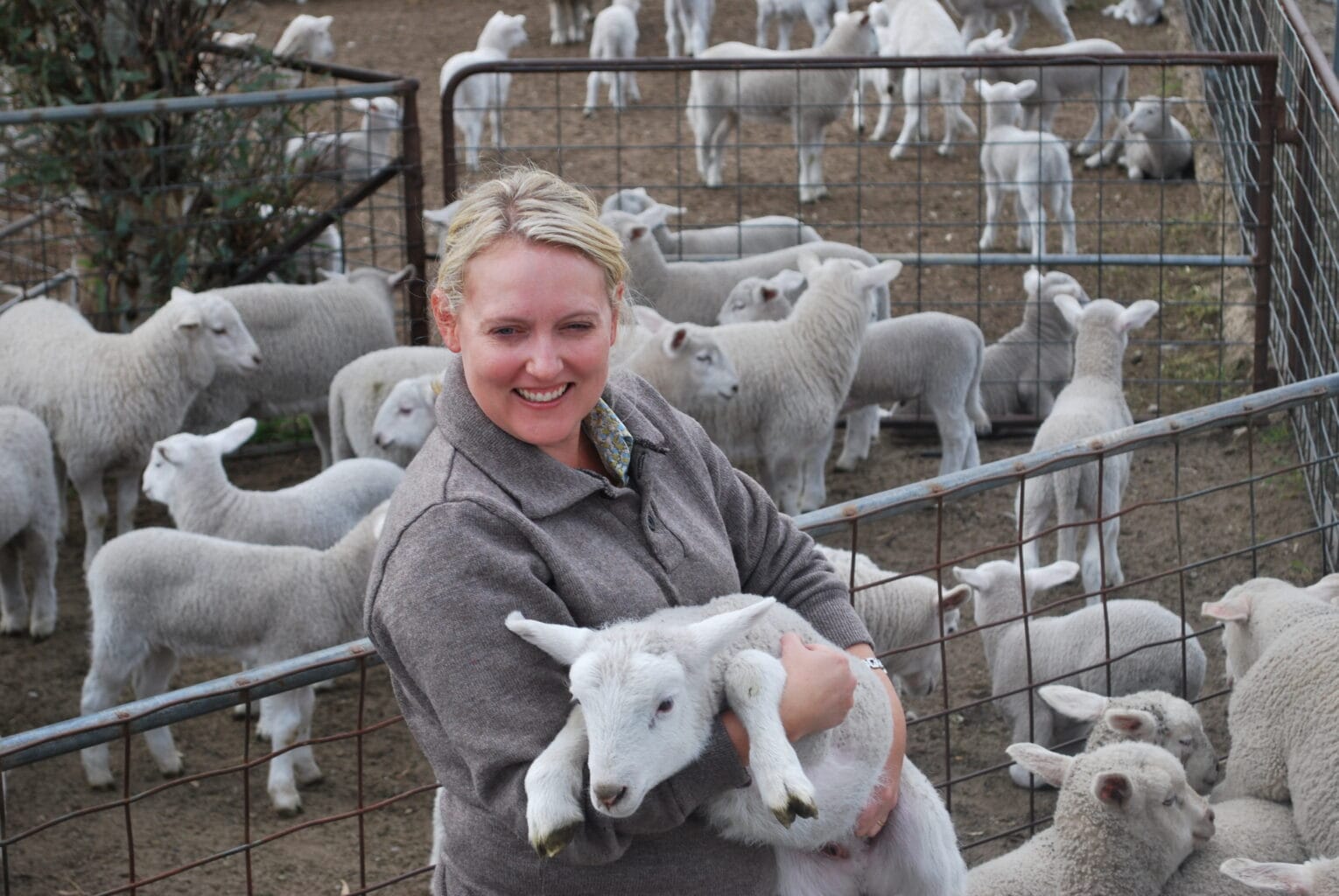
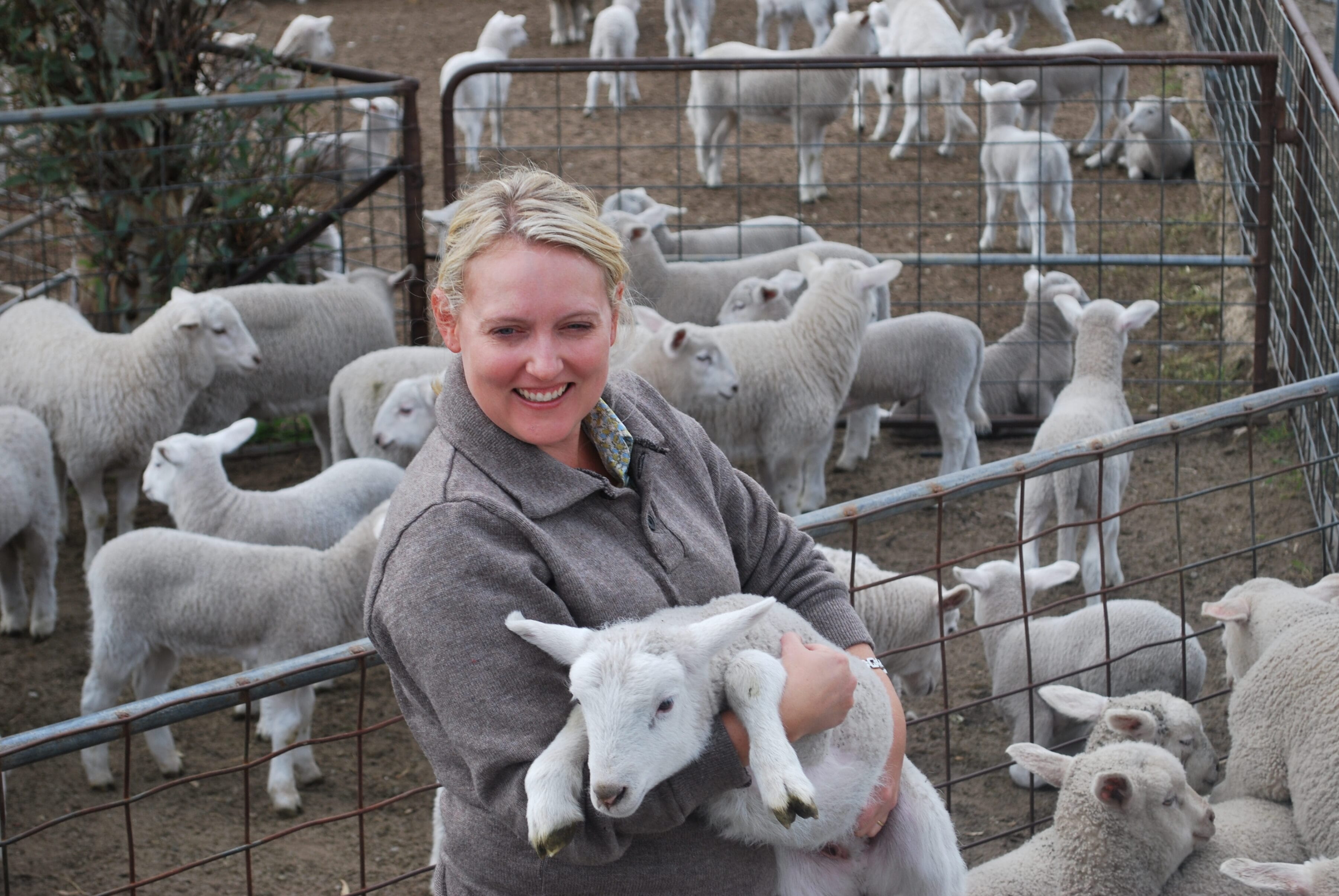
Her PhD research started with a focus on the carcass and eating quality of sheep grazing saltland pastures, but it grew to encompass much more – animal physiology, wool characteristics, and the environmental factors influencing the Wheatbelt.
She conducted grazing trials and taste tests, working closely with animals in ways that, today, would require extensive ethics approval.
One of her key findings was the surprisingly high vitamin E content in saltbush, a common saltland plant.
“This provides a powerful antioxidant benefit for meat quality, protecting colour and flavour stability, but also important animal health benefits,” Dr Pearce said.
“It was serious science, but it was also grounded in practical farming systems – and that’s always been my line in the sand.”
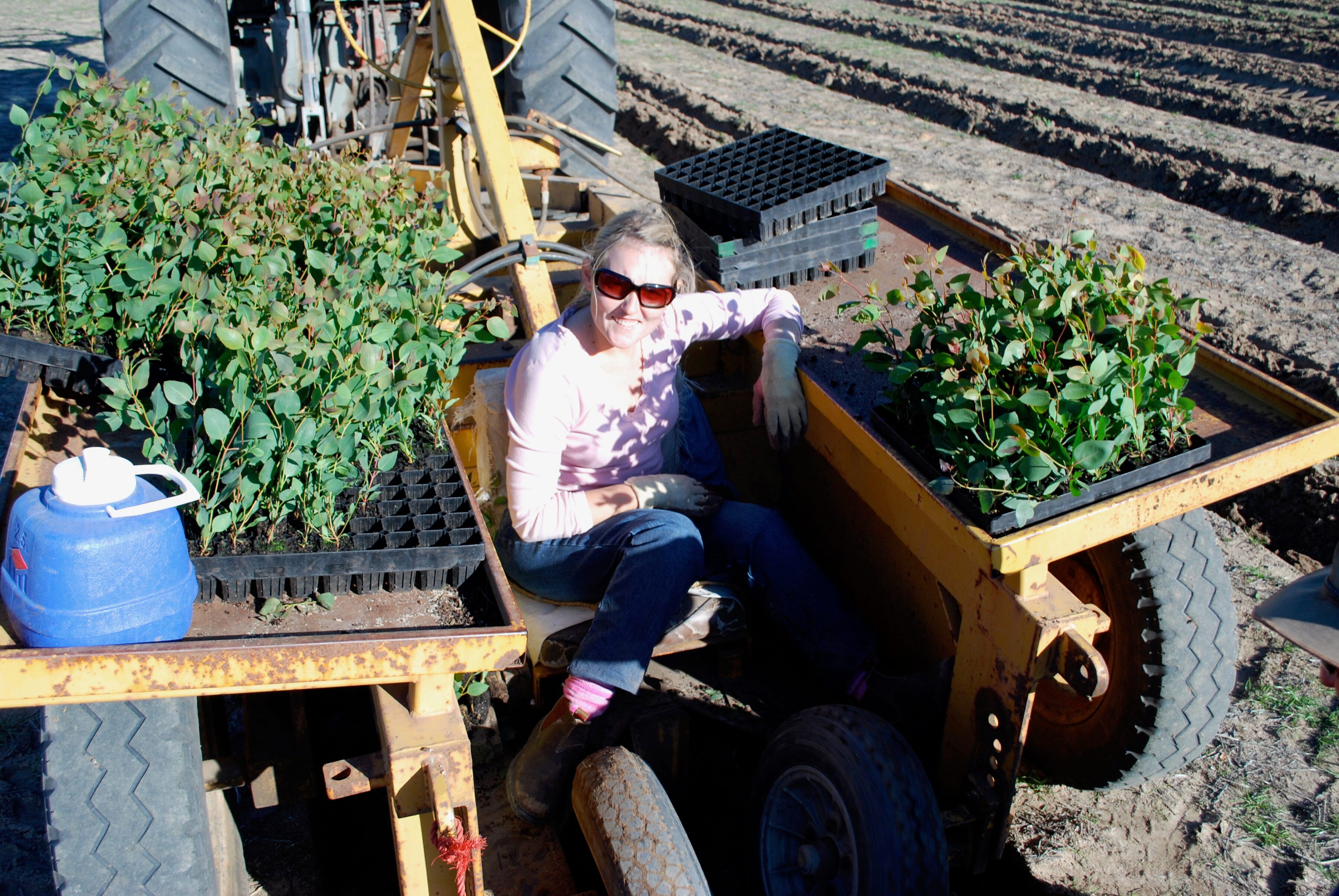
Academic achievements meet farming realities
Following her PhD, Dr Pearce continued at Murdoch University as a research fellow, contributing to projects funded by Meat & Livestock Australia and Cooperative Research Centres, working across the meat supply chain.
She gained more than scientific knowledge in this phase, she also developed leadership skills under the mentorship of Prof Pethick.
During her fieldwork, fate intervened – she met Alan, a farmer from Yealering, and they married.
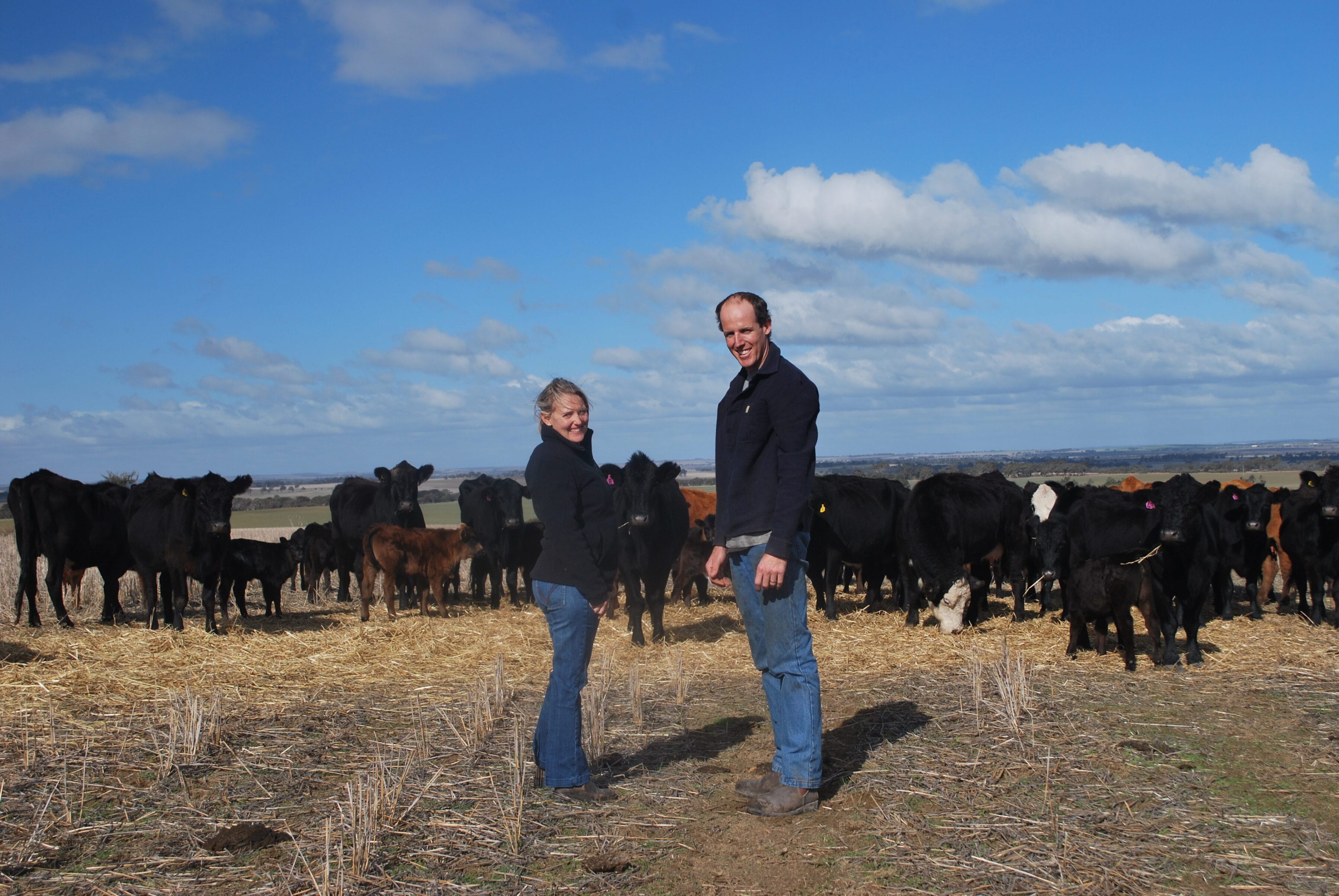
In 2008, Dr Pearce made the life-changing decision to move to the Wheatbelt to take on farming, as well as juggling her role at Murdoch University.
The reality of farming soon hit home.
“We bought our farm under difficult circumstances, took on serious debt, and the first season we farmed we had 100 millimetres of growing-season rainfall,” Dr Pearce said.
Since then, she and Alan have battled droughts, frost, market fluctuations, and the endless uncertainties that come with managing a farm.
“When you’ve been on the bare bones of your bum, you get a very clear idea of what ‘innovation’ means in real life,” Dr Pearce said.
“It’s not just blue-sky science and big shiny toys, it’s often a small, practical tweak that keeps you in business for another year.”
These hard-earned lessons cemented her belief that agricultural research must be practical, accessible, and closely aligned with growers’ needs.
Embracing a broader perspective
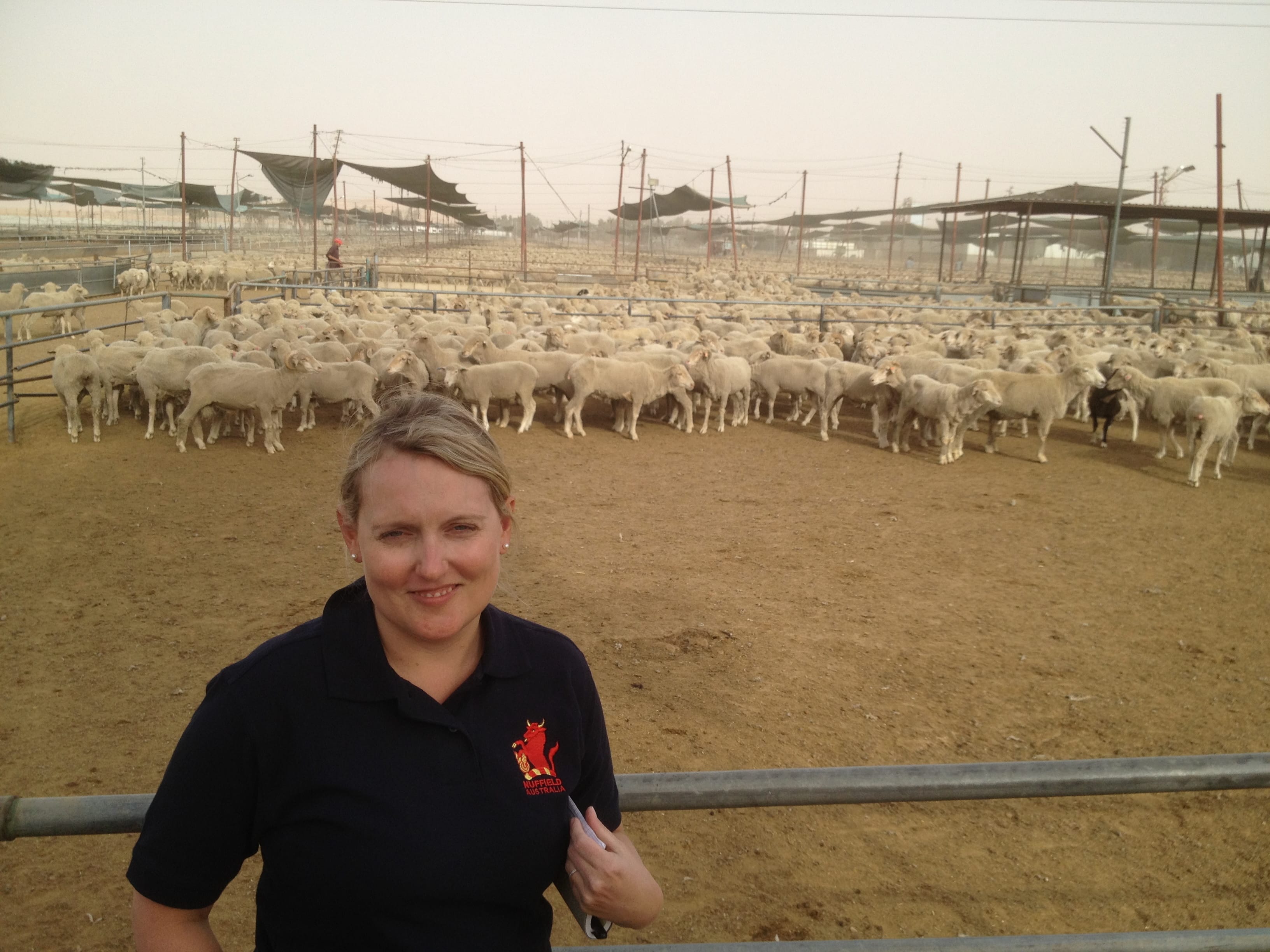
Dr Pearce completed a Nuffield Scholarship in 2012 which opened up new networks and gave her a better understanding of global agriculture and how Australia fits within the big picture.
In 2016, after the arrival of her second child, she stepped away from Murdoch University.
At the time, it felt like a personal and professional upheaval.
“It felt like my world was ending – stepping away from a research career I had worked so hard to build,” Dr Pearce said.
Yet, stepping back opened new doors.
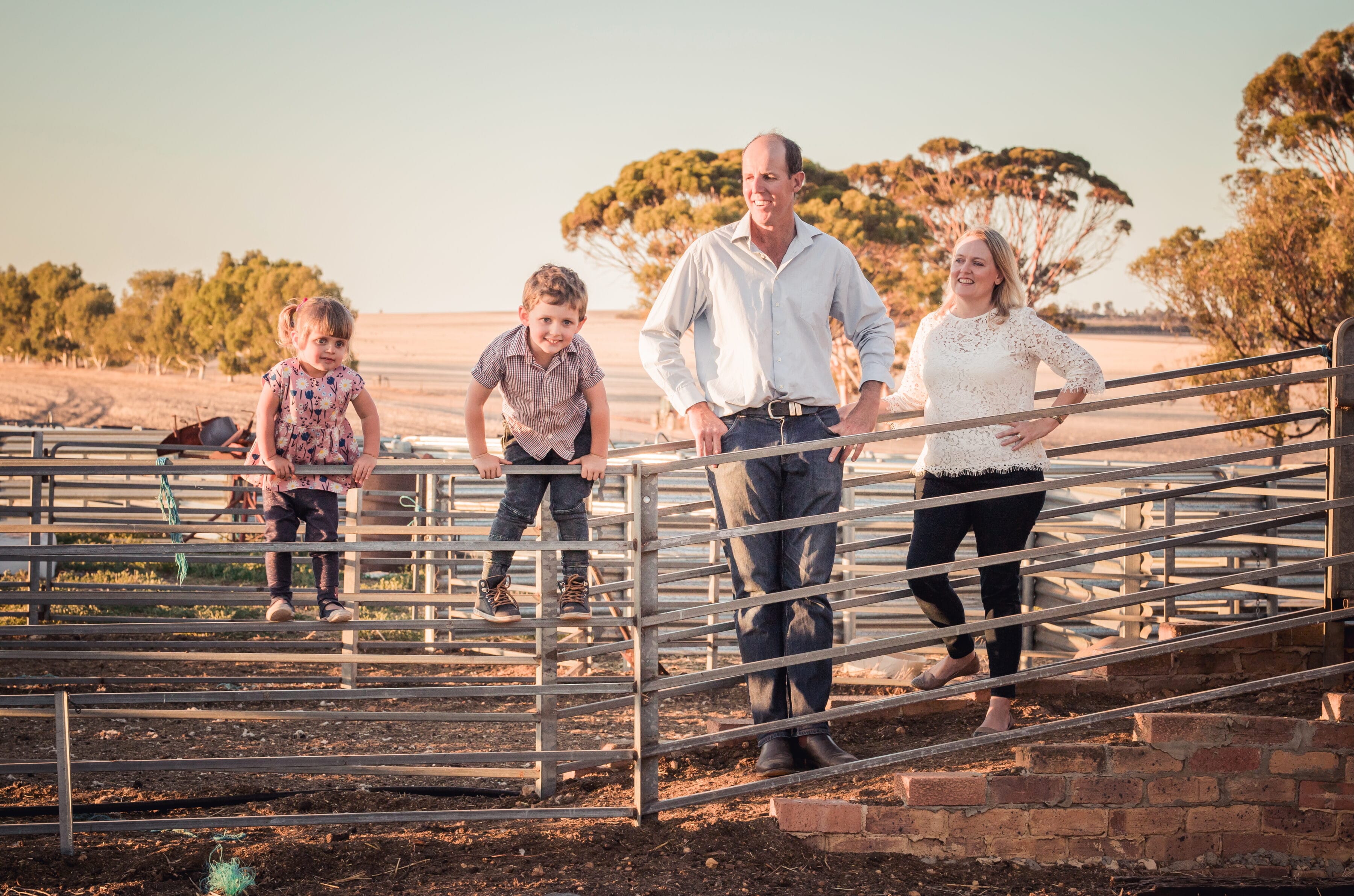
She engaged in governance roles, consultancy, and Ministerial appointments that expanded her understanding of the WA agricultural landscape, from policy and governance through to on-the-ground delivery.
This holistic perspective changed how she viewed research.
“I now see it not just as a scientist, but as someone who understands the entire system, end-to-end,” she said.
Her leadership roles expanded when she became Chief Executive Officer of the Facey Group and Chair of the Grower Group Alliance (GGA).
She experienced firsthand the value of local research and extension, but also the frustrating disconnect between city-based research agendas and grower priorities.
“Too often, projects were designed in isolation and growers were asked to ‘support’ them without resources, recognition, or real co-design,” Dr Pearce said.
“That needed to change.”
Taking the helm at WAARC
All these experiences naturally led Dr Pearce to her current role as Director of the WA Agricultural Research Collaboration.
“WAARC has the potential to be a genuine game-changer for WA agriculture,” she said.
“It could reshape how we deliver research in this State for decades to come.”
WAARC was established to break down silos and bring together grower groups, universities, government agencies, and industry in a more collaborative and coordinated way.
Since its inception, WAARC has already delivered impactful projects across the State’s agricultural industries that would not have happened without this collaboration.
“We have the right structure, the right governance, and the right intentions,” Dr Pearce said.
“The platform is built, the systems are in place, and we’re ready to go further and faster,” she said.
WAARC is steadily building momentum as it establishes itself as a trusted and effective collaboration within Western Australia’s agricultural research landscape.
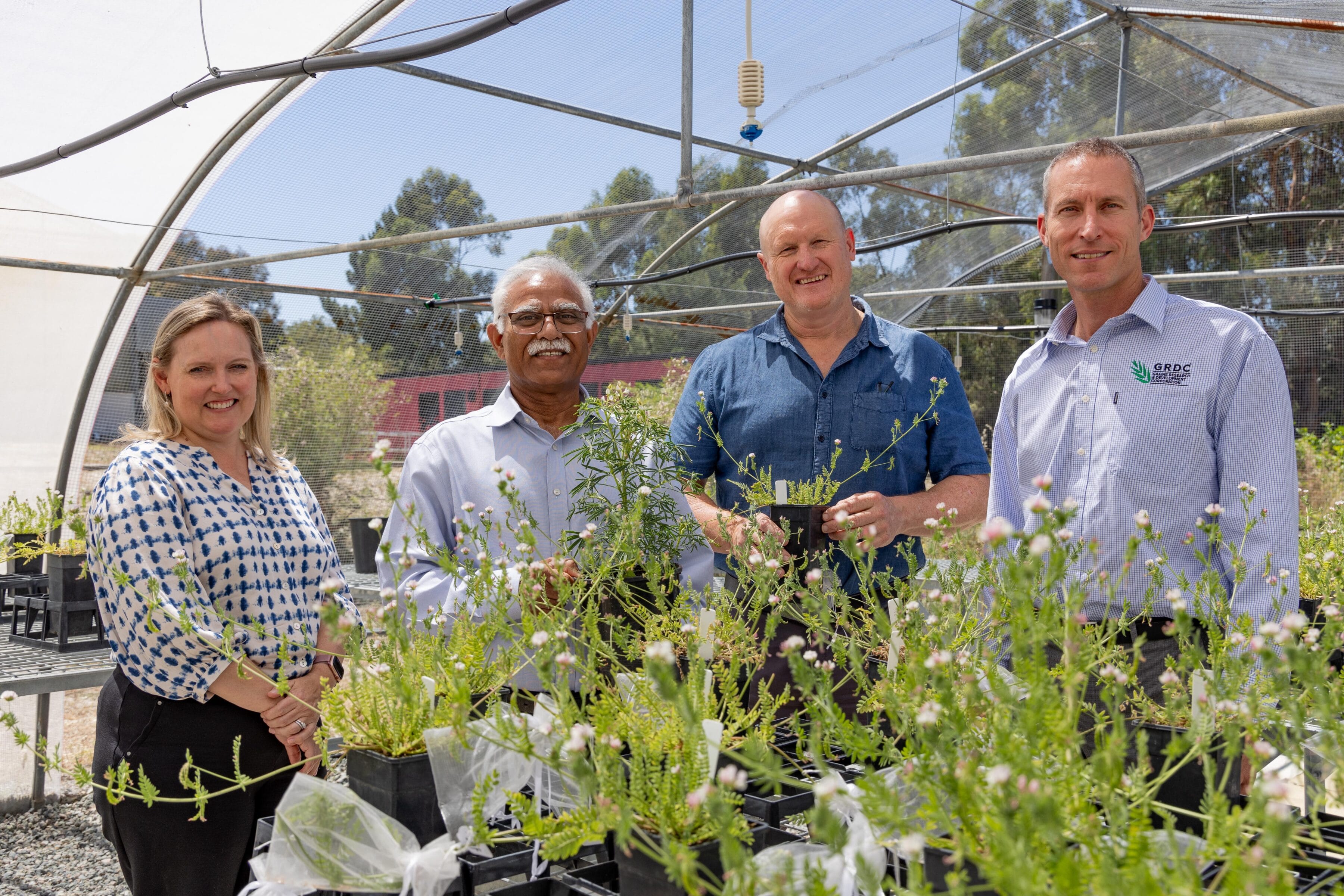
Building a strong foundation and earning the confidence of funders takes time, something Dr Pearce acknowledges and views the current phase as crucial for proving WAARC’s model and delivering tangible results.
“You don’t conjure that overnight,” she said.
“First, you prove your model works, you build trust with funders, you deliver results – that’s the stage we’re at now.”
Dr Pearce believes the future success of WAARC depends on active engagement from all parts of the industry.
She encourages growers, researchers, and partners to move beyond criticism and get involved, emphasising that collective support is essential to achieve the impact farmers need.
“If WAARC is going to deliver the impact farmers need, it will take more people leaning in, understanding it, and backing it,” she said.
For Dr Pearce, transformational research isn’t only about headline-grabbing breakthroughs.
“It’s about the incremental, high-impact changes that keep WA farms competitive and resilient,” she said.
“Whether it’s a precision ag innovation, a machinery adaptation, or a management tweak that cuts costs and risk.”
She emphasised the importance of pairing blue-sky, rigorous science with the on-the-ground ingenuity that WA growers demonstrate daily.
WAARC’s role is to harness that local ingenuity, connect it with the best science, and ensure levy dollars are invested where they deliver the greatest on-farm benefits.
“That’s why farmers shouldn’t just support WAARC – they should demand it,” Dr Pearce said.
“This is about more than individual projects or agendas, WAARC is building the systems, partnerships, and culture of collaboration that WA agriculture has needed for decades.”

The challenge of leadership from the farm
Dr Pearce’s journey as a rural-based woman, farmer, and scientific leader has shaped her unique perspective on the challenges and opportunities within agricultural research.
Balancing a demanding career in science alongside farm life and family responsibilities has required persistence and adaptability.
Living and working remotely, she has had to develop creative solutions to maintain momentum in both spheres.
She acknowledges that the path hasn’t always been straightforward, but the experience has only strengthened her commitment to advancing WA’s agricultural research system.
The practical realities of farm life have reinforced her understanding of what farmers truly need from research – solutions that make a tangible difference on the ground.
“Maintaining a career in science while living and working remotely has taken persistence, creativity, and a fair bit of grit,” Dr Pearce said.
“And every step has reinforced why WAARC matters, and why I’m determined to see it succeed.”
Yet she embraces the challenge wholeheartedly, driven by a clear vision.
Her goal is to build a research system that works for the agricultural and food industries across WA.

Dr Pearce sees WAARC as the connective tissue that unites science and farming, breaking down silos and driving practical outcomes for growers.
“At the end of the day, I’m a farmer – and I want our research system to work for the agricultural and food industries here in WA,” Dr Pearce said.
“WAARC is how we make that happen, by building a system that’s more resilient, productive, and collaborative than anything we’ve had before.”
With growing support from industry stakeholders and a clear focus on impact, Dr Pearce is optimistic about WAARC’s ability to transform the State’s research landscape.
She believes this collaborative model will deliver lasting benefits, strengthening WA agriculture both now and for future generations.
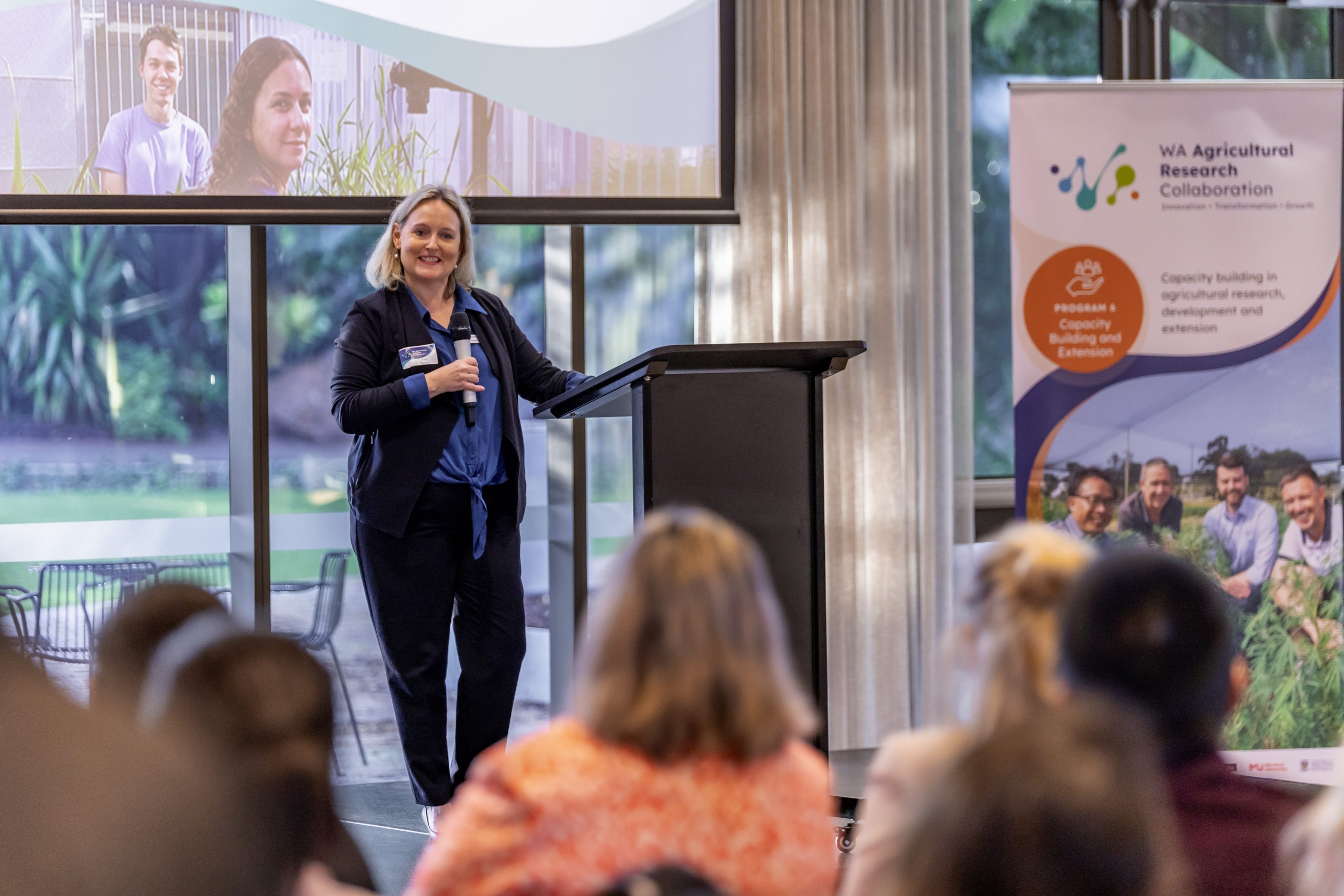
Through the WA Agricultural Scientist Spotlight series, WAARC celebrates the contributions of researchers like Kelly Pearce, whose work exemplifies the dedication and innovation needed to advance agricultural science in Western Australia.
By sharing their stories, the series aims to inspire a new generation to pursue careers in this vital field, ensuring the State remains at the forefront of agricultural research and sustainability.