

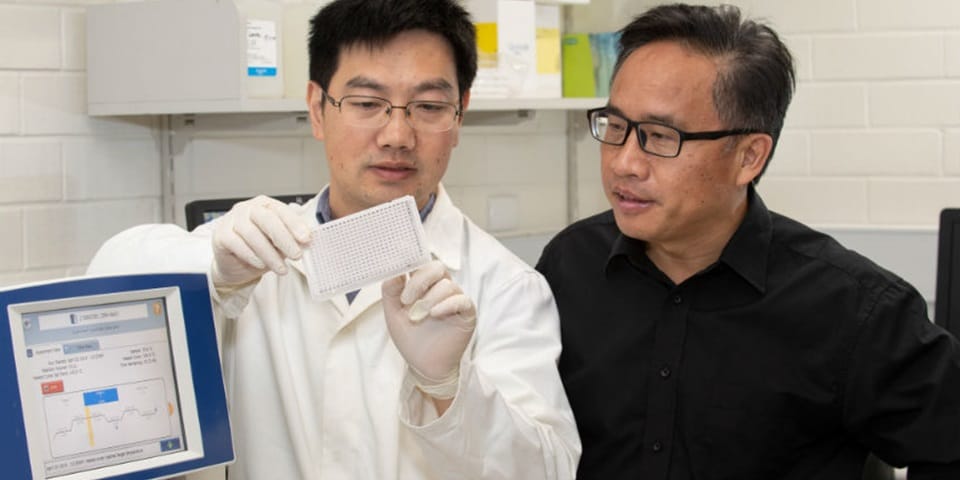

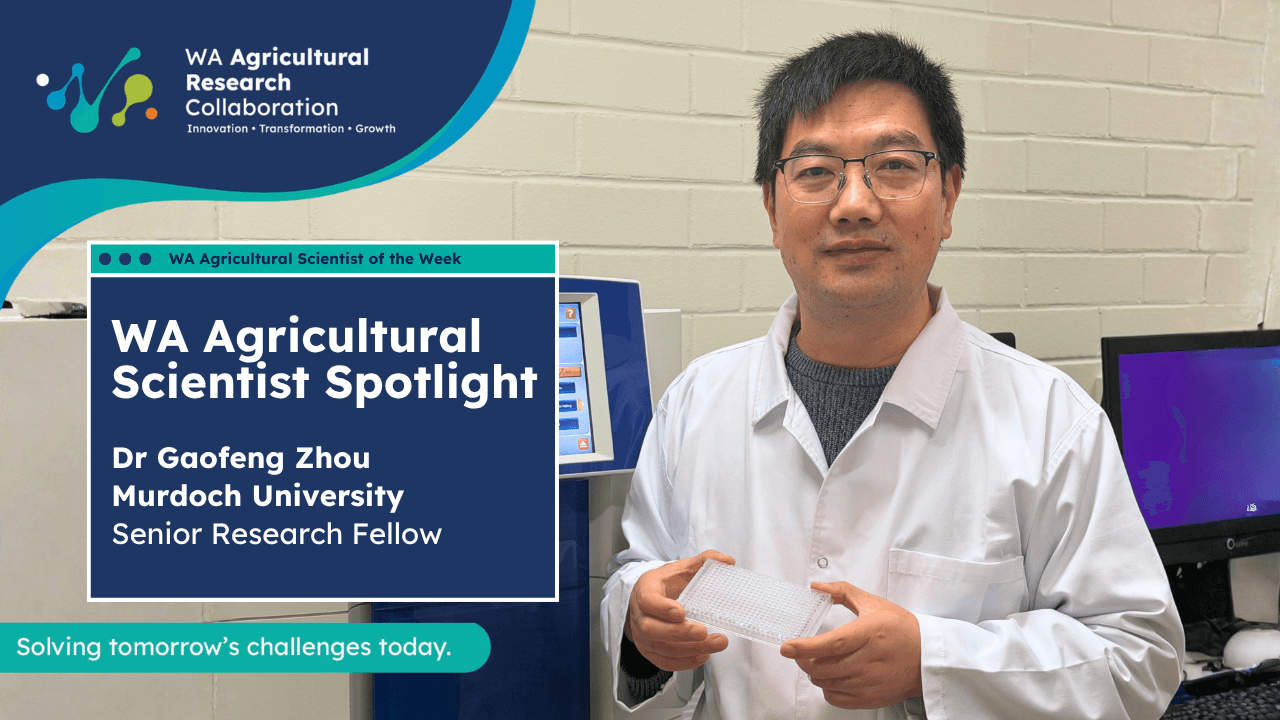
Every fortnight, the WA Agricultural Scientist Spotlight shares the stories of the people helping shape Western Australia’s agricultural future, highlighting their career journeys, research achievements and the ideas driving progress across the sector.
This edition features Dr Gaofeng Zhou, Senior Research Fellow at Murdoch University and Lupin Genetics Program Leader at the Western Crop Genetics Alliance.
Based at Murdoch University, Dr Zhou works in lupin pre-breeding, where his research supports the development of tools that can help strengthen crop improvement for WA farming systems.
A pathway shaped through study
Dr Zhou’s pathway into agricultural science was shaped through university study rather than a direct start in farming.
Since his undergraduate degree at China Agricultural College, his interest has been plant genetics and molecular biology, with a strong focus on plant genomics.
“Initially, I was more focused on plant science, and then on genetic discovery which can directly improve crop performance,” Dr Zhou said.
“Working with crops like lupin made me realise how powerful genetics can be in solving real-world agricultural challenges, especially in low-input and dryland farming systems like those in Western Australia.”
Upon completing his PhD as part of a joint project between CSIRO and University of Tasmania, Dr Zhou continued his academic development where he gained experience in genome assembly, gene identification and functional gene analysis.
Over time, he began to specialise in crop genetics and transitioned into agricultural research, focusing on translating genomic knowledge into breeding applications, particularly in legume crops such as lupin.
“Over time, I expanded into gene cloning, fine mapping and molecular marker development,” Dr Zhou said.
“These experiences naturally led me to lupin pre-breeding, where I now work on integrating genomics with breeding for key agronomic traits.”
Building tools for lupin improvement
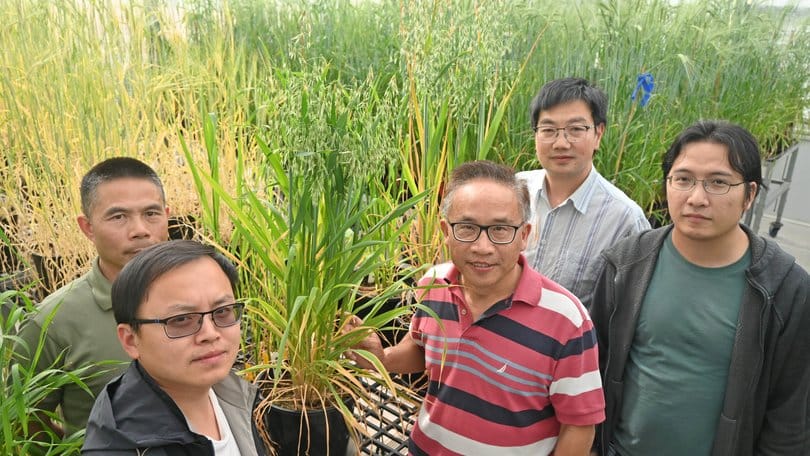
Dr Zhou now works at Murdoch University where he serves as a Senior Research Fellow, as well as the Lupin Genetics Program Leader at Western Crop Genetics Alliance.
His primary role is as a geneticist working in lupin pre-breeding, with a focus on genome assembly, gene cloning, fine mapping and molecular marker development.
“My research targets include disease resistance genes, alkaloid biosynthesis genes, flowering time regulation, seed coat water permeability, early seedling vigour and pod shattering,” Dr Zhou said.
A typical week for Dr Zhou involves analysing genomic and sequencing datasets to identify useful genetic variation, then fine mapping target traits using segregating populations to narrow down where important genes are located.
He also designs and validates molecular markers for breeding programs, conducts gene cloning and candidate gene validation to better understand how those genes work, and connects those findings back to practical crop improvement.
That work is done in collaboration with breeders and field teams, helping ensure genomic findings can be integrated into lupin pre-breeding pipelines.
“The most rewarding aspect is seeing molecular discoveries translated into practical breeding tools,” Dr Zhou said.
“It is especially satisfying when genes we identify or markers we develop are used to accelerate lupin improvement.”
Strengthening lupins for WA and beyond
Dr Zhou’s current research focuses on the genetic architecture of key lupin traits, looking at how genes influence important characteristics in the crop.
This includes disease resistance mechanisms, alkaloid biosynthesis and regulation, flowering time control, seed coat water permeability, early growth vigour, pod shattering resistance and herbicide resistance genes.
Together, these traits influence how well lupins establish, grow, withstand disease and environmental pressures, retain seed before harvest and fit into farming systems.
By understanding the genes behind these traits, Dr Zhou’s work can help support the development of improved lupin varieties through pre-breeding and molecular marker development.
“I was drawn to this area because lupin is an important but underutilised legume with strong potential for sustainable agriculture in Mediterranean and semi-arid environments,” he said.
“The availability of modern genomics tools makes it possible to dissect complex traits and accelerate breeding progress.”
Globally, lupin is attracting increased interest as a high-protein, low-input crop, creating new opportunities for breeding programs to strengthen its role in sustainable food and farming systems.
Dr Zhou’s work in WA contributes to that bigger picture by developing genomic resources, genes and molecular tools that can support lupin improvement locally and internationally.
“My work supports the development of improved lupin varieties that are better adapted to local environments, more resilient to disease and more efficient in production systems,” he said.
“Traits like pod shatter resistance and early vigour are particularly important for improving yield stability under variable conditions.”
Connecting molecular science with field reality
For Dr Zhou, one of the most rewarding parts of his career has been the development of molecular markers which can be used in breeding programs.
One of his proudest career achievements has been contributing to gene mapping and candidate gene identification for key lupin traits, including anthracnose resistance, alkaloid sweetness and grey leaf spot.
“Seeing genomic discoveries move from sequencing data to practical breeding applications is particularly rewarding,” he said.
That connection between discovery and application also shapes the advice Dr Zhou gives to students and early-career scientists considering a future in agriculture.
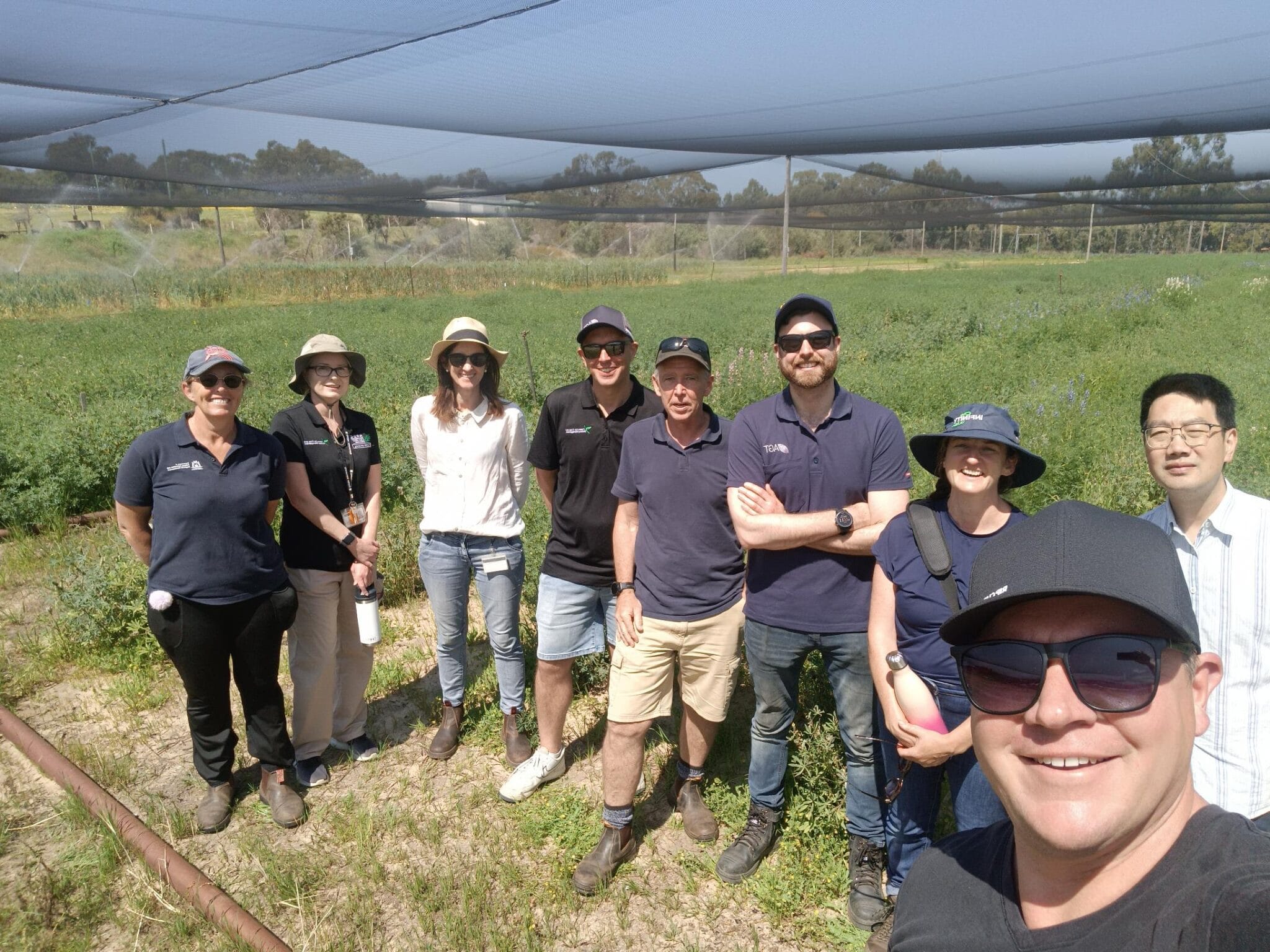
With agricultural science being highly interdisciplinary and data-driven, Dr Zhou believes the most meaningful outcomes come when molecular science meets field reality.
“My advice is to build strong foundations in genetics, bioinformatics and quantitative analysis, while also gaining exposure to real breeding systems and field-based agriculture,” he said.
“It is important to understand that impact comes from integration, linking genome assembly, gene discovery and functional validation with breeding application.
“Stay curious, be open to collaboration and focus on solving real agricultural problems rather than only generating data.”
Through his work in lupin genetics and pre-breeding, Dr Zhou is helping turn genomic discovery into practical tools that can support crop improvement in WA and beyond.
His career shows how agricultural science can connect detailed molecular research with real-world breeding outcomes, helping build more resilient and productive farming systems.
Through the WA Agricultural Scientist Spotlight series, WAARC celebrates the contributions of researchers like Gaofeng Zhou, whose work exemplifies the dedication and innovation needed to advance agricultural science in Western Australia.
By sharing their stories, the series aims to inspire a new generation to pursue careers in this vital field, ensuring the State remains at the forefront of agricultural research and sustainability.