

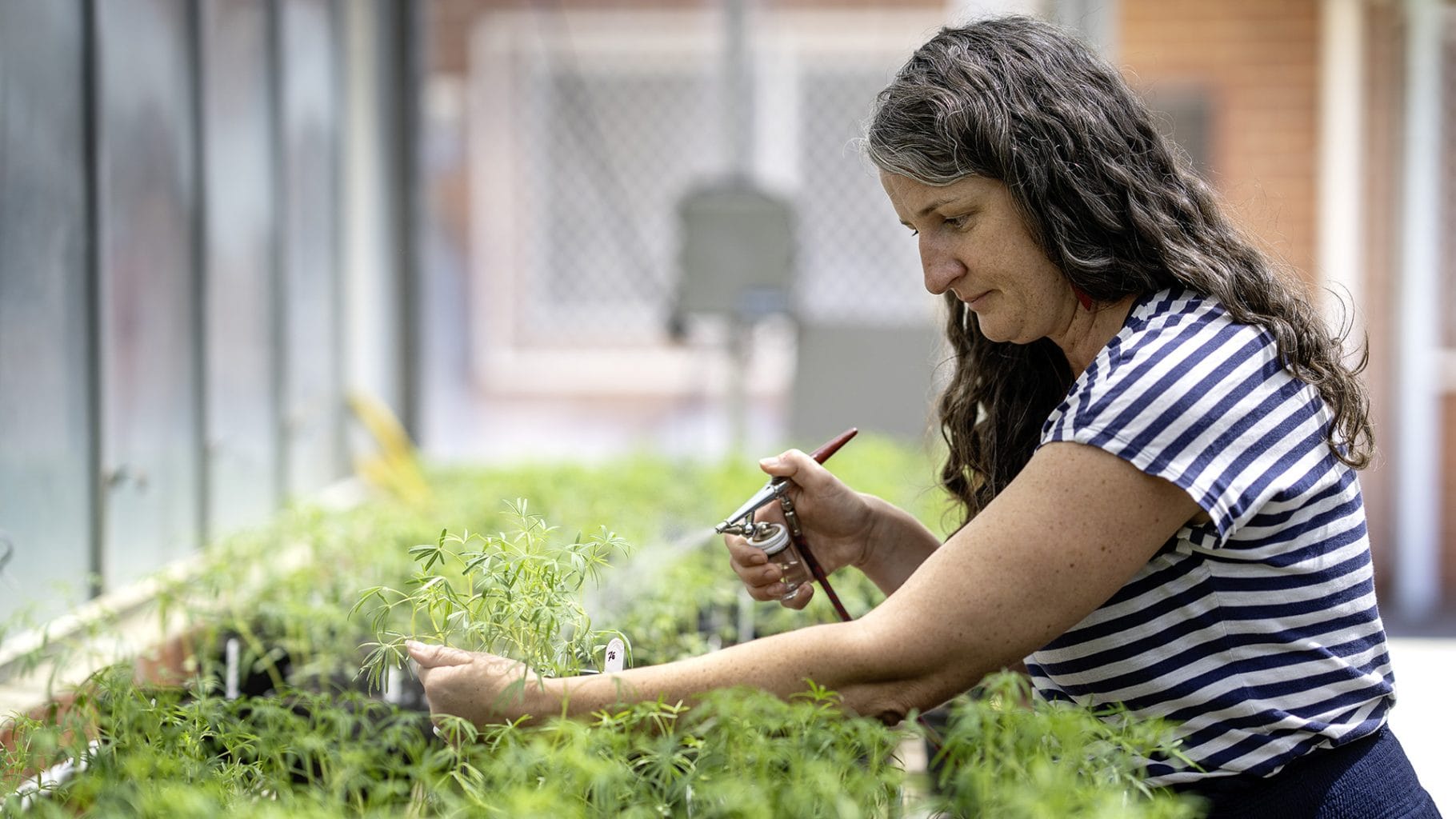

The WA Agricultural Scientist Spotlight series highlights the people behind Western Australia’s agricultural innovation – the researchers whose work is helping shape more productive, resilient and sustainable farming systems.
Each fortnight, the series explores the career journeys, motivations and research of leading agricultural scientists working across the state.
This edition features Dr Elaine Gough, plant pathologist at the Department of Primary Industries and Regional Development (DPIRD), whose work focuses on improving disease resistance in narrow-leaved lupin (NLL), a crop central to WA’s grain production systems.
From an Irish sheep farm to agricultural science
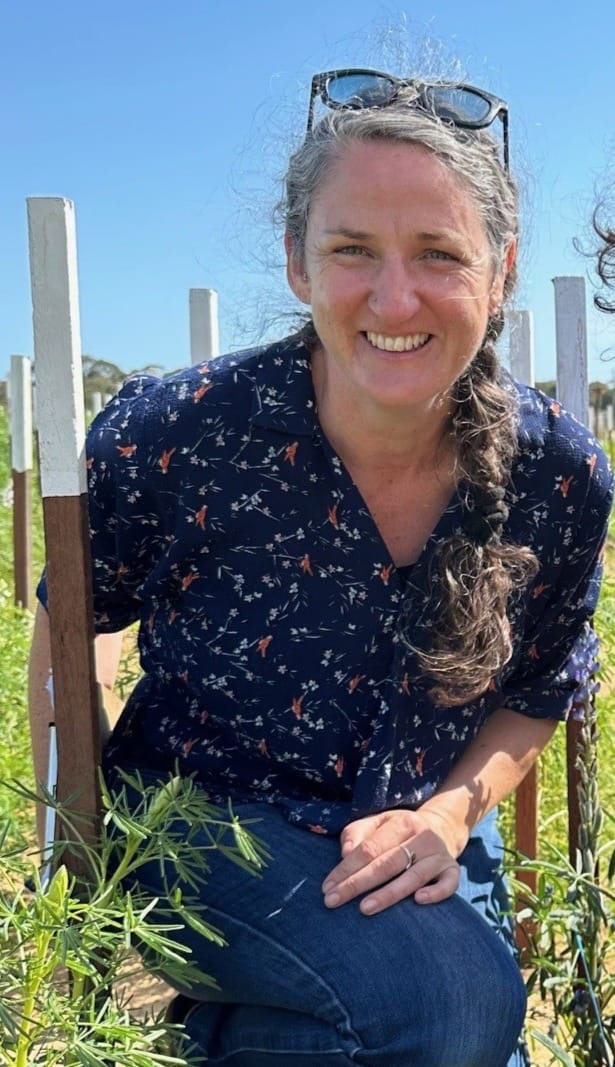
Dr Gough’s interest in agriculture began in rural Ireland, where farming landscapes and environmental stewardship were closely intertwined.
She grew up on a small sheep farm in the foothills of the Comeragh Mountains in County Waterford, and though modest by Australian standards, her family ran a productive flock of around 120 sheep thanks to the region’s mild climate.
Agriculture was also part of the wider family environment through her father’s work with the Irish Department of Agriculture.
He was involved in the Rural Environmental Protection Scheme (REPS), a national program designed to support environmentally responsible farming and landscape conservation.
“Being surrounded by this environment sparked an early curiosity about how agriculture shapes our landscapes and how food production can be managed sustainably for long-term environmental and economic benefit,” Dr Gough said.
“That interest stayed with me and ultimately grew into a career.”
That curiosity led Dr Gough to pursue environmental science at University College Cork, where she focused on plant science and completed a degree in Environmental Plant Biotechnology.
While studying, she became increasingly interested in the scientific disciplines that influence plant productivity, including plant pathology, plant breeding and agroecology.
One historical case study highlighted the profound impact plant diseases can have on agriculture and society.
“Learning about the infamous potato blight, Phytophthora infestans, and how a microscopic pathogen reshaped Ireland’s history and population left a lasting impression on me,” Dr Gough said.
Following university, she began applying her knowledge in commercial plant breeding environments across Europe.
Her early career included work as a plant pathologist with a plant breeding company in the United Kingdom before moving to Almeria in southern Spain, where she continued as a pathologist but this time with a horticultural plant breeding company.
Those roles provided valuable exposure to the real-world challenges faced by breeders and growers, before her career took an international turn when she made the leap across the world to Australia.
Exploring soil biology and the role of legumes
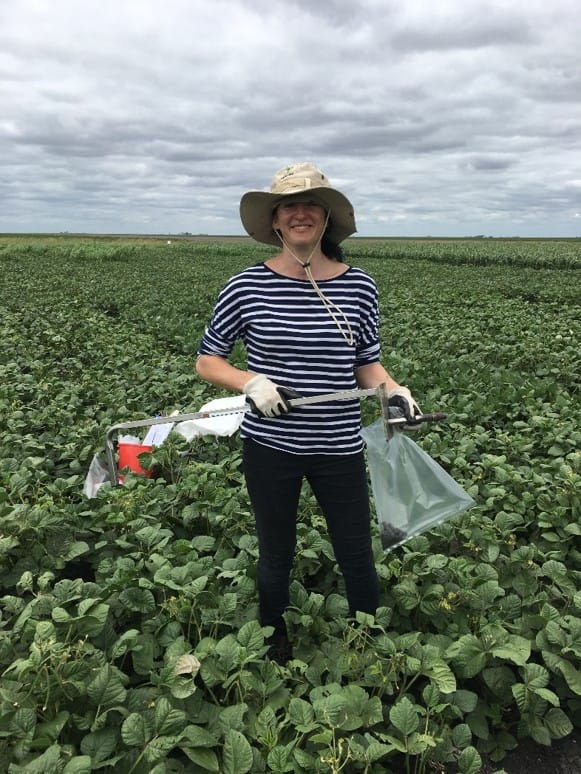
After relocating to Australia, Dr Gough later returned to academic research through a PhD at the University of Southern Queensland in Toowoomba.
Her doctoral research marked a shift from horticultural crop systems to broadacre agriculture and focused on the complex biological interactions occurring below ground in cropping systems.
Dr Gough’s PhD investigated interactions between root-lesion nematodes (Pratylenchus thornei), beneficial mycorrhizal fungi and rhizobia in mungbean.
“I focused on how these multipartite soil interactions influence yield, biological nitrogen fixation, and cropping rotations,” she said.
“This work sparked my fascination with legumes as ‘wonder crops’ – able to enhance soil health while providing sustainable plant protein.”
Completing her PhD after returning to academia as a parent of young children during the COVID lockdowns is something Dr Gough marks as one of her proudest accomplishments.
“It was a tumultuous but extremely rewarding time,” she said.
“The project produced new insights into legume–pathology interactions and helped position me in a field I’m passionate about.”
Following the completion of her doctorate, Dr Gough continued exploring biological approaches to crop productivity through postdoctoral research.
Her work investigated plant growth-promoting bacteria and beneficial fungi with potential applications in commercial agricultural products, further strengthening her interest in biological solutions that support sustainable farming systems.
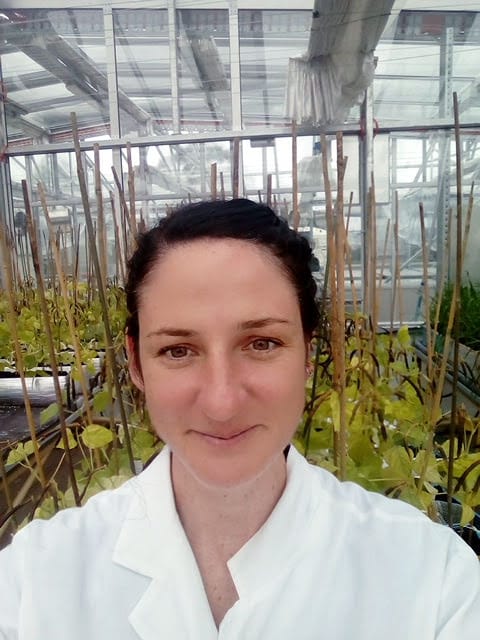
In 2024, Dr Gough joined the Department of Primary Industries and Regional Development (DPIRD), bringing her experience in plant pathology and soil biology into WA’s grain research programs.
Her work forms part of a major collaborative research project focused on improving the resilience and productivity of narrow-leaved lupin, one of WA’s most important grain legumes.
The five-year Lupin Disease Resistance project is a collaboration between DPIRD, Murdoch University, Curtin University, and Australian Grain Technologies (AGT), with co-investment from DPIRD, WAARC and the Grains Research and Development Corporation (GRDC).
“We screen and phenotype a core set of NLL germplasm from diverse locations around the globe, including breeding lines, cultivars, and wild accessions, to identify resistance to key pathogens such as Anthracnose, Phomopsis, Cucumber Mosaic Virus, and Sclerotinia,” Dr Gough said.
“Plus, we also investigate the molecular basis of resistance to these diseases in recombinant inbred line populations.
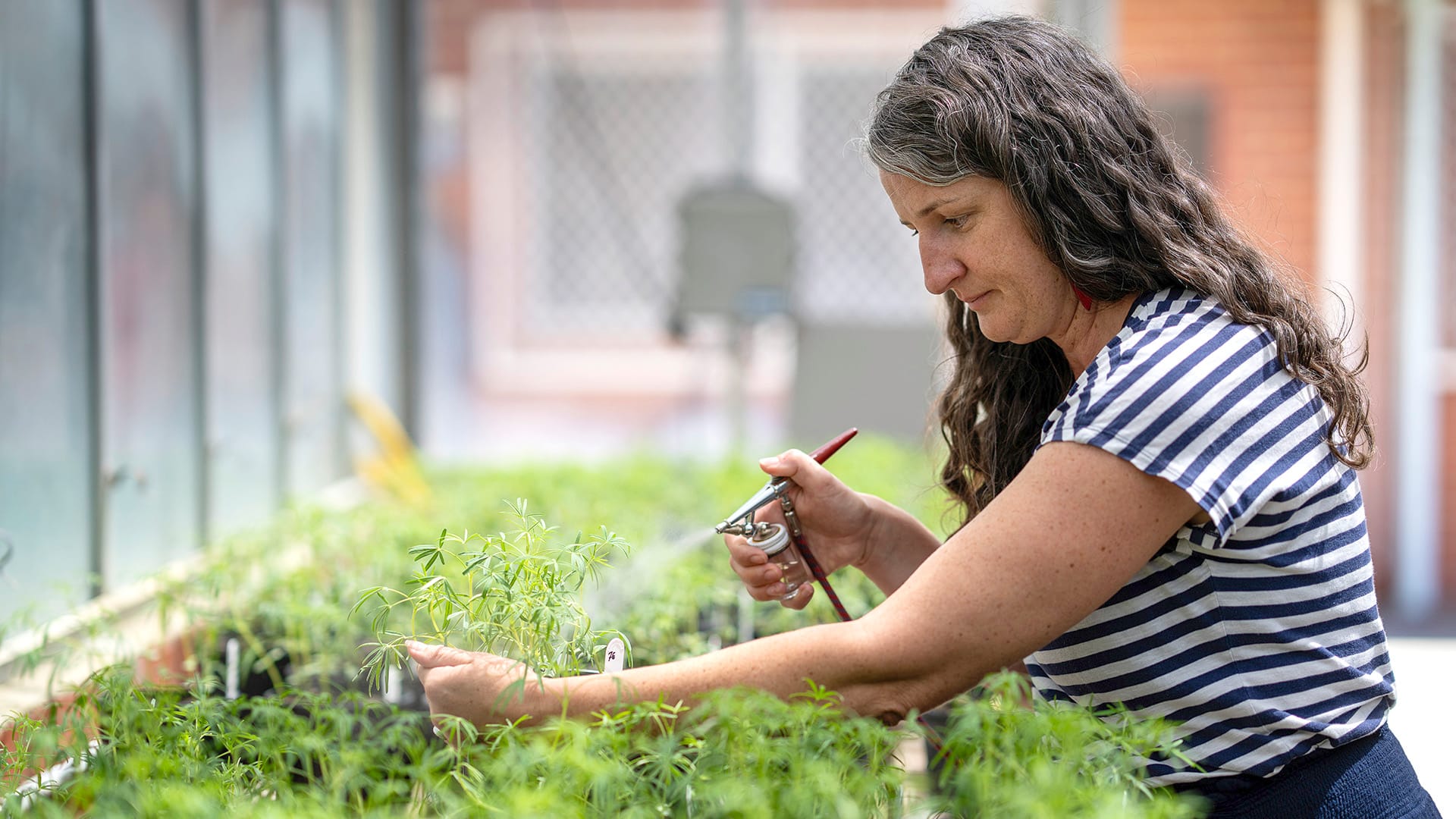
“We are working to improve disease screening methodologies using new inoculation techniques, molecular tools, hyperspectral imaging and machine learning to improve the accuracy and efficiency of screening for disease which will complement our traditional glasshouse and field assays.”
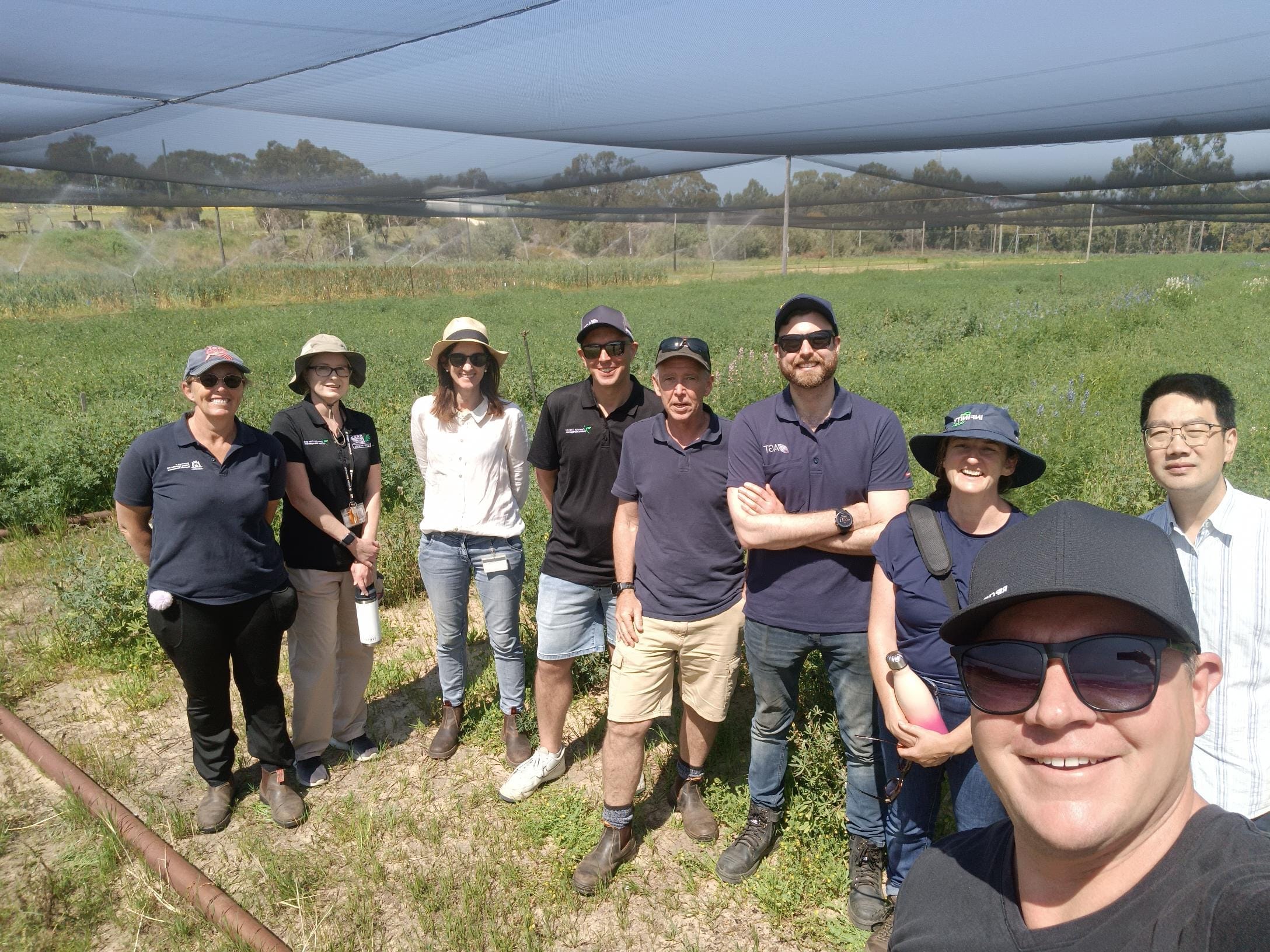
Dr Gough’s work spans the field, glasshouse, and laboratory.
During the lupin season from May to November, most of her time is spent conducting field and glasshouse disease assessments.
While outside the season, the focus is on seed testing, data analysis, and report writing.
Strengthening disease resistance in WA’s lupin crop
The work being undertaken by Dr Gough and her team reflects the importance of lupins to WA’s grain industry.
The crop plays a critical role in crop rotations, helping improve soil fertility while also producing a high-protein grain used in livestock feed and food products.
“Narrow-leaved lupin is exceptionally well suited to WA’s deep, acidic sandy soils, and WA produces around 80 per cent of global NLL supply,” she said.
“Lupins provide major benefits to cropping systems, including biological nitrogen fixation and improved nutrient availability for subsequent cereals.
“By strengthening disease resistance and improving yield stability, our project aims to future proof the lupin industry for WA growers and contribute globally to sustainable, plant protein–rich farming systems.”
While Dr Gough feels a certain sense of thrill in being the first person to identify a germplasm line that shows genuine resistance, it is the agricultural industry at large she finds most rewarding.
More broadly, she is inspired by the resilience and innovation of WA’s agricultural community.
“We farm in some of the toughest environments in the world yet consistently achieve remarkable productivity across food and grain systems,” she said.
“Being part of the research effort supporting growers, agronomists and industry is incredibly rewarding.”
For students considering careers in agricultural science, she encourages them to follow what genuinely interests them and sparks their curiosity.
As an incredibly diverse industry, agriculture is a rewarding field with opportunities ranging from lab-based discovery to fieldwork, data science, policy and beyond.
“Research in agriculture often involves working with multidisciplinary teams so don’t be afraid to speak up, ask questions, and learn from people outside your immediate area of expertise,” Dr Gough said.
“Some of the most exciting insights come from those interdisciplinary conversations.”
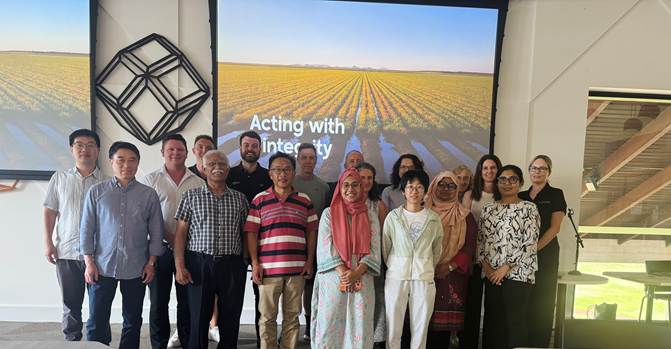
Dr Gough’s career reflects the breadth of modern agricultural science, spanning plant pathology, soil biology and applied breeding research across multiple countries and production systems.
As her work helps strengthen the future of narrow-leaved lupin in WA, it also highlights the value of science that connects discovery with practical outcomes for growers and the broader grains industry.
Through the WA Agricultural Scientist Spotlight series, WAARC celebrates the contributions of researchers like Elaine Gough, whose work exemplifies the dedication and innovation needed to advance agricultural science in Western Australia.
By sharing their stories, the series aims to inspire a new generation to pursue careers in this vital field, ensuring the State remains at the forefront of agricultural research and sustainability.