


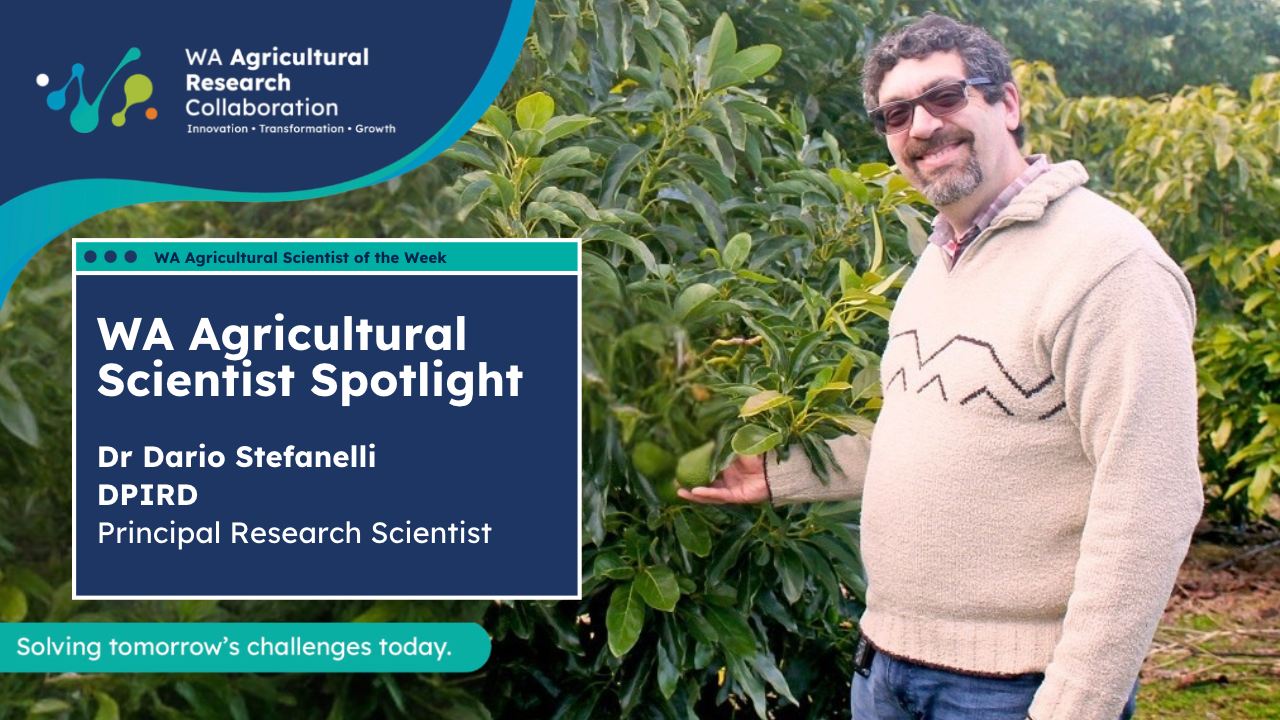
Every fortnight, the WA Agricultural Scientist Spotlight shares the stories of the people helping shape Western Australia’s agricultural future, highlighting their career journeys, research achievements and the ideas driving progress across the sector.
This edition features Dr Dario Stefanelli, Principal Research Scientist at the Department of Primary Industries and Regional Development (DPIRD), whose international career has taken him from fruit research in Italy and the United States to horticultural science in Victoria and Western Australia.
Today, Dr Stefanelli leads DPIRD’s Fruit and Perennial Crops group, overseeing research aimed at improving the productivity, resilience, market access and reputation of WA’s fruit industries.
A passion rooted in fruit
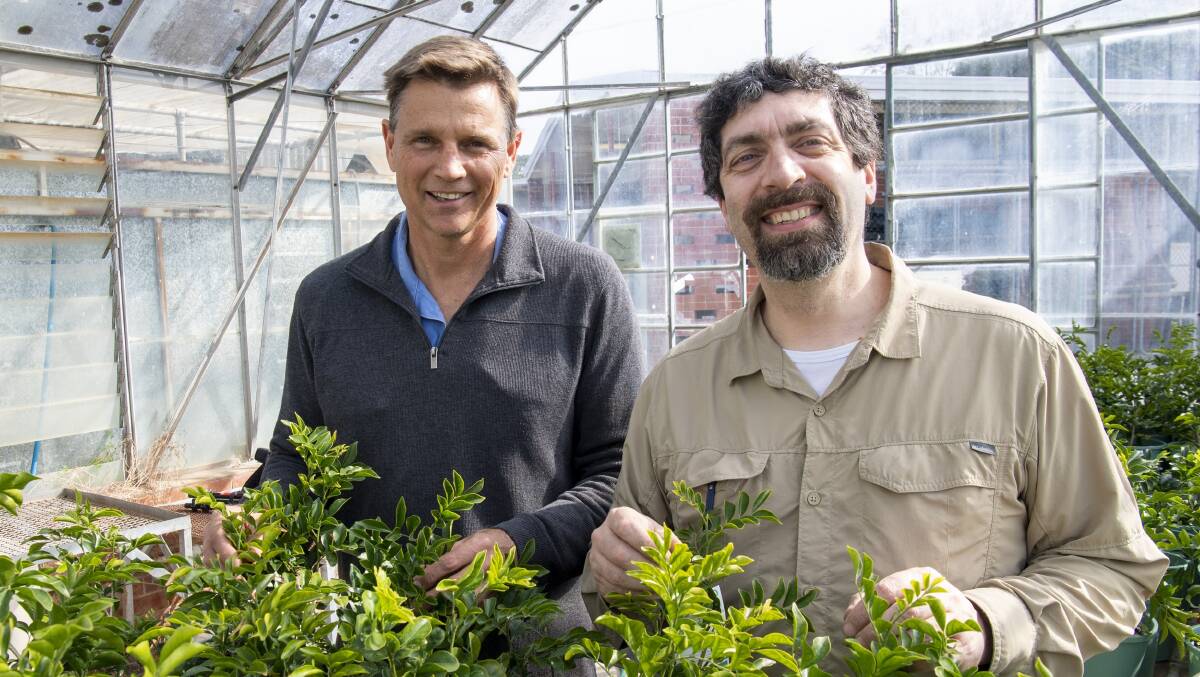
Dr Stefanelli’s interest in agricultural science began early, growing up around his family’s fruit tree farm in Italy and developing an appreciation for fruit picked mature and fresh from the tree.
For him, that interest was always connected to a broader belief in the importance of food and the enjoyment it can bring.
“I always wanted to share this passion because to me food is the most important and fundamental part of human life,” Dr Stefanelli said.
“Moreover, good food, besides satisfying a most important need, it also makes people smile and increases people’s happiness.”
At 13, he wanted to attend an agricultural high school, but his parents encouraged him to first complete a broader science education and pursue agriculture at university if the interest remained.
His response set the direction for the career that followed.
“My classical standard teenager answer to that ‘parental dictat’ was if I had to go to university, then I would become a scientist and researcher in agriculture,” he said.
“My parents accepted the compromise and here I am 43 years later, still strong in my original conviction and philosophy.”
Taking horticultural science around the world
Dr Stefanelli went on to study agriculture at the University of Bologna in Italy, undertaking practical training and international exchanges in the Netherlands and at Washington State University in America along the way.
He completed a Master in Horticulture focused on pear fruit quality, before spending another three years in Bologna working on cultivar and rootstock evaluation for breeding programs and organic apple production.
An opportunity to move to Michigan State University followed, where he completed a PhD in Horticulture investigating the effects of rootstocks and orchard floor management on root behaviour and fruit quality in organic apple production.
He remained at Michigan State for postdoctoral research on crop load in table and juice grapes before moving to Australia in 2007 to join Agriculture Victoria.
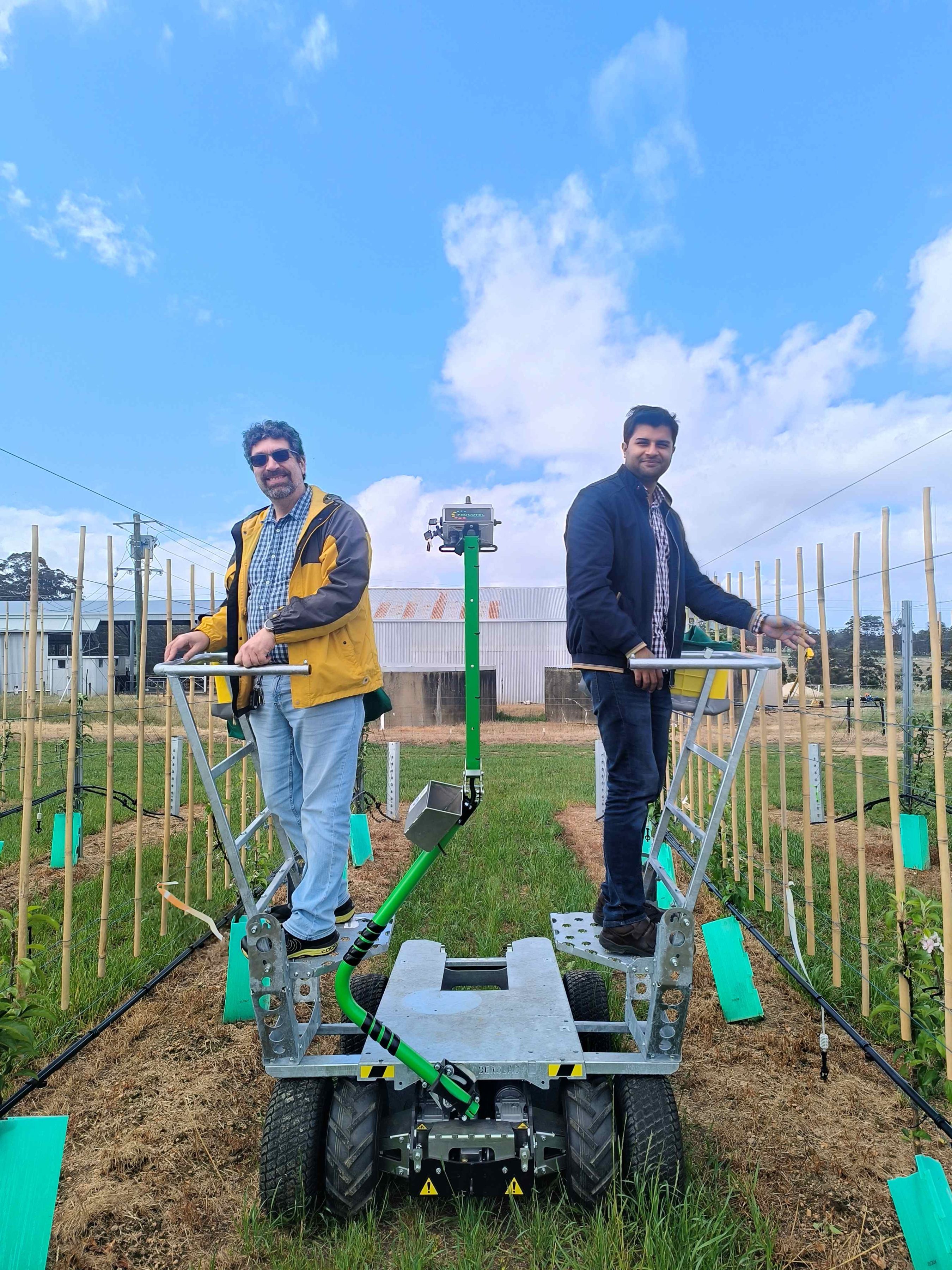
There, his research increasingly focused on the relationship between what happens in the orchard and the quality of fruit ultimately experienced by consumers, including optimal harvest timing and pre- and post-harvest management.
“My path to being a scientist started by following the academic direction with a more practical whole-plant physiology application,” Dr Stefanelli said.
“After I moved to Australia and started to work for a State research provider organisation, the focus has been more on applied science than blue-sky academics.
“However, the scientific method and the need to communicate the results to both scientific and industry communities is a fundamental aspect of any path I followed.”
After 13 years in Victoria, Dr Stefanelli moved to Manjimup in 2020 to take up his current role in WA.
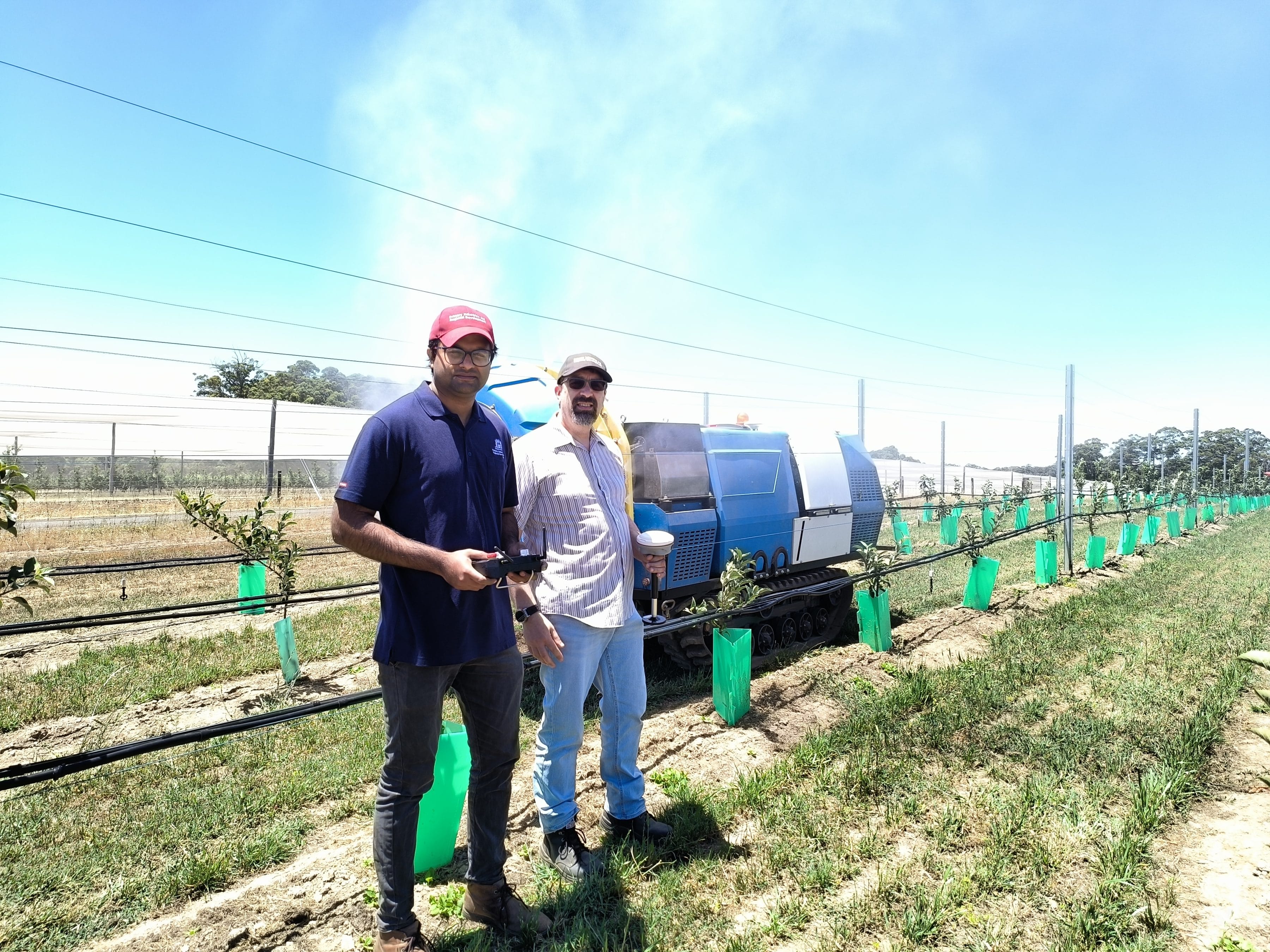
His career across Europe, the United States and Australia has given him exposure to different production systems, research cultures and horticultural industries.
“I believe the major experiences that led me here stem mostly from the internationality of my condition,” he said.
“For this reason, I am unafraid of new situations and meeting new people.”
Leading research across WA fruit industries
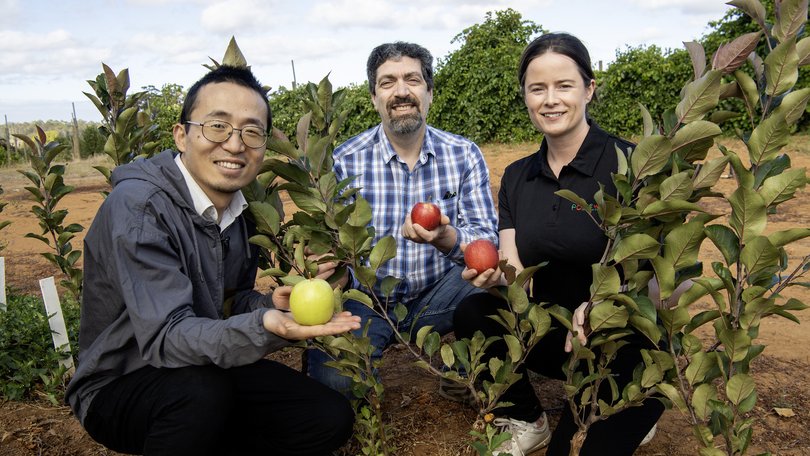
Dr Stefanelli now leads a team of 15 people within DPIRD’s Fruit and Perennial Crops group, managing both staff and a portfolio of research projects across avocado, apple, citrus, wine and table grapes and mango, with kiwifruit also a potential future focus.
His role spans the full research cycle, from identifying emerging industry needs and developing project ideas to securing funding, allocating staff, monitoring delivery and maintaining relationships with stakeholders.
While the priorities vary between crops and industries, the broader objective remains consistent.
“In general, I would say the common aim and what is drawing me to further research into it, is to support WA’s horticulture fruit sectors by contributing to their sustainable growth through enhancing productivity, maintaining market access, resilience and reputation,” Dr Stefanelli said.
“At this stage, I do more thinking and less experimental work, but I have been involved in planning many of the experiments undertaken by my group, so it is still highly satisfactory from a scientific and curiosity point of view.”
The reach of the group’s work extends across fruit production in WA, with research intended to strengthen the long-term viability of the industries it supports.
Further to that, Dr Stefanelli also sees a wider role for horticultural research beyond industry productivity and market performance.
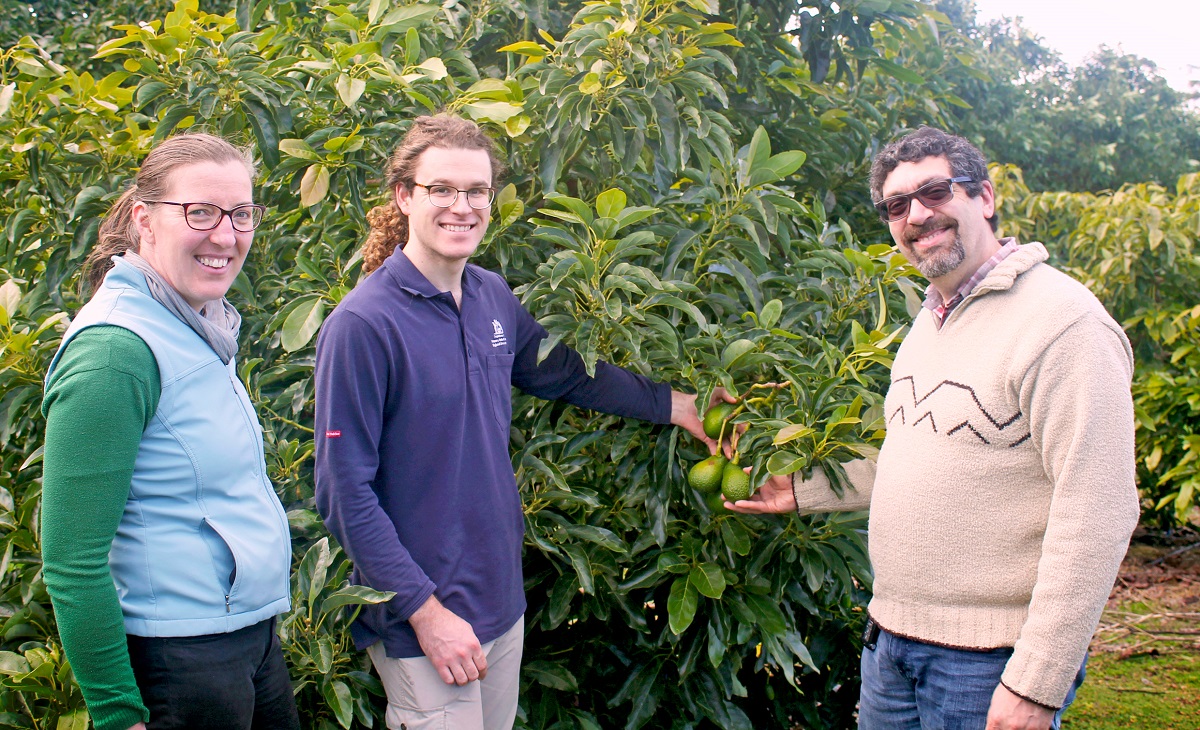
“Considering my group is responsible for research on all fruit grown in WA, I would say the major contribution is toward the sustainability and viability of the horticulture fruit industry in WA,” he said.
“Globally, I would say it is a small step in assuring food security, and considering a major aim is to deliver the best fruit that satisfies consumer demand, which would lead to higher consumption, I would also say a small improvement in general health.”
From research to better fruit
One of Dr Stefanelli’s proudest achievements came from his work in Victoria on identifying the optimal harvest timing needed to deliver high-quality stone fruit to consumers.
He helped introduce the concept in Australia, supported the adoption of technology including the DA-Meter to assess fruit maturity, and encouraged further research which contributed to the development of new measurement technology.
“All of it is leading to tastier fruit, but most importantly to an improved reputation for Australian stonefruit in international markets,” Dr Stefanelli said.
“I don’t claim to have done everything myself since I was leading a group of people working on it, but I do claim the general concept and where it led to.”
That focus on delivering fruit which meets consumer expectations remains central to his work in WA, where his group’s research contributes to the long-term viability of industries producing fruit across the State.
For students and early-career scientists, Dr Stefanelli’s advice reflects a career which has involved moving between countries, institutions, crops and research questions to keep pursuing work he finds meaningful.
“Always aim for the stars and take any job you like that moves you in that general direction, then do your best in it,” he said.
“Be conscious the job you would like is probably not just around the corner, and you may have to go where the job is.”
From a childhood enthusiasm for fresh fruit to leading research across WA’s horticultural industries, Dr Stefanelli has built his career around understanding what makes fruit better and applying that knowledge from the orchard through to the consumer.
At DPIRD, that means helping WA fruit industries remain productive, resilient and competitive while continuing to deliver the quality which first drew him to horticulture.
Through the WA Agricultural Scientist Spotlight series, WAARC celebrates the contributions of researchers like Dario Stefanelli, whose work exemplifies the dedication and innovation needed to advance agricultural science in Western Australia.
By sharing their stories, the series aims to inspire a new generation to pursue careers in this vital field, ensuring the State remains at the forefront of agricultural research and sustainability.