

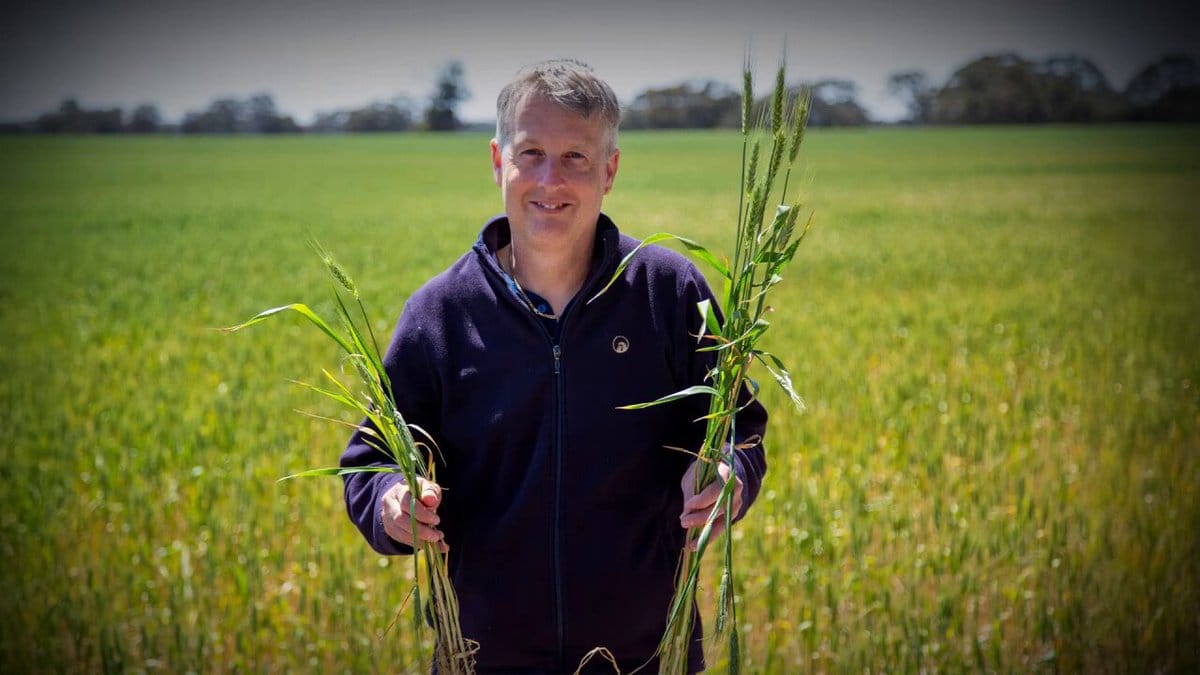

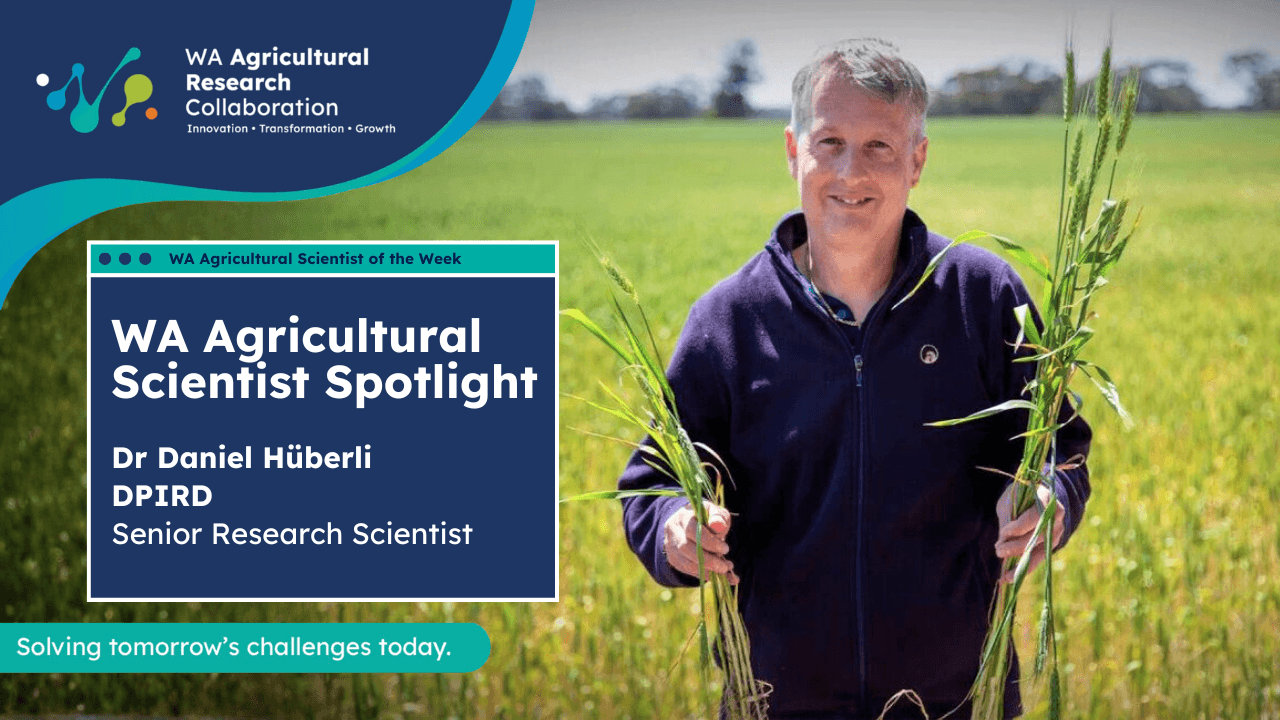
Through the WA Agricultural Scientist Spotlight, the WA Agricultural Research Collaboration (WAARC) celebrates the researchers whose curiosity, persistence and expertise shape the future of farming in Western Australia.
This edition features Dr Daniel Hüberli, Senior Research Scientist at the Department of Primary Industries and Regional Development (DPIRD), whose life and career have been guided by a deep connection to landscapes, ecosystems and the unseen complexities of plant health.
His story begins far from the Wheatbelt – in the valleys of Switzerland – before weaving through Californian forests and ultimately settling in the soils of WA’s grainbelt.
Early years shaped by landscapes, food and family
Dr Hüberli’s love of plants and rural life began long before he became a scientist.
Part of his childhood was spent in Switzerland, where his grandparents were dairy farmers, and those early impressions left a lasting mark.
“I was captivated by the rhythms of rural life,” Dr Hüberli said.
“The sound of cowbells across the valley and the smell of freshly made Swiss cheese.”
When his family later moved to Australia, he encountered landscapes entirely unlike the European ones he had known.
Western Australia’s open skies, ancient soils and hardy native vegetation stirred a different kind of fascination.
“I was struck by the vastness of its landscapes,” Dr Hüberli said.
“Over time, this connection to place deepened into a desire to understand how plants survive and thrive, and how science can support the people who work these landscapes every day.”
It was this growing curiosity, shaped by two very different environments, that would eventually point him toward plant science.
When Dr Hüberli began his Biological Science degree at Murdoch University, he initially planned to become a veterinarian.
But the more he studied, the more he gravitated toward plant biology and plant health.
“Along the way, I realised that instead of treating animals, I wanted to understand what keeps plants healthy,” he said.
“So I became a different kind of doctor – a plant doctor, or a plant pathologist.”
That change in direction set him on a path that would define his career.
He continued at Murdoch University to complete his PhD in 2002, focusing on Phytophthora jarrah dieback, a disease devastating WA’s iconic jarrah forests.
His research uncovered new insights into how the pathogen interacts with trees, soils and climate.
“That work cemented my lifelong interest in understanding and managing plant diseases,” Dr Hüberli said.
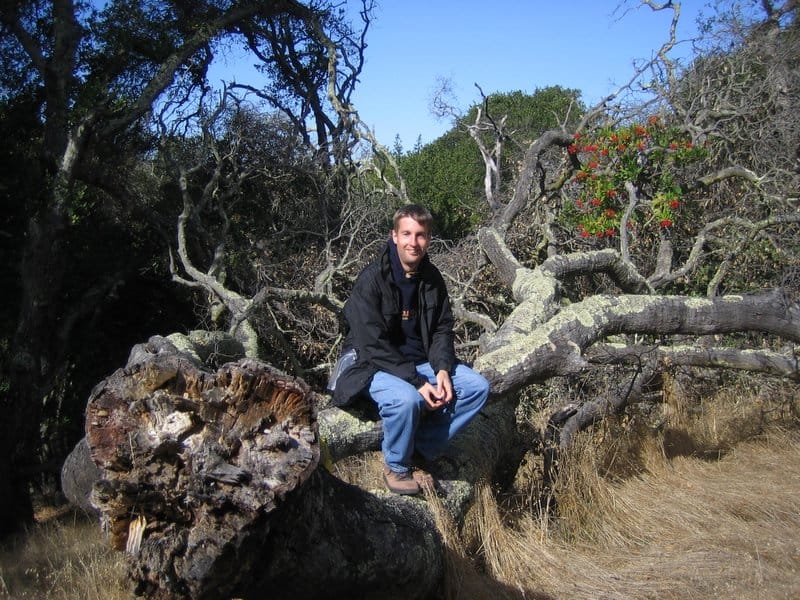
After finishing his doctorate, Dr Hüberli moved to the United States to undertake a postdoctoral position at the University of California, where he studied sudden oak death, another highly destructive tree disease.
Working in Californian forests expanded his understanding of how pathogens move through ecosystems, how environmental factors shape disease spread, and how science can guide management responses at a landscape scale.
These forest-based experiences provided the ecological grounding that would later become invaluable when he transitioned to agricultural systems.
But at the time, agriculture was not yet on his radar.
A move into agriculture – and a new scientific chapter
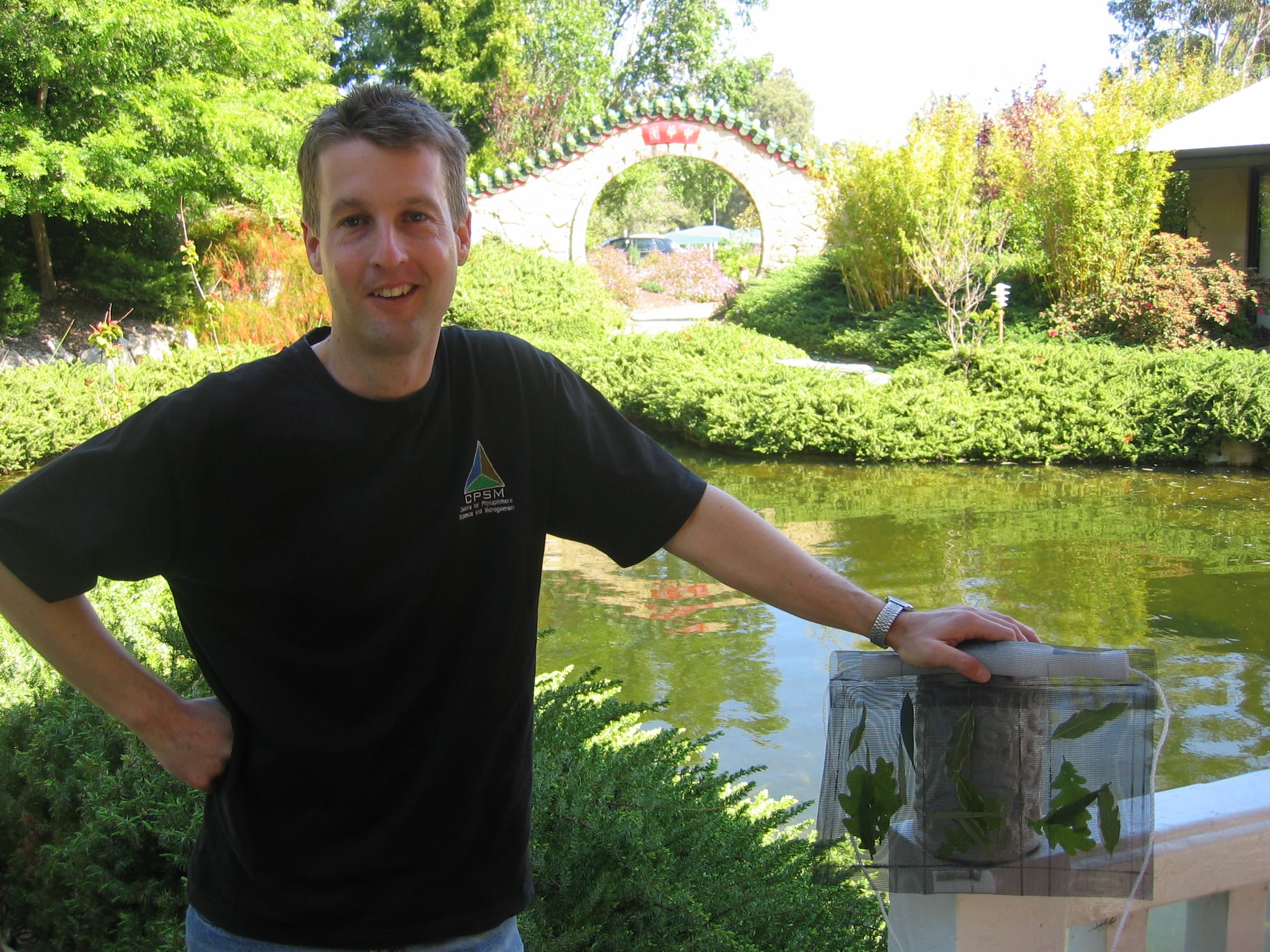
Upon returning to Western Australia, and doing a short stint at Murdoch University as a postdoc, Dr Hüberli joined DPIRD in 2009 as a plant pathologist specialising in fungal soilborne diseases of broadacre crops.
It was a shift from forests to wheat and barley, and although the transition was significant, the core scientific questions remained familiar – how pathogens interact with soils, roots, climate and management practices.
“My pathway into agricultural science was certainly not direct,” Dr Hüberli said.
“But each step strengthened the scientist I am today.”
As he settled into agricultural research, he began building expertise in the diseases affecting WA cereal crops and developing the collaborations, field experience and diagnostic capability that would underpin the next stage of his career.
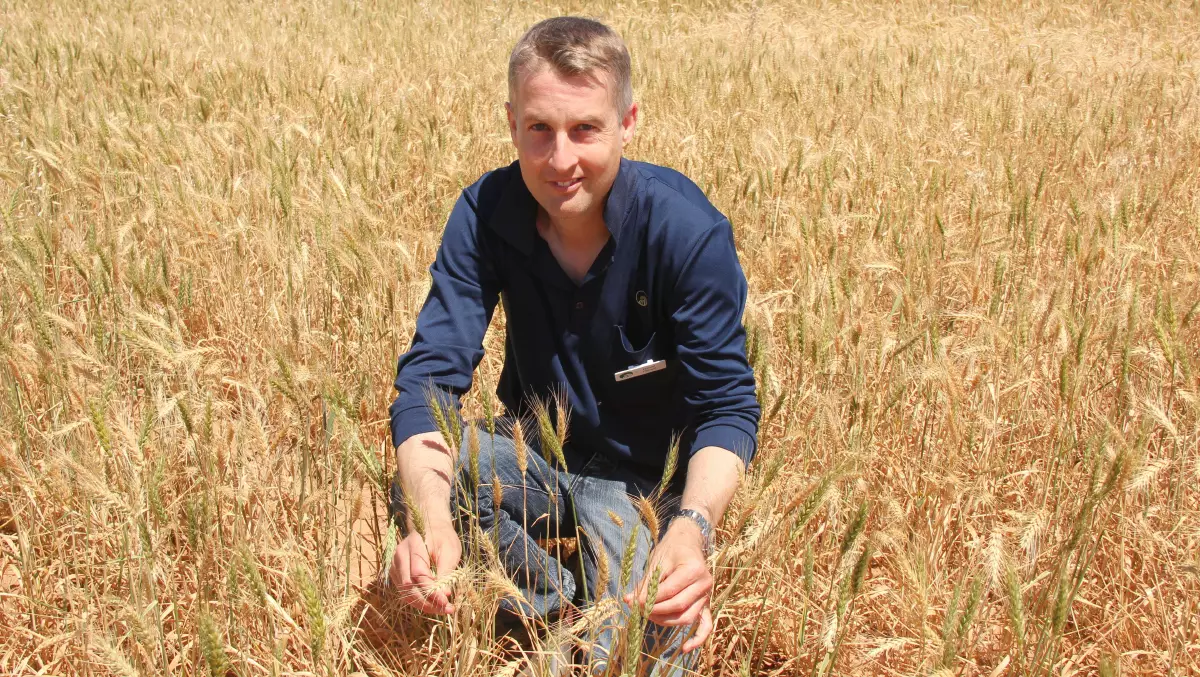
Today, as a Senior Research Scientist, Dr Hüberli leads a team focused on fungal soilborne diseases of cereals.
His role spans research design, project management, national coordination and industry engagement, and he manages several major initiatives that support growers across WA and beyond.
“Each role, from researcher to mentor, collaborator to team leader, has shaped my path in agricultural science,” Dr Hüberli said.
A significant part of his work is delivered through the national Grains Research and Development Corporation (GRDC) Soilborne Disease Initiative, where he serves as the Western Node Leader for Program 3 – Integrated Disease Management.
He also holds the role of National Rhizoctonia Leader, guiding research efforts across multiple states to better understand and manage one of the grain industry’s most persistent diseases.
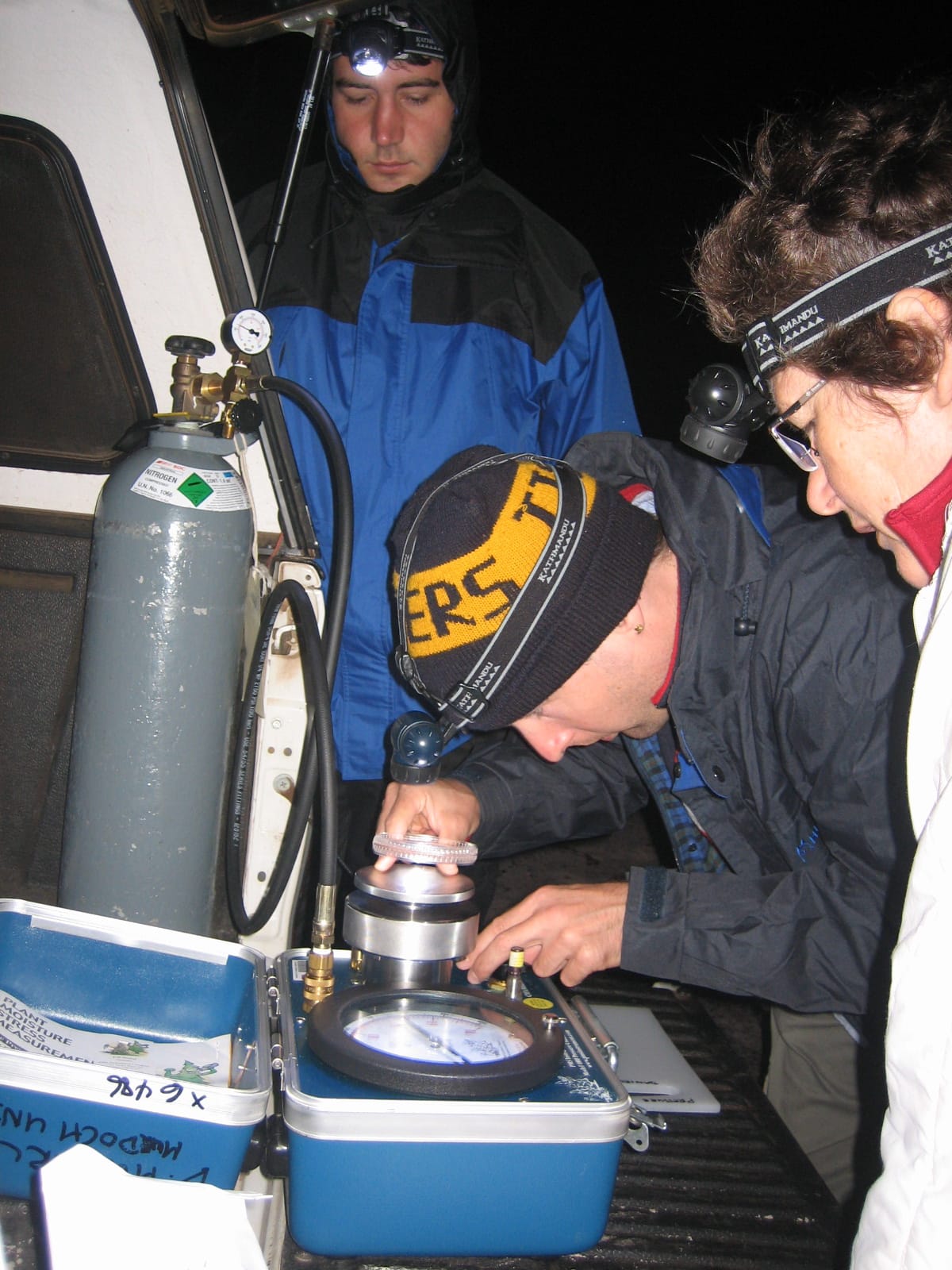
A typical week blends research planning with field trial supervision, laboratory work, data analysis and report writing.
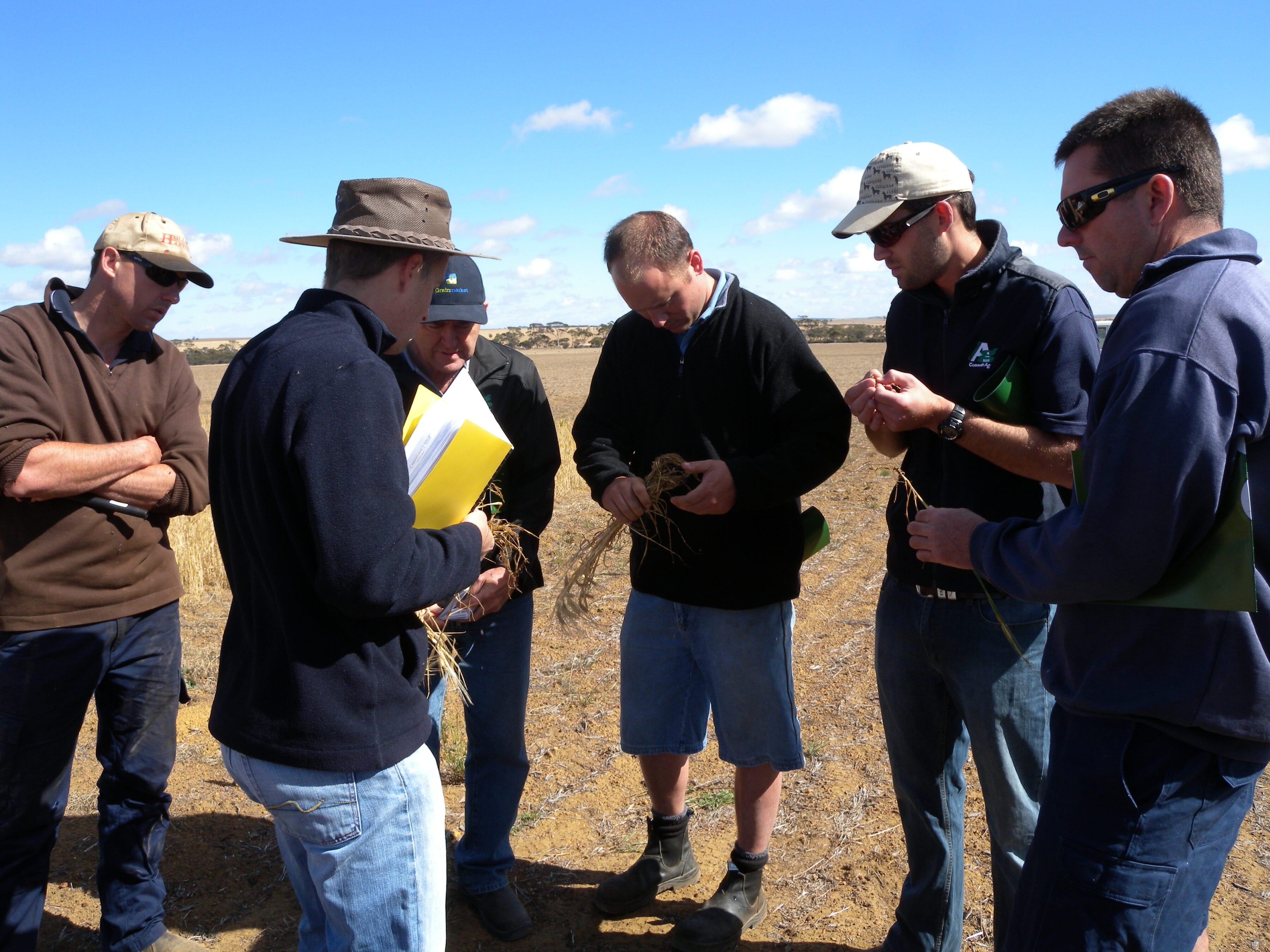
Much of his time is spent engaging with growers, grower groups and agronomists to ensure research remains aligned with on-ground needs, while also supervising students and early-career scientists and contributing to cross-state collaboration.
“The most fulfilling part of my work is seeing scientific knowledge translated into real impact for growers,” Dr Hüberli said.
“No two weeks look the same, which is one of the most enjoyable aspects of the job.”
“And whilst I don’t get to go outdoors as often, I thoroughly enjoy being out in the Wheatbelt doing field work or engaging with agronomists and growers.”
Understanding the hidden enemies beneath our crops
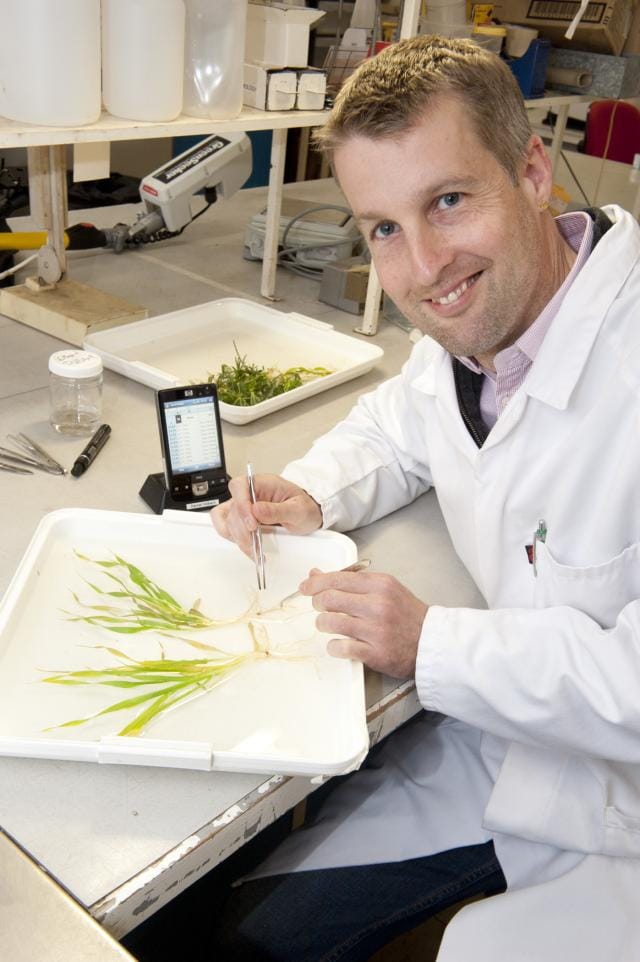
Dr Hüberli’s current research focuses on major fungal soilborne pathogens that present significant economic challenges for cereal production in Western Australia and nationally.
Two of his key targets are Rhizoctonia solani AG8, the cause of Rhizoctonia root rot, and Fusarium pseudograminearum, which causes crown rot.
These pathogens are often described as “hidden” because they remain out of sight below ground, with symptoms only becoming obvious when yield declines.
The work brings together field trials, molecular diagnostics and systems-level ecology to identify practical, scalable management solutions.
“Soilborne diseases are hidden problems with large economic impacts, and solving them requires a blend of ecology, pathology, and systems thinking,” Dr Hüberli said.
“I am particularly interested in how farming systems, soil health, amelioration practices, rotations, and chemical or biological treatments affect these diseases.”
Impact, capability and a commitment to future generations
Beyond the scientific discoveries themselves, Dr Hüberli’s contribution to agriculture is reflected in the capability he has helped build within DPIRD and across the wider plant pathology community.
Strengthening diagnostic and molecular capacity within the department is something he is particularly proud of.
“One of my proudest accomplishments is helping build molecular science capacity within DPIRD’s Fungal Root Pathology team,” Dr Hüberli.
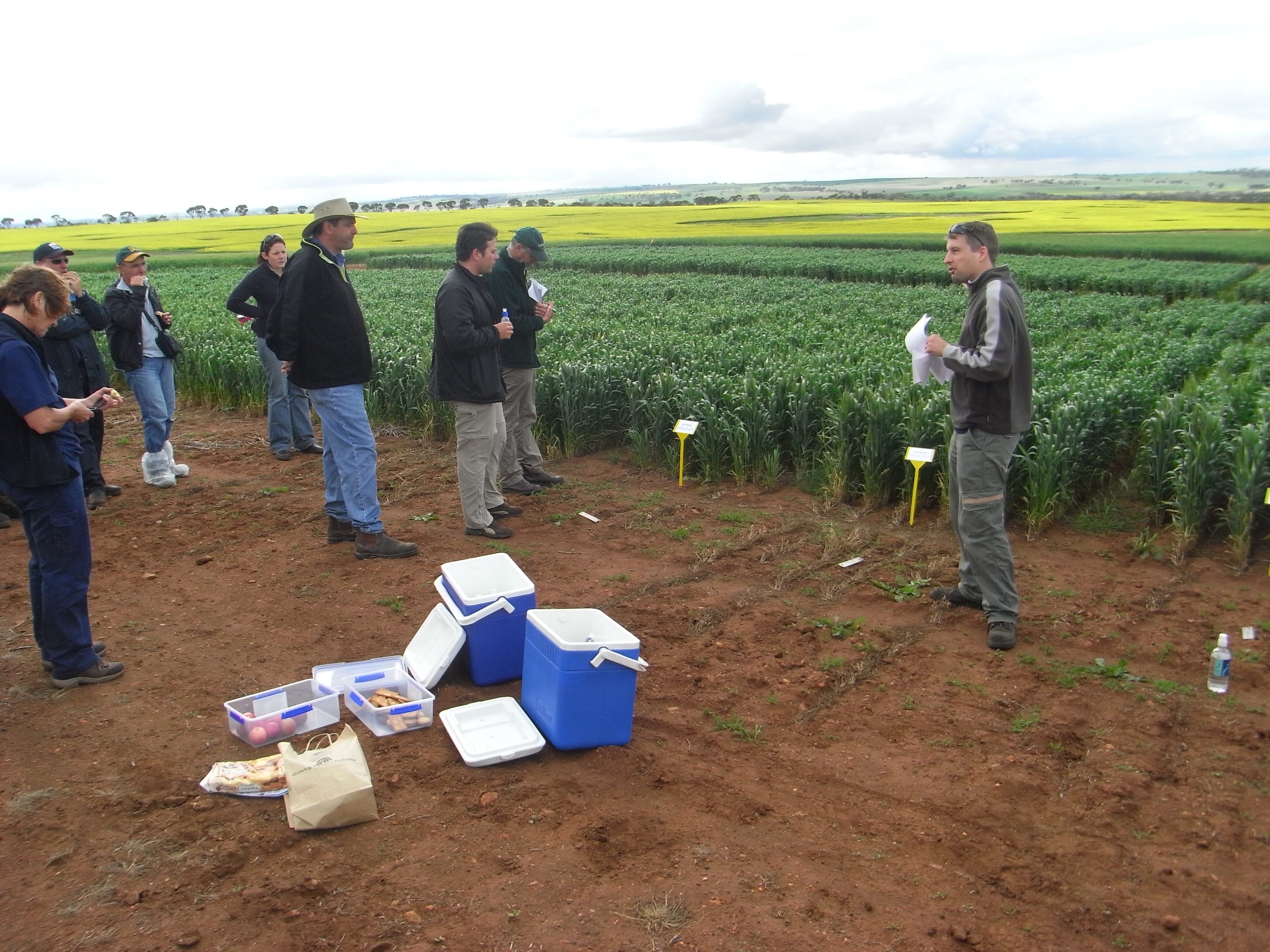
By mentoring molecular specialists and integrating DNA-based tools into routine research, he has helped ensure that WA growers benefit from a more precise, evidence-driven understanding of soilborne diseases.
This focus on people and capability became especially important during one of the biggest organisational shifts in recent departmental history – the closure of DPIRD’s South Perth site.
The transition required careful navigation of infrastructure changes, project continuity and staff wellbeing.
“Leading my team through that period, ensuring continuity of research, supporting wellbeing and maintaining project delivery, was incredibly challenging,” Dr Hüberli said.
Yet the move also signalled a moment of renewal, and his team are now all looking forward to their next chapter at the new headquarters at Jandakot.
Dr Hüberli’s contribution also extends internationally through his role as editor of the International Society for Plant Pathology (ISPP) newsletter, where he helps share Australian research with the global plant pathology community and keeps WA’s low-rainfall systems connected to international conversations.
As he looks to the future, Dr Hüberli is deeply committed to supporting early-career researchers entering the field.
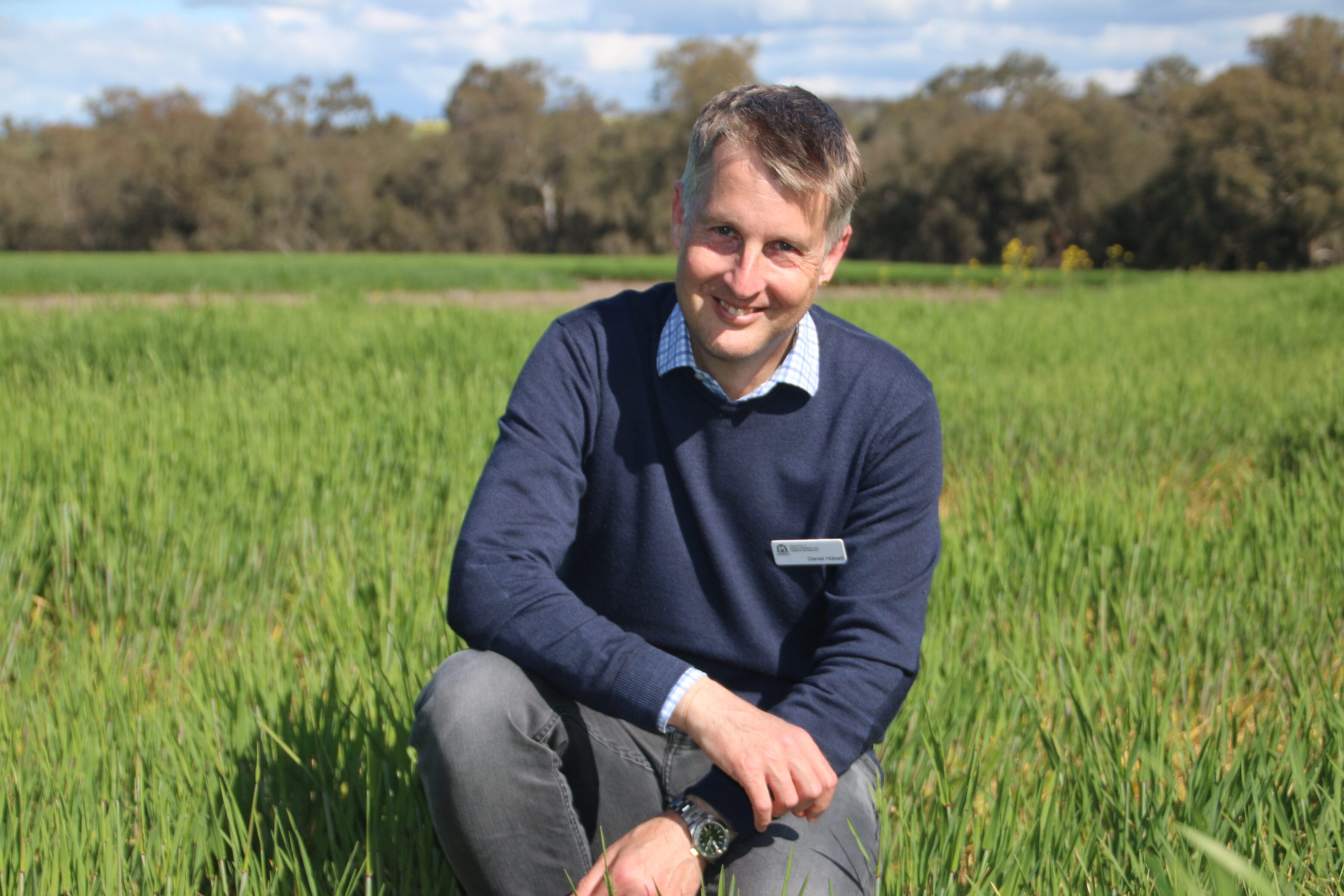
“Follow your curiosity and be open to unexpected pathways; my own journey changed direction more than once,” he said.
For him, agricultural science has always been grounded in service to growers, to communities, and to the landscapes that sustain them.
“Agricultural science is about people as much as plants,” Dr Hüberli said.
“Your work can help feed communities, support growers, and contribute to a more sustainable future.”
Through the WA Agricultural Scientist Spotlight series, WAARC celebrates the contributions of researchers like Daniel Hüberli, whose work exemplifies the dedication and innovation needed to advance agricultural science in Western Australia.
By sharing their stories, the series aims to inspire a new generation to pursue careers in this vital field, ensuring the State remains at the forefront of agricultural research and sustainability.