
Each fortnight, the WA Agricultural Scientist Spotlight showcases one of Western Australia’s leading minds in agricultural research.
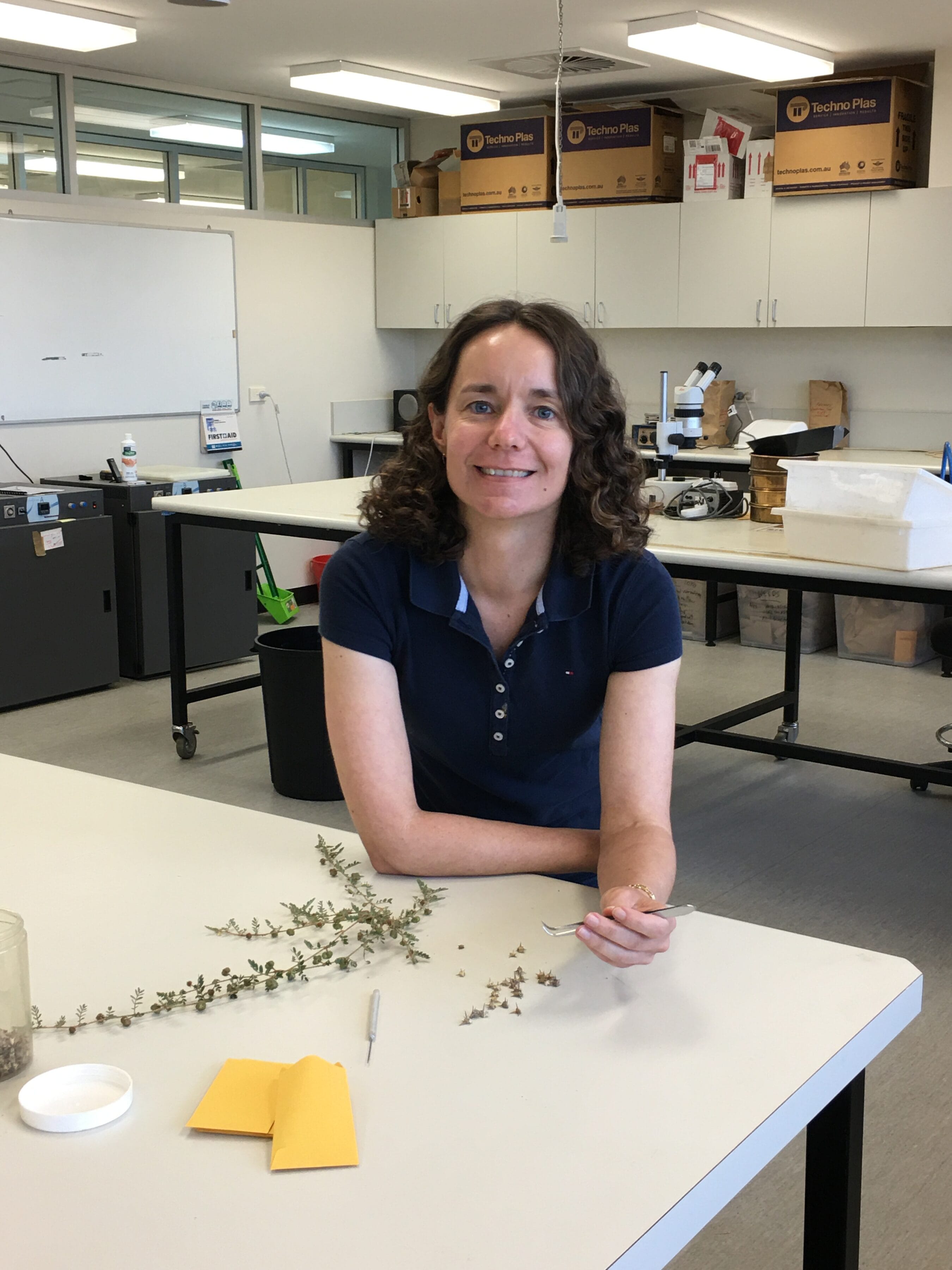
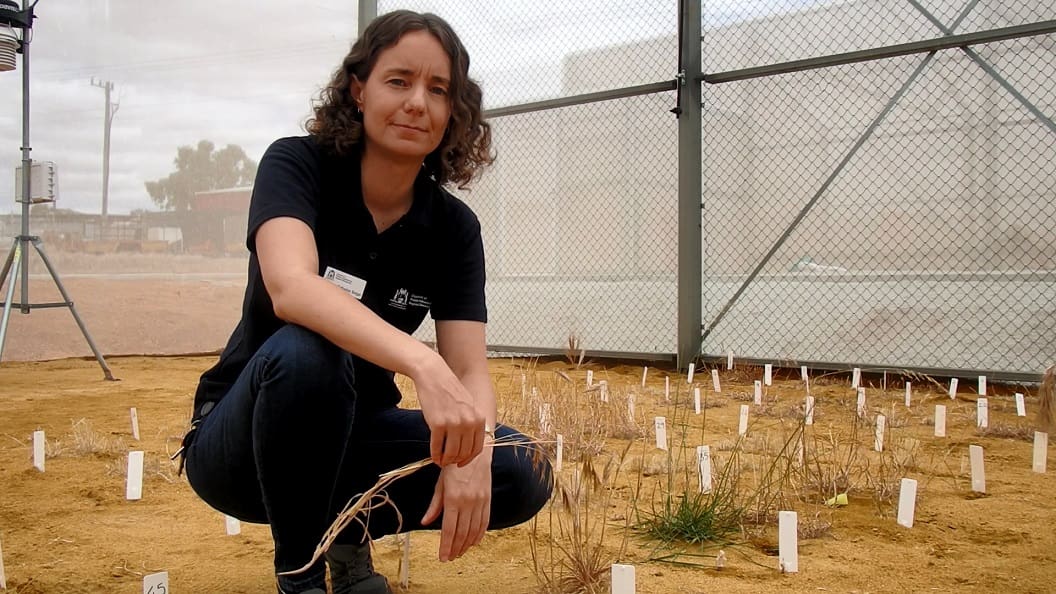
This week, we feature Dr Catherine Borger, Principal Research Scientist at the Department of Primary Industries and Regional Development (DPIRD).
With a career spanning from Merredin paddocks to cutting-edge electric weed control trials, Dr Borger’s journey is as unexpected as it is impactful.
From Perth suburbs to the Wheatbelt
Dr Borger’s roots lie far from the wheat fields and paddocks that now define her career, having grown up in suburban Perth, with little exposure to agriculture outside of petting zoos.
However, a love for science and the outdoors laid the foundation for her unexpected career path.
“I liked science, and I liked being outdoors, so when I saw a picture in a university pamphlet of a student standing outside measuring something in a wheat crop, I thought that was the right science for me,” Dr Borger said.
“Although with hindsight, I realise that whoever took that picture probably airbrushed out the flies.”
While she began her undergraduate studies with an open mind, it was a particularly memorable day at university that solidified her path toward plant science.
Dr Borger was in the animal house at The University of Western Australia (UWA), examining the intestinal capacity of multiple species.
It was a very hot day, and the air conditioning/extraction fans had broken down.
“It took quite a long time to completely flush out the bowels of multiple species, from sheep to rabbits to emus,” she said.
“I’m not naturally squeamish, but that afternoon helped me realise that my future lay in plant biology and ecology.”
Upon completing her undergraduate degree, Dr Borger moved to Merredin to begin her career in weed science.
It was there, surrounded by experienced researchers and real-world agricultural challenges, that her passion for the field was truly cemented.
“I learnt a lot from the Merredin team about what agriculture looked like in real life,” she said.
Dr Borger later returned to UWA to complete a PhD in weed science and plant ecology, and three years later, she had technically finished her educational journey.
“However, the best thing about agriculture is that there is something new to learn every day,” she said.
A career shaped by curiosity and collaboration
Over the years, Dr Borger has contributed to a wide array of projects that span the breadth of weed science, from plant ecology and agronomy to chemical interactions, modelling, and novel technologies.
“Different projects in the weed science space gave me a broad experience in different aspects of plant science,” she said.
“The range of new research directions have helped me grow professionally.
“The opportunity to lead projects and mentor new staff members has been a rewarding opportunity to watch others expand their enthusiasm for agriculture.”
Now a Principal Research Scientist, she continues to lead DPIRD’s Weed Science team.
Her days are varied, and while the work is rigorous, she appreciates the structure and dynamism of her role.
A typical day for Dr Borger starts with a 10-minute chat with the DPIRD Weed Science team she manages, to see what everyone is working on.
Then she spends about two to three hours answering emails, with a range of issues to address such as internal processes, project issues and queries about weed management from a wide variety of people or groups.
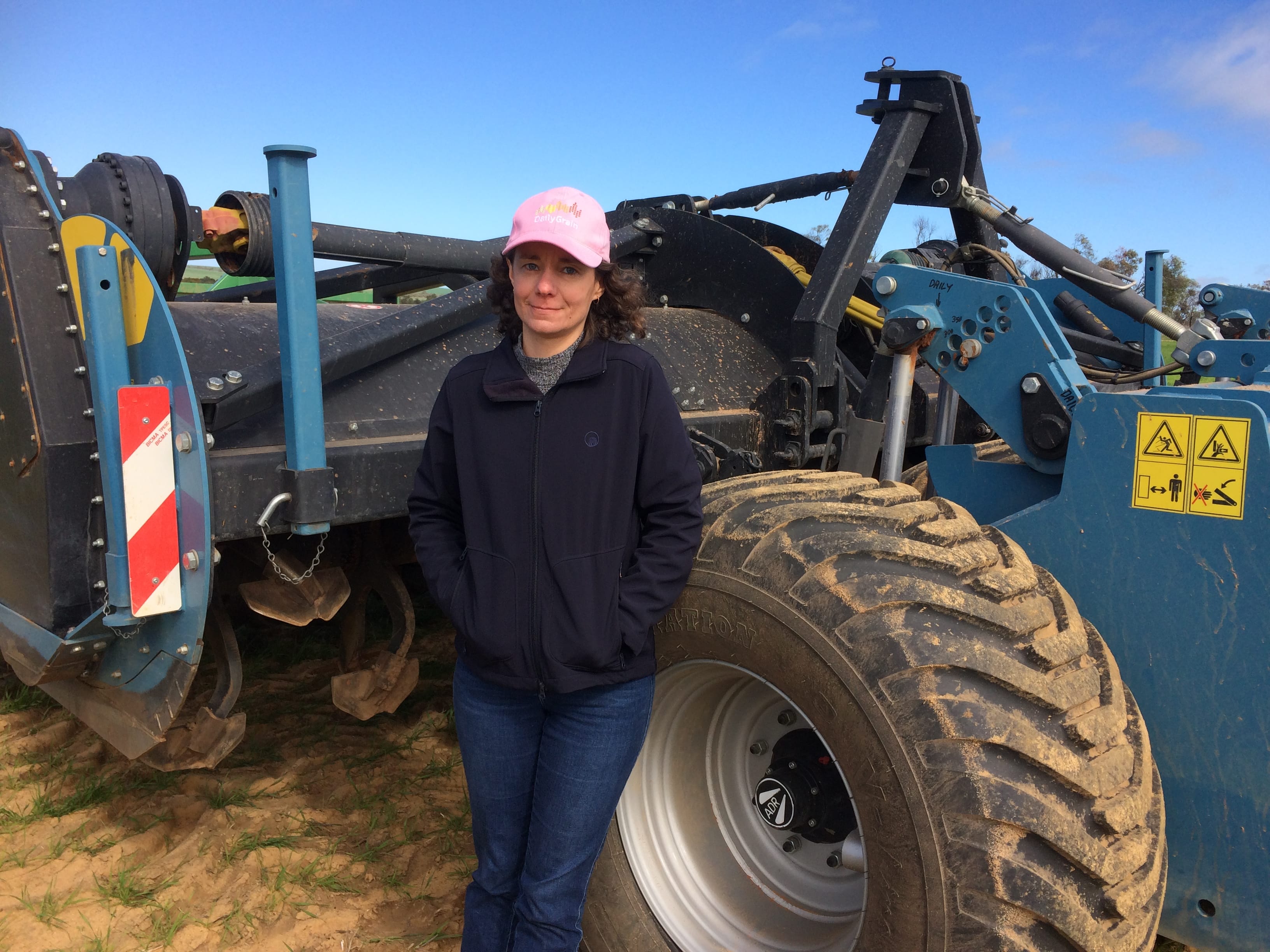
Afterwards she might conduct some field work, attend meetings, analyse and process trial results and write up or present research findings.
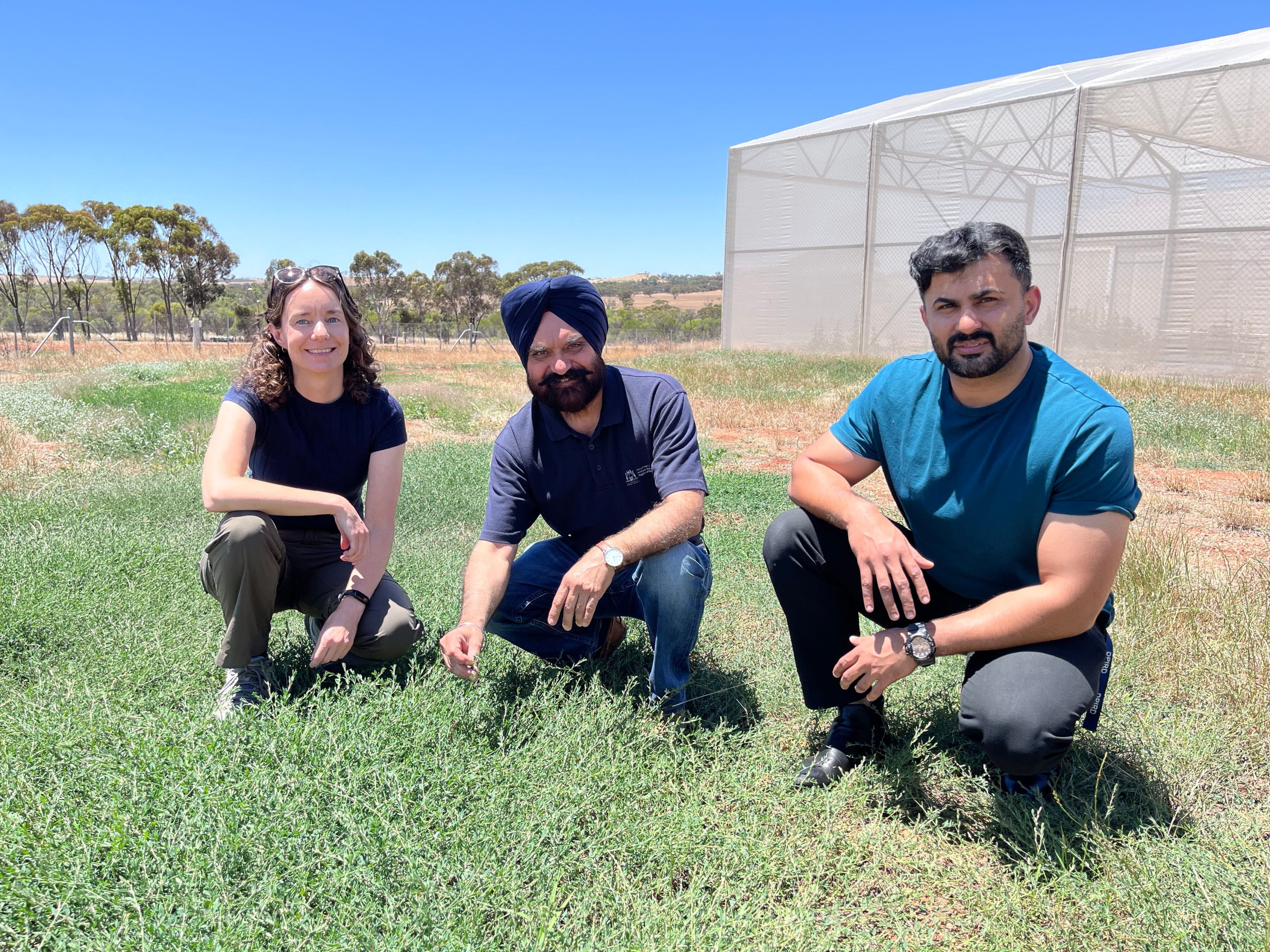
Researching for a changing climate
Dr Borger’s current work is highly responsive to emerging challenges in agriculture, particularly those posed by climate change.
Her team is focused on two key areas – alternative technologies for weed management and the ecology of expanding or problematic weed species.
“These areas of research are in response to climate change,” she said.
“Firstly, we need to reduce the carbon footprint of weed management by finding alternatives to broad scale, blanket herbicide use.
“Secondly, we need to investigate those weeds that are becoming more invasive or problematic due to the changing climate.”
The potential for impact in this work is far-reaching, and while based in WA, her research resonates well beyond the State’s borders.
“Our research aims to improve weed management and investigate biology and ecology of individual species to improve profitability and sustainability of grain cropping systems locally in WA,” Dr Borger said.
“However, our research is highly applicable to southern Australia, and Mediterranean agricultural systems globally.”
She points to her team’s work on electric weed control as a prime example of this international relevance.
New weed control technologies like electric weed control are under-researched internationally, and their findings were applicable to a wide range of cropping, horticulture, viticulture and urban weed management professionals.

A career of impact and mentorship
Dr Borger takes pride in her contributions to both research and people.
While she’s had major wins in the field, including international recognition for her work on crop orientation to suppress weeds, it’s her mentoring that she sees as her most enduring legacy.
“I think my role in mentoring young professionals to expand their skills and embrace their own career in agriculture makes the biggest difference to the industry long term,” she said.
Still, her personal research achievements have had wide appeal and generated strong interest across the industry.
“My work on crop orientation – orientating crop rows at a right angle to the sunlight direction to increase shading to weeds – is the section of research I feel the most proud of,” Dr Borger said.
“I had queries about that research from a very diverse range of growers from around the world who were excited to try the technique in their own corner of agriculture.”
She believes this is one of the most significant contributions she’s made to the international agricultural community.
To those considering a career in agricultural science, Dr Borger offers a realistic but encouraging perspective.
“Agriculture is a fast-changing industry, attracting professionals with an increasingly diverse range of skills,” she said.
“There is so much scope to expand your skills and find the area that excites you.”
From her unexpected start in the suburbs of Perth to her leadership in climate-resilient weed management, Dr Catherine Borger embodies the adaptability and curiosity at the heart of modern agricultural science.
Through her research, mentorship, and advocacy, she is helping to shape a more sustainable and informed future for farming in WA and beyond.
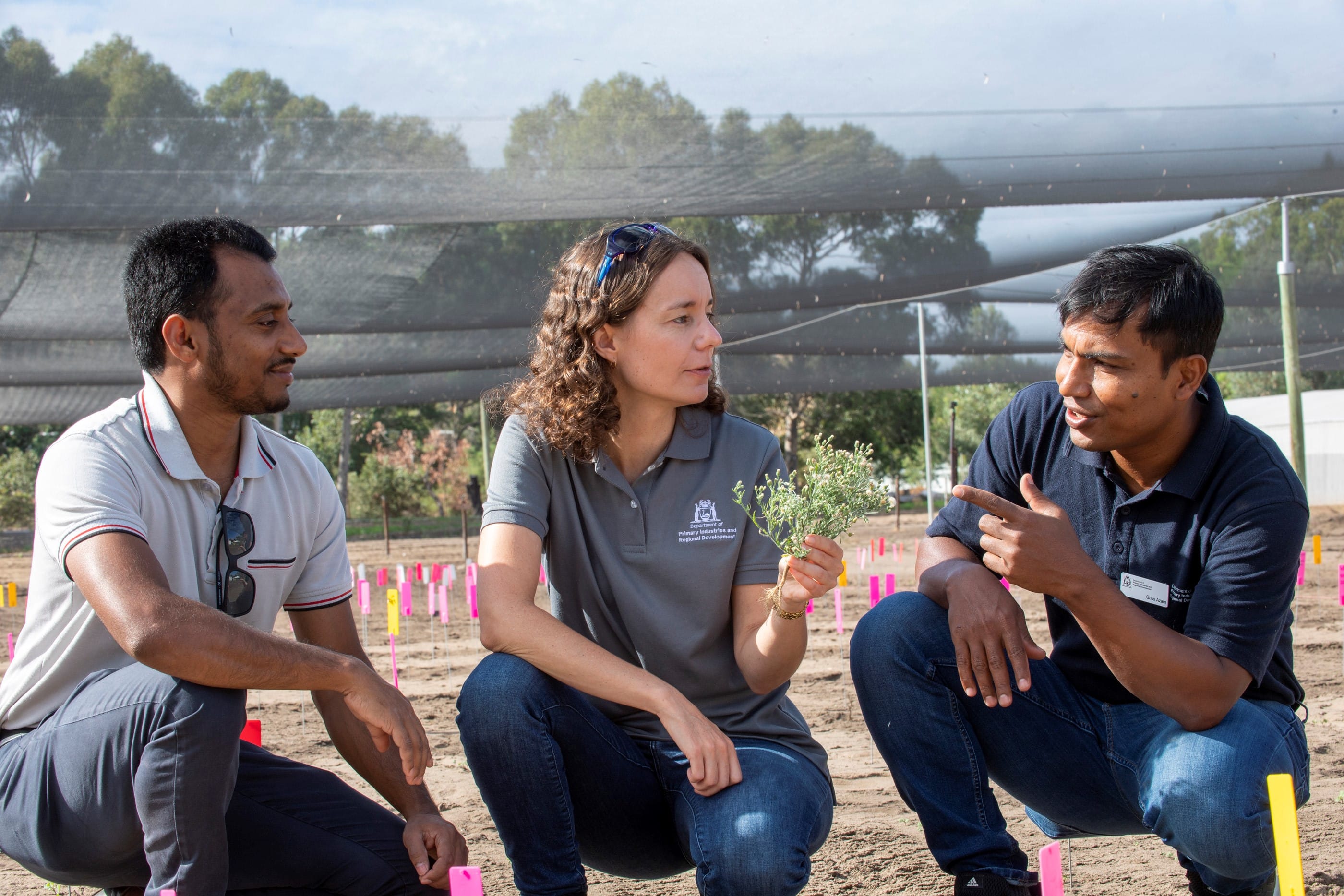
Through the WA Agricultural Scientist Spotlight series, WAARC celebrates the contributions of researchers like Catherine Borger, whose work exemplifies the dedication and innovation needed to advance agricultural science in Western Australia.
By sharing their stories, the series aims to inspire a new generation to pursue careers in this vital field, ensuring the State remains at the forefront of agricultural research and sustainability.