


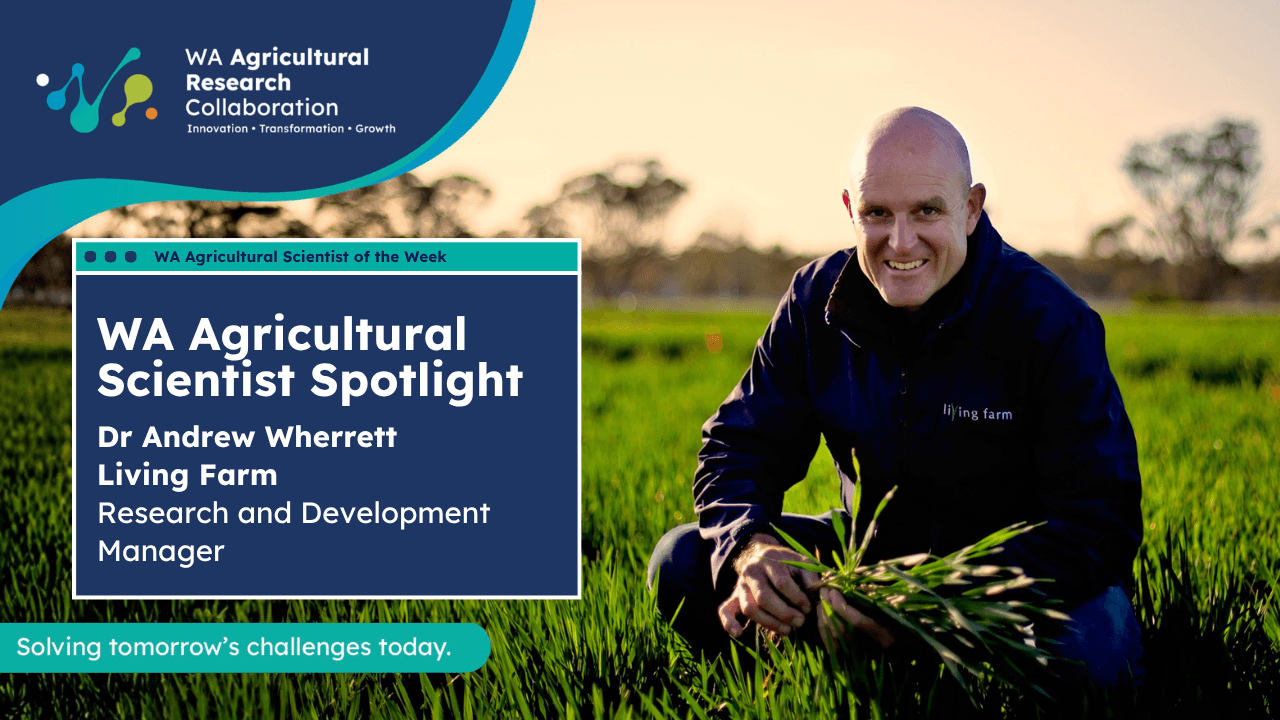
Every fortnight, the WA Agricultural Scientist Spotlight shares the stories of the people helping shape Western Australia’s agricultural future, highlighting their career journeys, research achievements and the ideas driving progress across the sector.
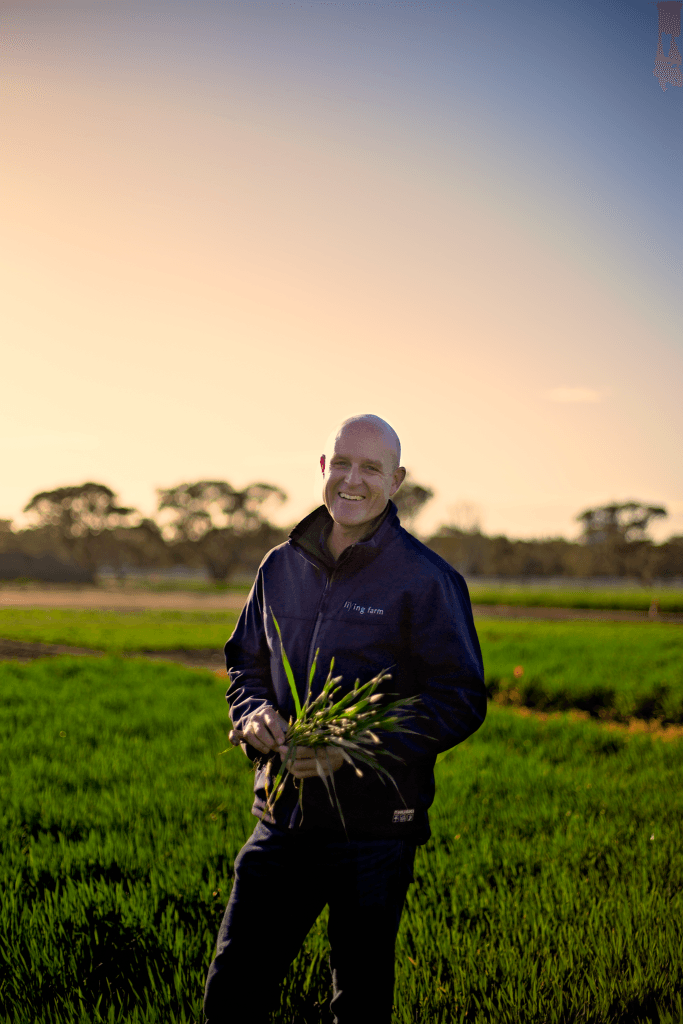
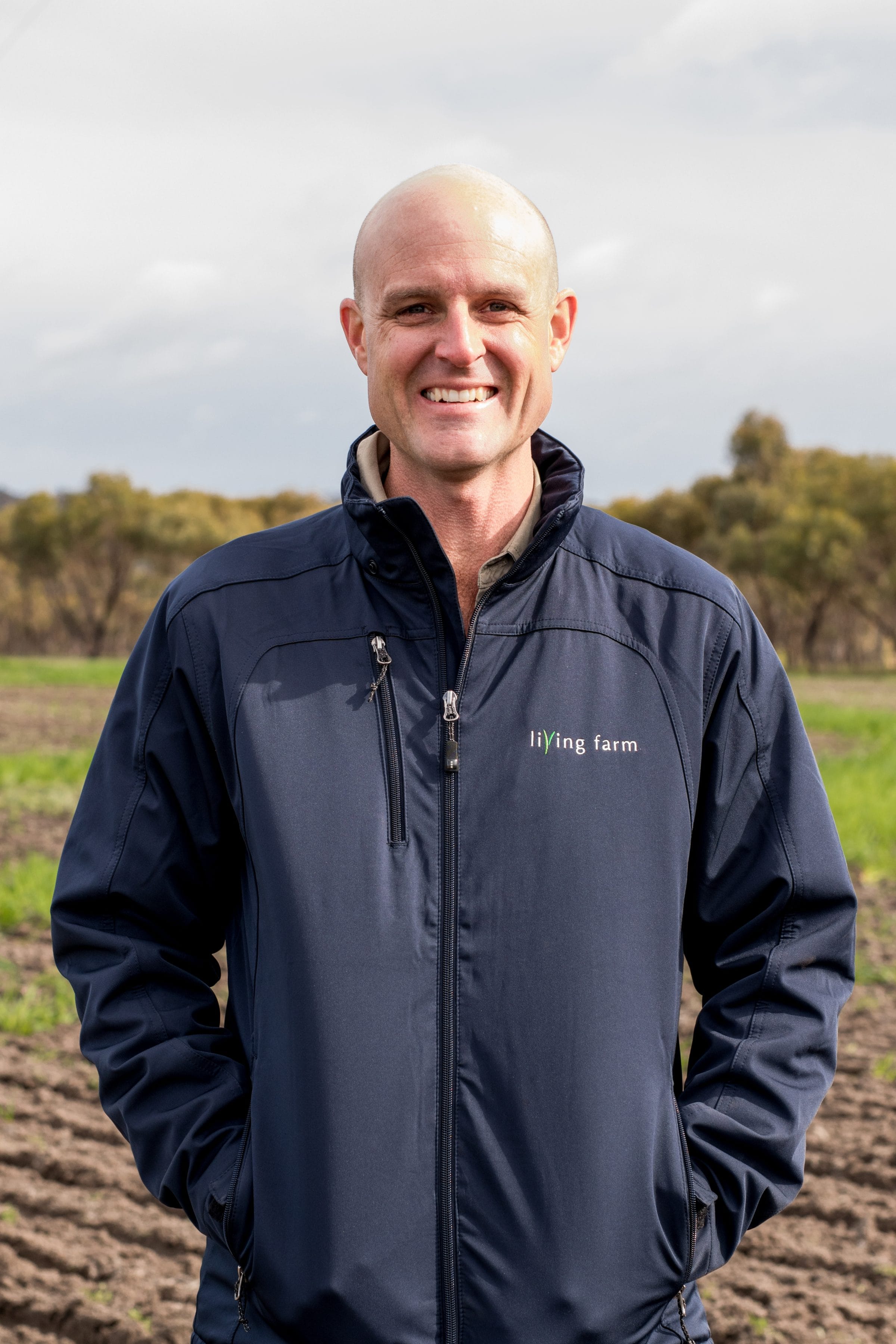
This edition features Dr Andrew Wherrett, Research and Development Manager at Living Farm, whose career has spanned horticulture, plant pathology, soil biology, soil carbon and commercial crop protection research.
Today, Dr Wherrett manages a team of research agronomists delivering about 150 trials each year for multinational chemical companies, universities and government research organisations.
From horticulture to plant pathology
Dr Wherrett’s scientific pathway began with a Bachelor of Science in Horticulture at The University of Western Australia (UWA) in the late 1990s.
By third year, plant pathology had captured his interest, leading to an Honours project investigating the development of fungicide resistance in brown rot disease of stone fruit, which was very new to WA at the time.
His initial choice of horticulture reflected the part of agriculture he knew best.
“I always had an interest in agriculture broadly, but early on it really was horticulture,” Dr Wherrett said.
“I grew up on an orchard in Donnybrook so grain and sheep were a bit obscure to me.”
A PhD was not originally part of his plans, but when his Honours supervisor received funding for a student to research blackleg disease in canola, Dr Wherrett took the opportunity to continue at UWA.
The experience ultimately gave him something broader than specialist knowledge of a particular disease or crop.
“As I found out, the PhD wasn’t about what you learn, that will come anyway, the real benefit was learning how to learn,” he said.
“That sounds a bit strange, but I had two very good supervisors who challenged me regularly and further developed my critical thinking.”
Learning beyond the science
After finishing his PhD and taking a break, Dr Wherrett returned to UWA to work on joint projects in soil biology and soil carbon with the then Department of Agriculture and Food WA.
The soil biology research contributed to soilquality.org.au, while the carbon work formed part of a national project establishing baseline soil carbon levels under different production systems.
That dataset has since underpinned predictions used by many carbon offset projects.
The scale of the research also exposed Dr Wherrett to the less visible work required to generate robust scientific evidence.
“These projects taught me that it isn’t all about the science – sometimes you just have to put the hard, monotonous hours in to get to the science,” he said.
“Managing a soil carbon field programme that sampled 1,000 sites in a three-year period teaches you just as much about logistics as anything else.
“I think most roles are the same, there are times when you need to forget what you want to do and do the things no-one likes doing.”
Finding his place in crop protection
Dr Wherrett’s move into producing research outcomes for commercial crop protection companies was another career step that came from taking an opportunity rather than following a predetermined plan.
“I wasn’t really drawn to this area of research, an opportunity was presented to me, and I took a bit of a risk,” he said.
“I’m lucky to have found a job that I love, with a great group of people, and we are providing very important outcomes for the agricultural industry.”
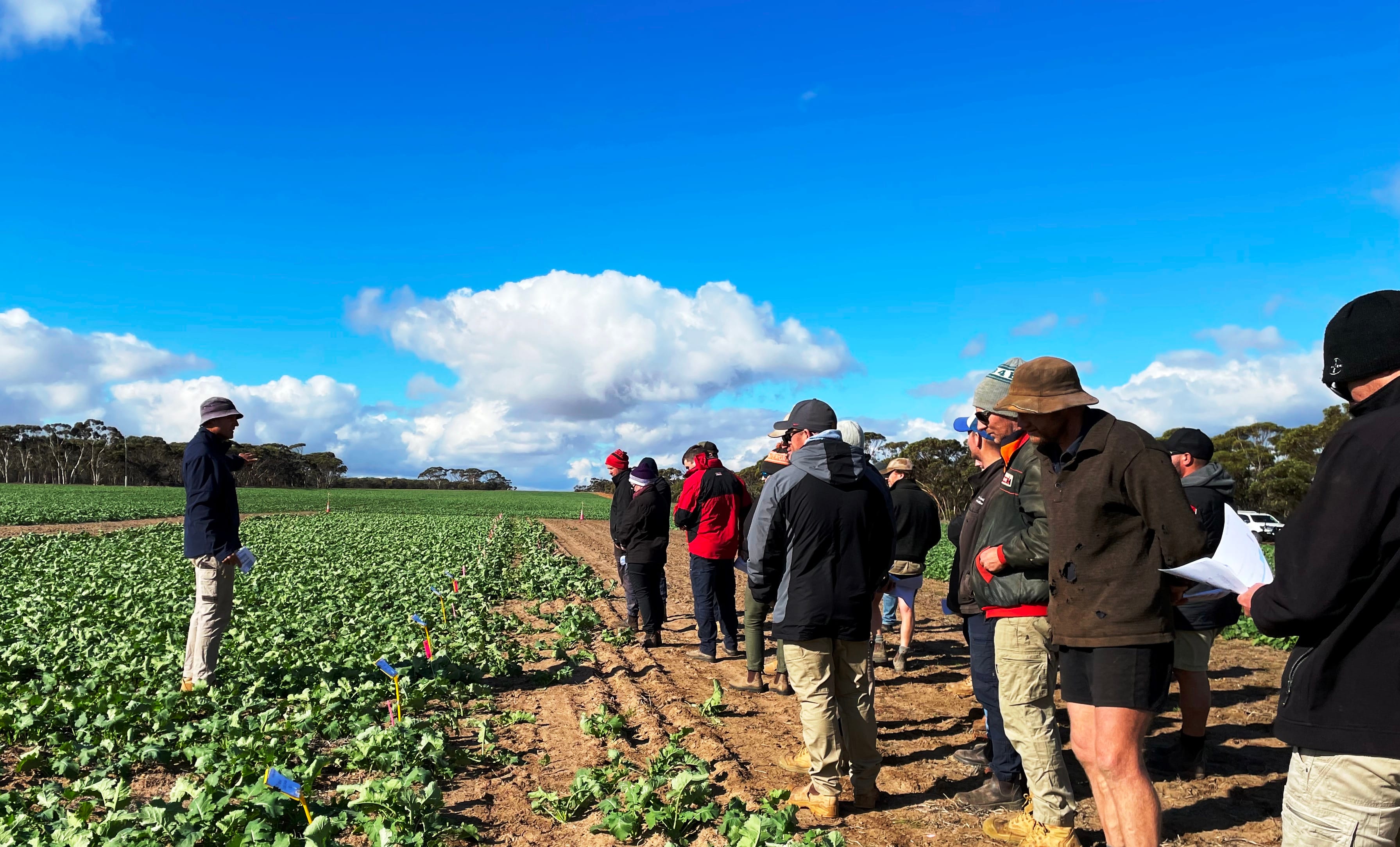
At Living Farm, the AgChem team, which Dr Wherrett leads as Research and Development Manager, conducts efficacy, crop safety, bioequivalence and residue trials for commercial crop protection companies.
His work changes throughout the season, from preparing, seeding and spraying trials to hosting client visits, collecting data and writing reports.
The resulting analysis can be provided to clients for submission to the Australian Pesticides and Veterinary Medicines Authority (APVMA) as part of the product registration process.
For him, one of the most rewarding aspects is seeing that process unfold from the earliest stages of product development through to commercial use.
“I love watching a new molecule go through the commercialisation process from being 20 millilitres of a strange formulation sent from a laboratory in Europe, to being in a drum at the local reseller as an invaluable part of a grower’s pest management strategy,” Dr Wherrett said.
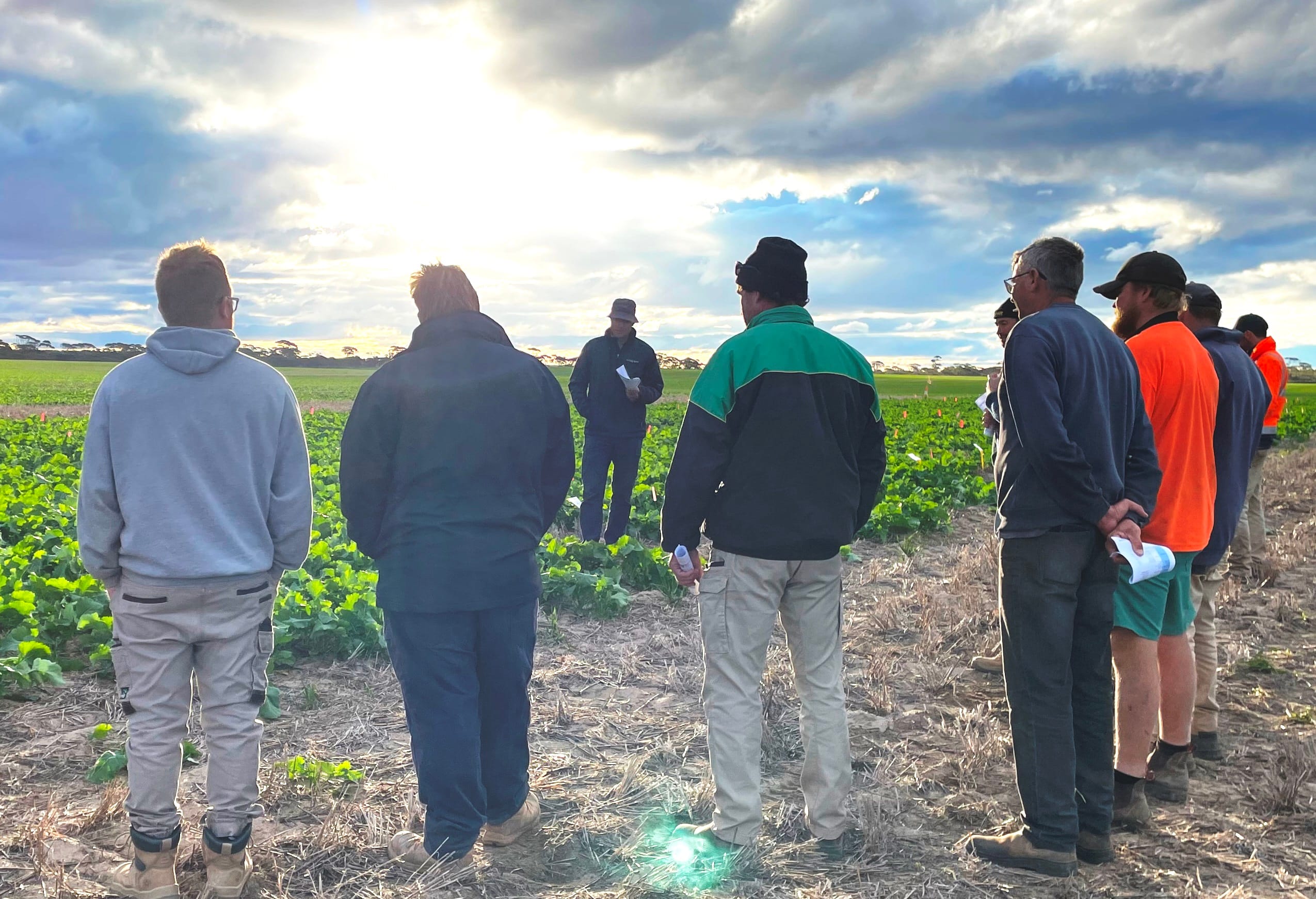
“Standing in a paddock looking at a trial with client representatives from all over the world and discussing how their product will fit into our system, is an exciting conversation.”
“I’m also a bit of a nerd, so I really like looking at a quality set of data that clearly tells a story and provides a clear outcome for the client!” he said.
Research that reaches the paddock
While contract research is a specialised part of agriculture, Dr Wherrett is conscious of the influence independent trial data can have on the wider industry.
Australia’s regulatory process is highly regarded internationally and Australian regulatory data is often used to support product registrations overseas.
“When we miss something, it can have real implications for the industry through unexpected crop damage or unwanted residues,” he said.
“When we get it right, we see something that no-one else has spotted before and it has a positive impact on both the client and end-user.”
During his time at Living Farm, Dr Wherrett has also seen the organisation grow from a team of four people conducting a handful of trials to more than 30 staff delivering over 350 trials each year, with some projects now having a national footprint.
That growth is matched by the satisfaction of seeing research translated into products that become part of commercial farming systems.
“It has been very rewarding to have a hand in that growth and watch new graduates come through our grad recruitment programme,” he said.
“It is nice going to industry events and looking at the product banners around the room and knowing our team has a hand in getting those herbicides, fungicides or insecticides to market.”
From horticulture and plant pathology to soil research and crop protection, Dr Wherrett’s career has developed by following opportunities and building new skills along the way.
At Living Farm, that experience now contributes to independent research that helps determine which crop protection tools reach growers, and how they perform in Australian farming systems.
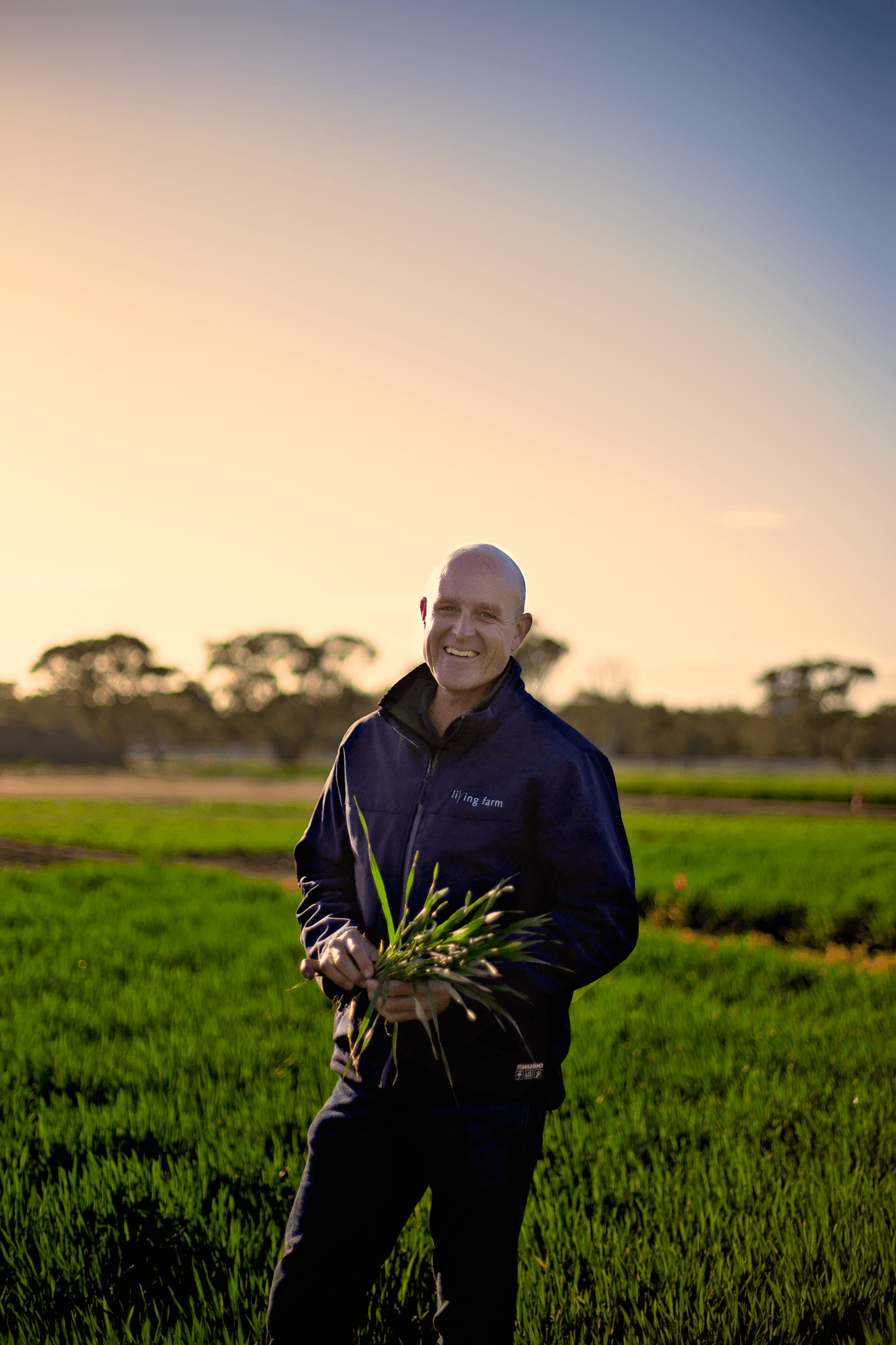
Through the WA Agricultural Scientist Spotlight series, WAARC celebrates the contributions of researchers like Andrew Wherrett, whose work exemplifies the dedication and innovation needed to advance agricultural science in Western Australia.
By sharing their stories, the series aims to inspire a new generation to pursue careers in this vital field, ensuring the State remains at the forefront of agricultural research and sustainability.