

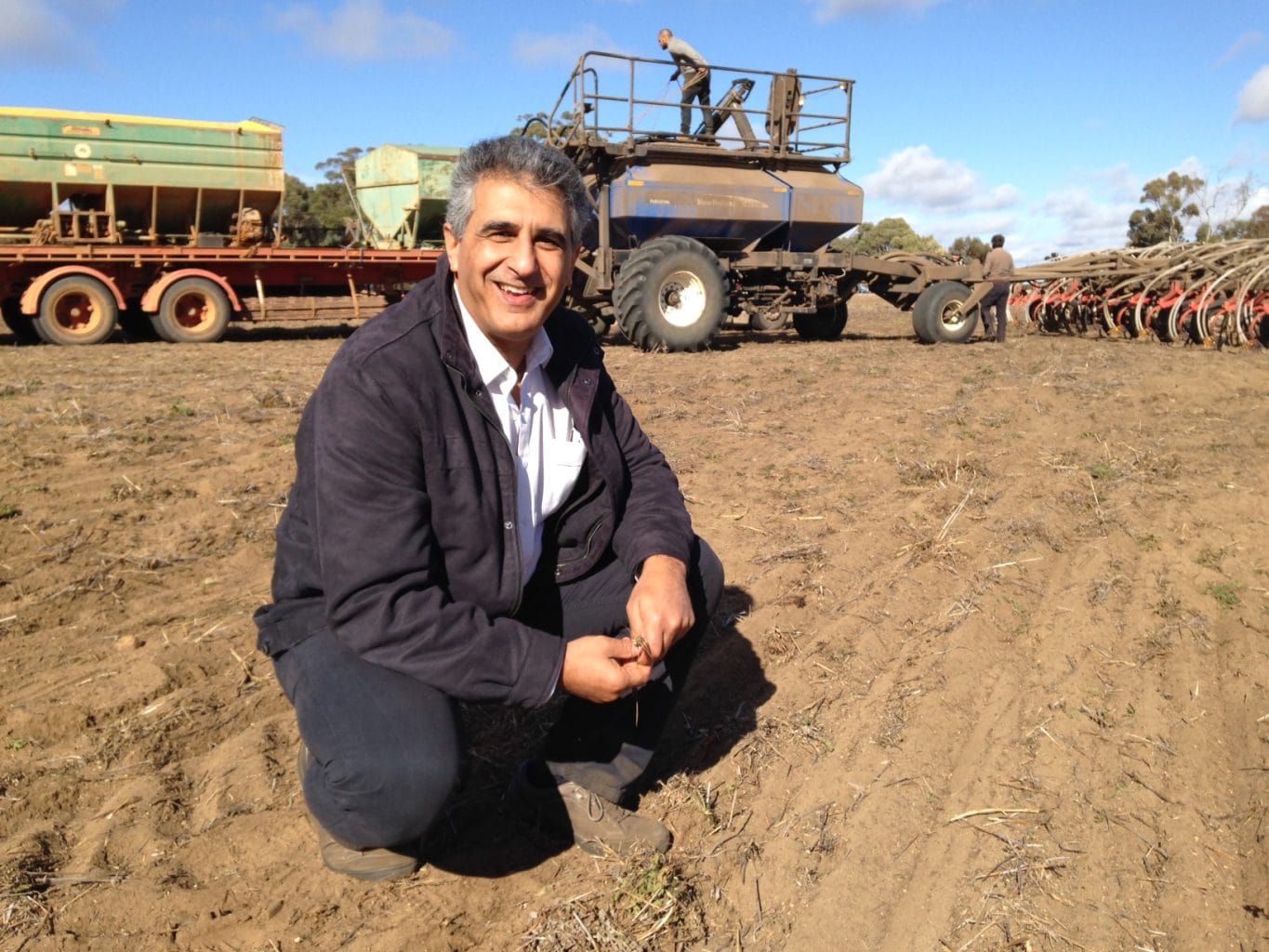

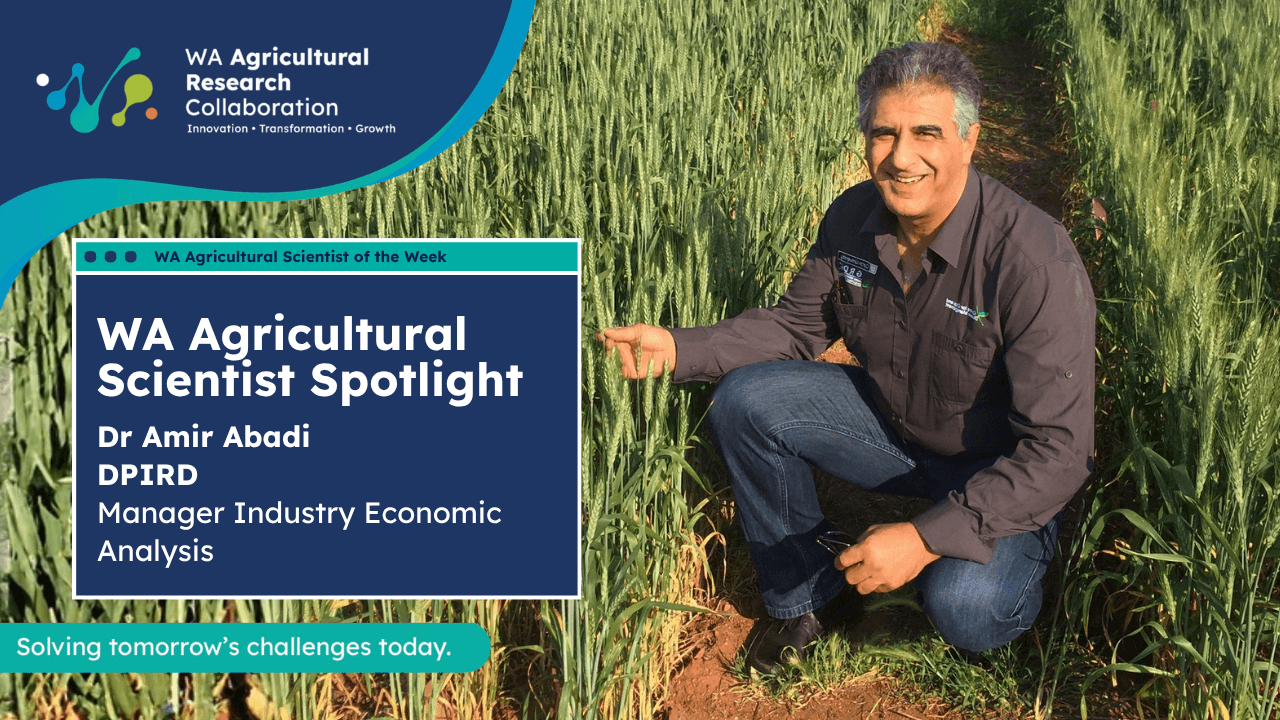
Every fortnight, the WA Agricultural Scientist Spotlight shares the stories of the people helping shape Western Australia’s agricultural future, highlighting their career journeys, research achievements and the ideas driving progress across the sector.
This edition features Dr Amir Abadi, Manager Industry Economic Analysis at the Department of Primary Industries and Regional Development (DPIRD), whose career has spanned almost four decades at the intersection of agricultural science, economics and decision-making.
Today, Dr Abadi leads a team of 13 economists using economic analysis to help industry and government navigate farm risk, research and development (R&D) investment, biosecurity, climate adaptation and emissions.
From biology to agricultural economics
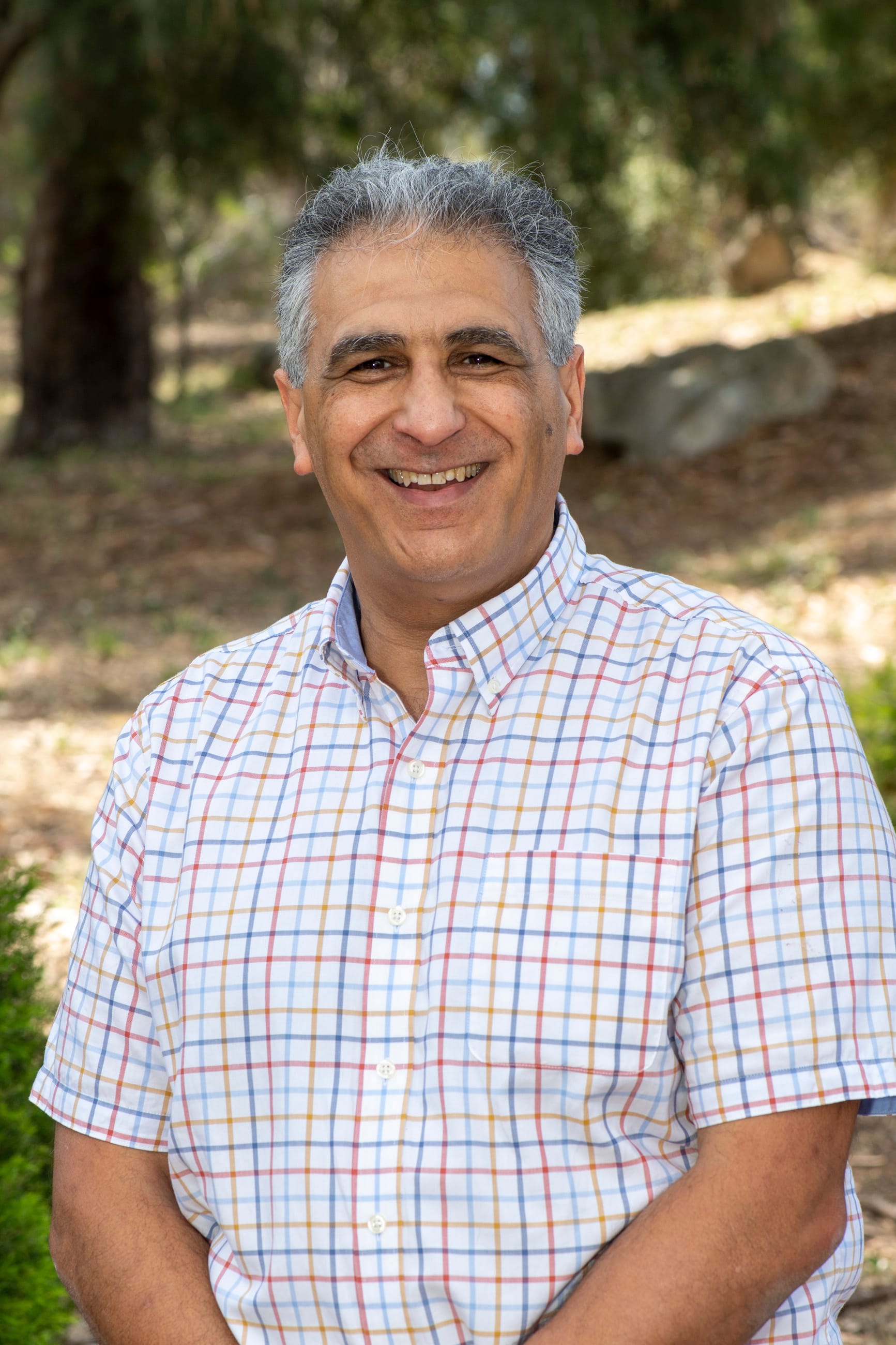
Dr Abadi’s pathway into agricultural economics began at The University of Western Australia (UWA), where he studied the biological sciences before completing a Bachelor of Science in Agriculture with Honours in 1988.
However, his connection to agriculture reaches much further back.
“My ancestors were farmers of mixed-farming systems in rural Azerbaijan – orchards of almonds, apricots and quinces, and flocks of sheep, with lavash bread baked in wood-fired clay ovens set into the ground,” Dr Abadi said.
“I grew up mostly in the city of Tabriz in Iran, but the countryside was never far away, and I have vivid memories of travelling with my parents as an eight-year-old to villages like those of my ancestors to buy bread from those ovens.”
In 1978, with revolution brewing, his family left Iran for the United Kingdom and four years later, they arrived in Australia as refugees.
At UWA, his Honours research focused on the economics and modelling of land-use trade-offs in farming systems, shifting his attention towards how farmers choose between competing options.
“I realised that the hardest questions in farming are rarely purely biological,” Dr Abadi said.
“They are questions of choice – a farmer with limited land, water, money and time must decide among competing options, under real uncertainty about seasons and prices.”
That interest led him into agricultural economics and decision analysis, and he completed a PhD at UWA in 2000 under Professor David Pannell on farmers’ decisions to invest in new practices under risk and uncertainty.
Dr Abadi continued adding to his formal education through qualifications in business management, frontline management, human resources and R&D project management, reflecting an interest not only in how farmers make decisions, but how organisations and teams do the same.
“Learning, for me, has never been a phase of life that ends; it is the way I stay useful,” he said.
Building a career around whole-farm decisions
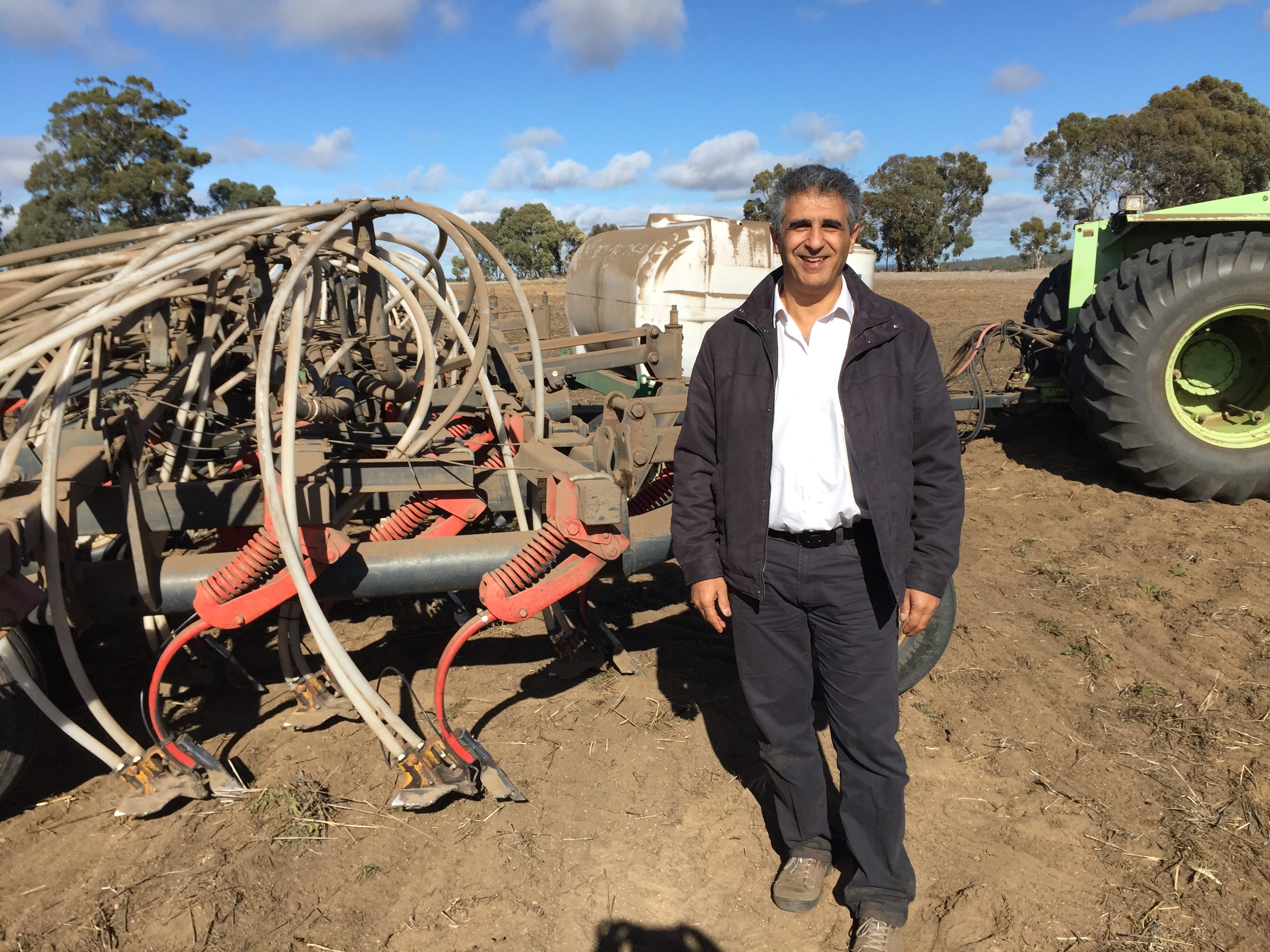
Dr Abadi’s association with DPIRD and its predecessor departments began in 1988, with work spanning dryland salinity, crop protection, farming systems, biodiversity, biofuels, carbon and farm business risk.
An early formative chapter was his involvement in MIDAS, the whole-farm bio-economic model developed for WA dryland farming systems.
His first refereed papers emerged from that work, examining the trade-off between pasture production and weed control in crops and the economics of deep tillage to reduce soil compaction.
“MIDAS did more than answer questions,” Dr Abadi said.
“It brought researchers from different disciplines together with extension agents and helped change how a whole department thought about farming systems.
“It also taught me lessons I have carried ever since: collaborate with scientists from the start, make every assumption public and open to criticism, and use models to build understanding rather than to prescribe.”
His career later broadened into national and international R&D programs, university teaching and industry training.
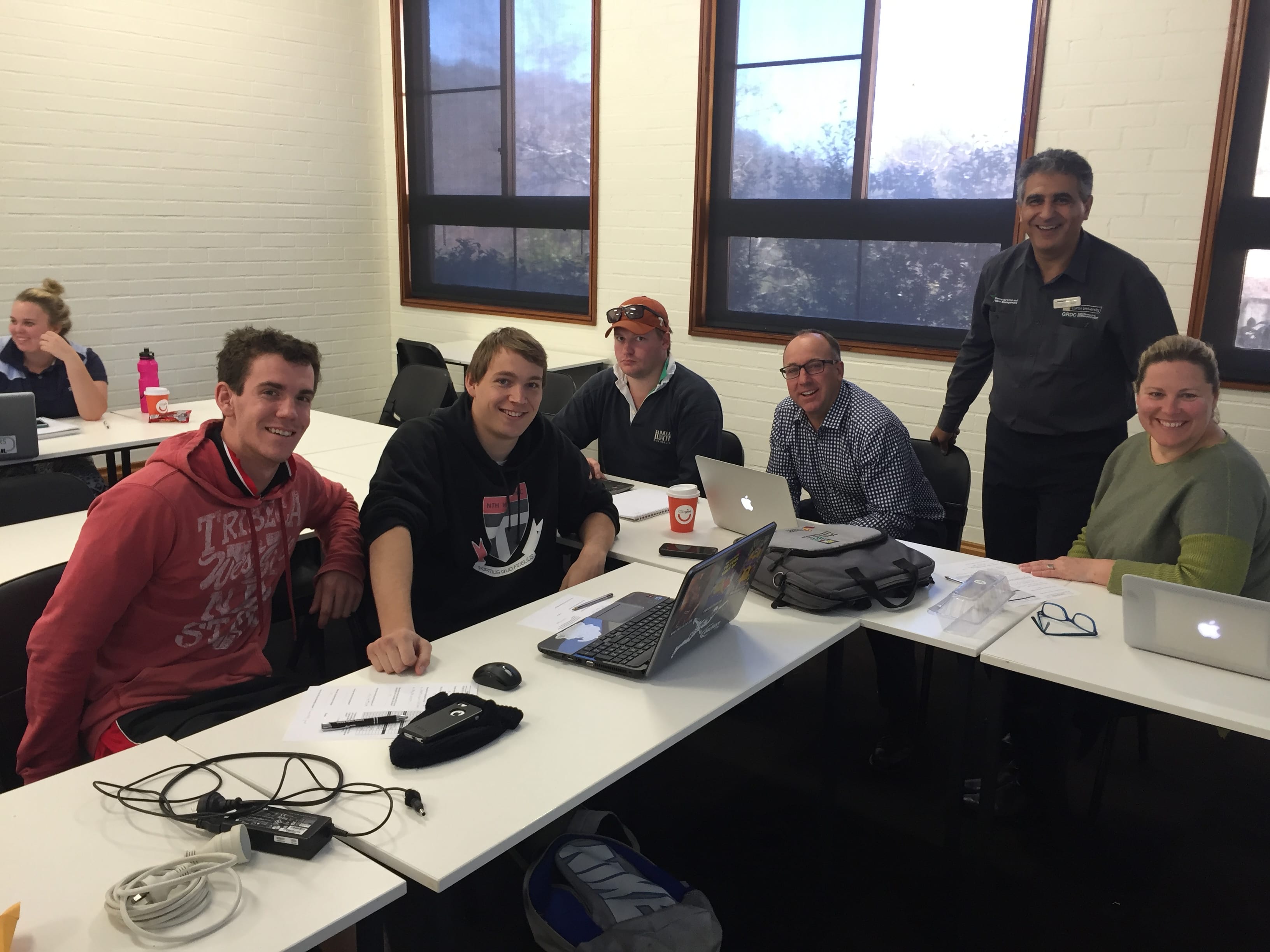
He lectured at UWA and Curtin University, wrote course content in agribusiness management and risk management, and developed training programs including the Risky Business workshops, which have reached more than 2000 farm advisers, consultants and managers.
“Each role taught me the same lesson from a different angle: good science changes nothing until it helps a real person make a better decision,” Dr Abadi said.
Economics in practice
As Manager Industry Economic Analysis at DPIRD, Dr Abadi leads economists working across grains, livestock, horticulture, fisheries, aquaculture and the rangelands.
The team’s work moves between long-term analysis, including bio-economic modelling, benefit-cost analysis, climate adaptation and emissions, and rapid advice required by the government on emerging issues.
A typical week can include reviewing models, testing advice going to the executive, meeting scientists whose trials are being analysed and mentoring younger economists.
The work is inherently multidisciplinary because economic models must accurately represent the biological and physical systems they are assessing, requiring regular collaboration with agronomists, soil scientists, veterinarians, ecologists and hydrologists.
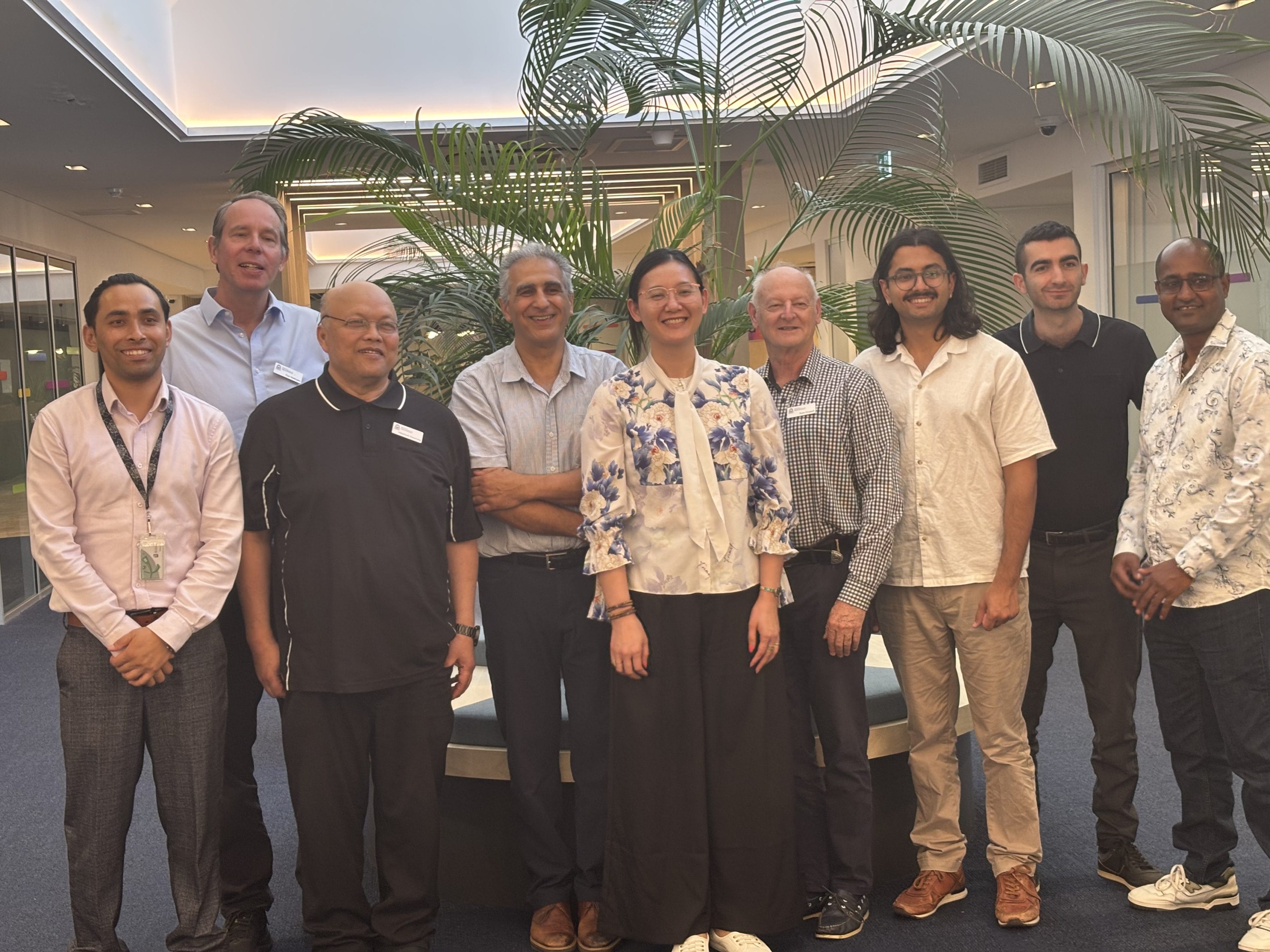
“My job, at its heart, is to keep that collaboration honest and productive; to make sure the numbers tell a true story, and that the team members, many early in their careers, grow while telling it,” Dr Abadi said.
His current research continues to centre on decision-making under risk and uncertainty.
Projects include extending the Risky Business whole-farm simulation tool, analysing climate adaptation and emissions accounting, studying crop protection and nutrition decisions and modelling the value of biosecurity preparedness.
“Farming is decision-making under uncertainty, all the way down – seasons, prices, pests and policies are all uncertain,” he said.
“Helping people choose wisely amid that uncertainty, without pretending to certainty we do not have, feels to me like honest and needed work.”
That focus on real-world decisions is also central to what Dr Abadi finds rewarding about agricultural economics.
“Analysis matters to me only when it serves someone: a farm family weighing a risky investment, a Minister allocating public money, a young economist finding their feet,” he said.
“The successful solution of a difficult problem, one that genuinely helps people, has always felt to me worth more than any material reward.”
Building capability for the future
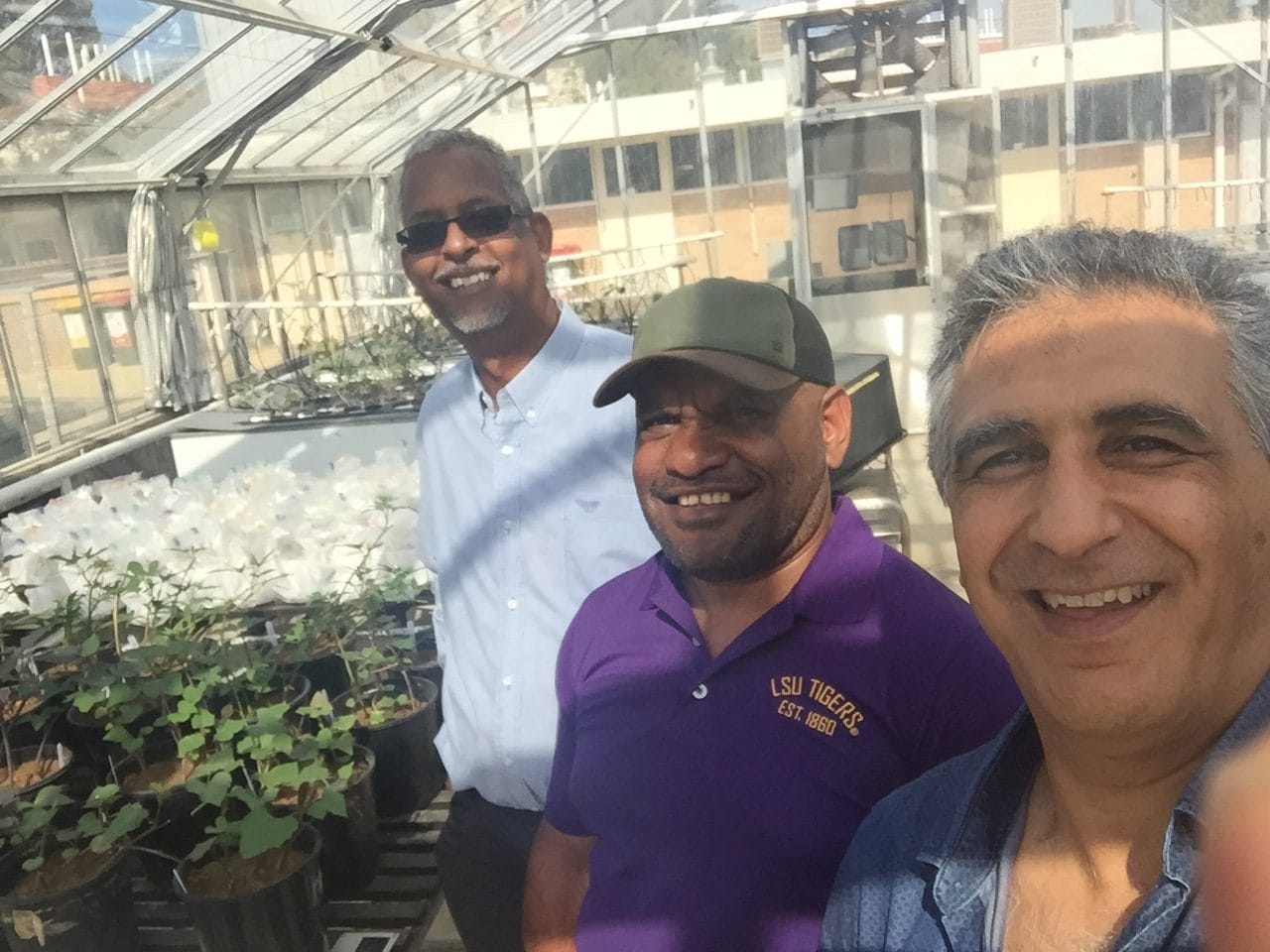
Dr Abadi’s work contributes to decisions about agricultural R&D investment, biosecurity preparedness and industry transitions such as decarbonisation.
His team also works alongside field-trial programs so findings can be considered in terms of profit, risk and emissions, rather than as biological results alone.
Beyond WA, approaches developed through MIDAS and later work on adoption, uncertainty and emissions have been published and adapted elsewhere.
The relevance is amplified by WA’s own production environment, where dryland farmers manage highly variable rainfall on some of the world’s oldest soils.
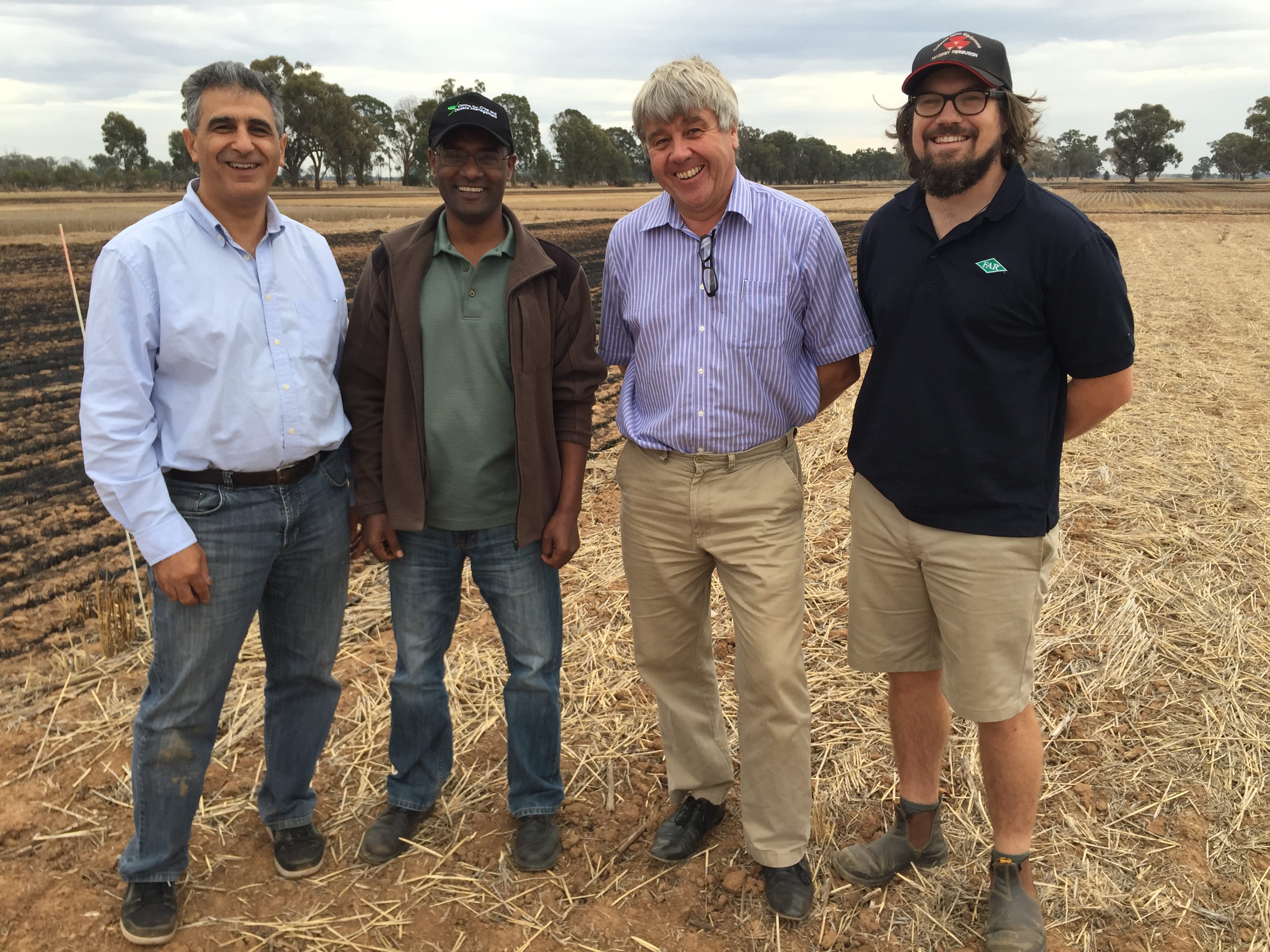
For Dr Abadi, however, one of the most important measures of impact is the capability built in people.
“Papers date and models are superseded, as they should be,” he said.
“But a person who has learned to reason clearly about risk and evidence carries that for life and passes it on.”
That belief underpins both his pride in the Risky Business community of practice and his role leading a team of economists, several of them early in their careers.
His advice to emerging scientists is centred on breadth, curiosity and the ability to work across disciplines.
“The most valuable scientists I know are translators,” Dr Abadi said.
After almost four decades working where biology, economics and human decision-making meet, Dr Abadi’s career continues to return to the same purpose: helping people make better choices when the future is uncertain.
Through research, modelling, training and mentoring, he is helping strengthen both the evidence and the people needed to navigate the challenges facing agriculture in WA and beyond.
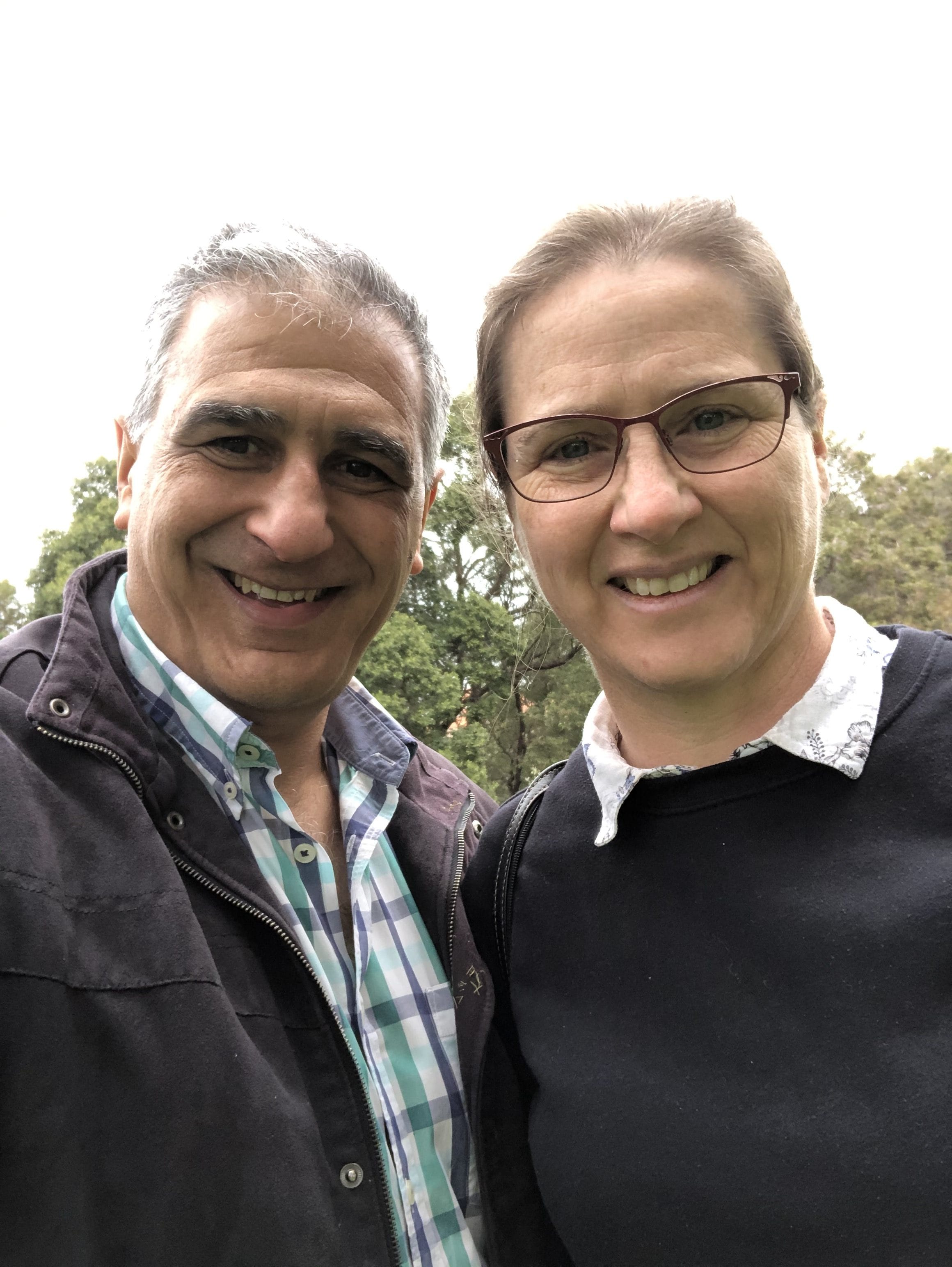
Through the WA Agricultural Scientist Spotlight series, WAARC celebrates the contributions of researchers like Amir Abadi, whose work exemplifies the dedication and innovation needed to advance agricultural science in Western Australia.
By sharing their stories, the series aims to inspire a new generation to pursue careers in this vital field, ensuring the State remains at the forefront of agricultural research and sustainability.