
In the heart of the Kimberley, a new research initiative is bringing together some of Western Australia’s leading agricultural minds to explore fresh opportunities for the region’s beef industry.
The Cropping Enabled Cattle (CEC) project, part of the WA Agricultural Research Collaboration’s (WAARC) Northern Agriculture program, is a multi-organisation collaboration designed to integrate irrigated cropping by-products into beef production systems, building productivity, sustainability and resilience in the north.
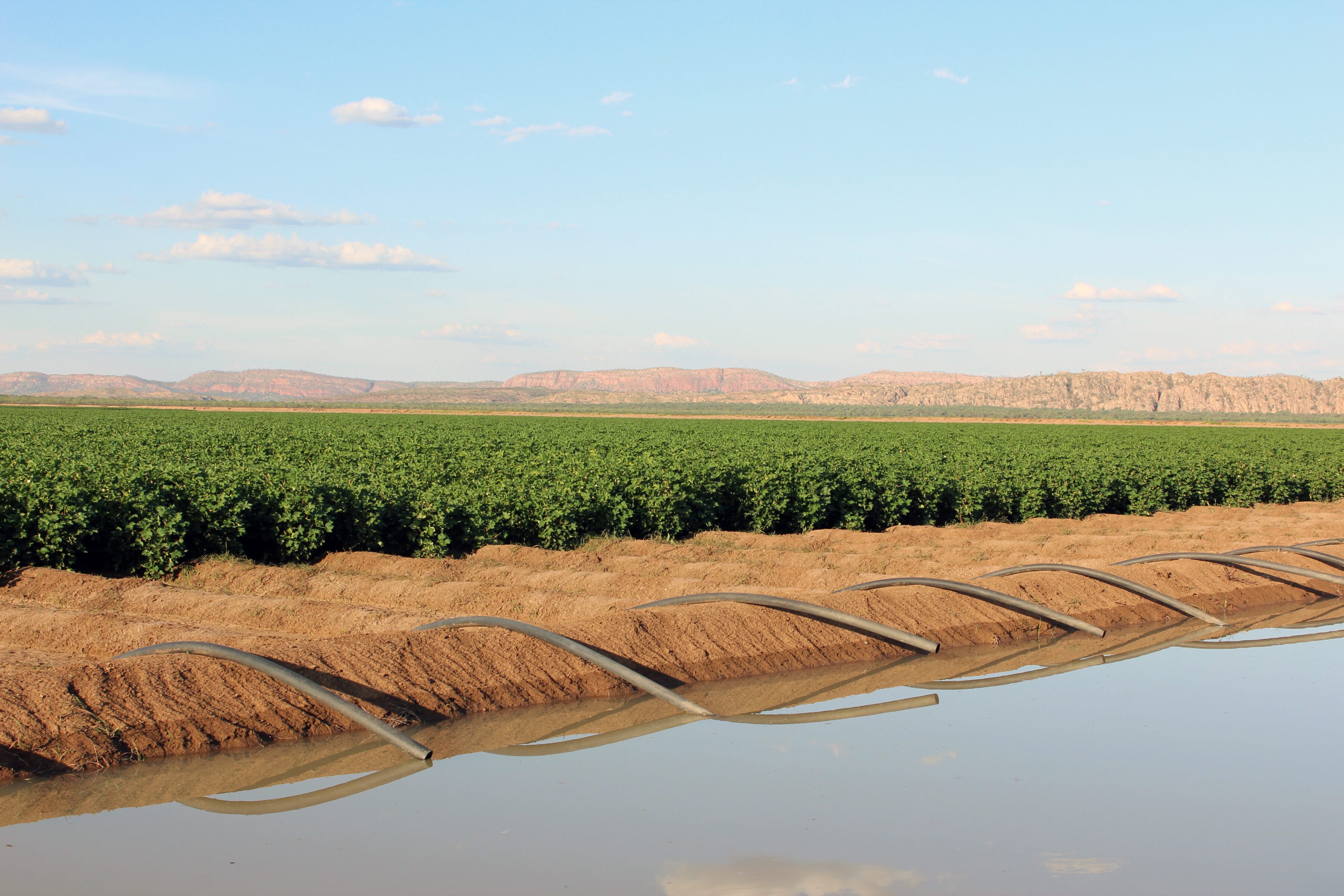
At the centre of the project is a shared vision among partners – to create a profitable and sustainable model for northern beef production that leverages the rapid growth of the Ord River Irrigation Area’s cropping sector.
The initiative unites the Department of Primary Industries and Regional Development (DPIRD) as lead agency, alongside CSIRO, Murdoch University and The University of Western Australia (UWA), with funding support from the Cooperative Research Centre for Developing Northern Australia (CRCNA), the Cotton Research and Development Corporation (CRDC) and WAARC.
Research in action at Frank Wise
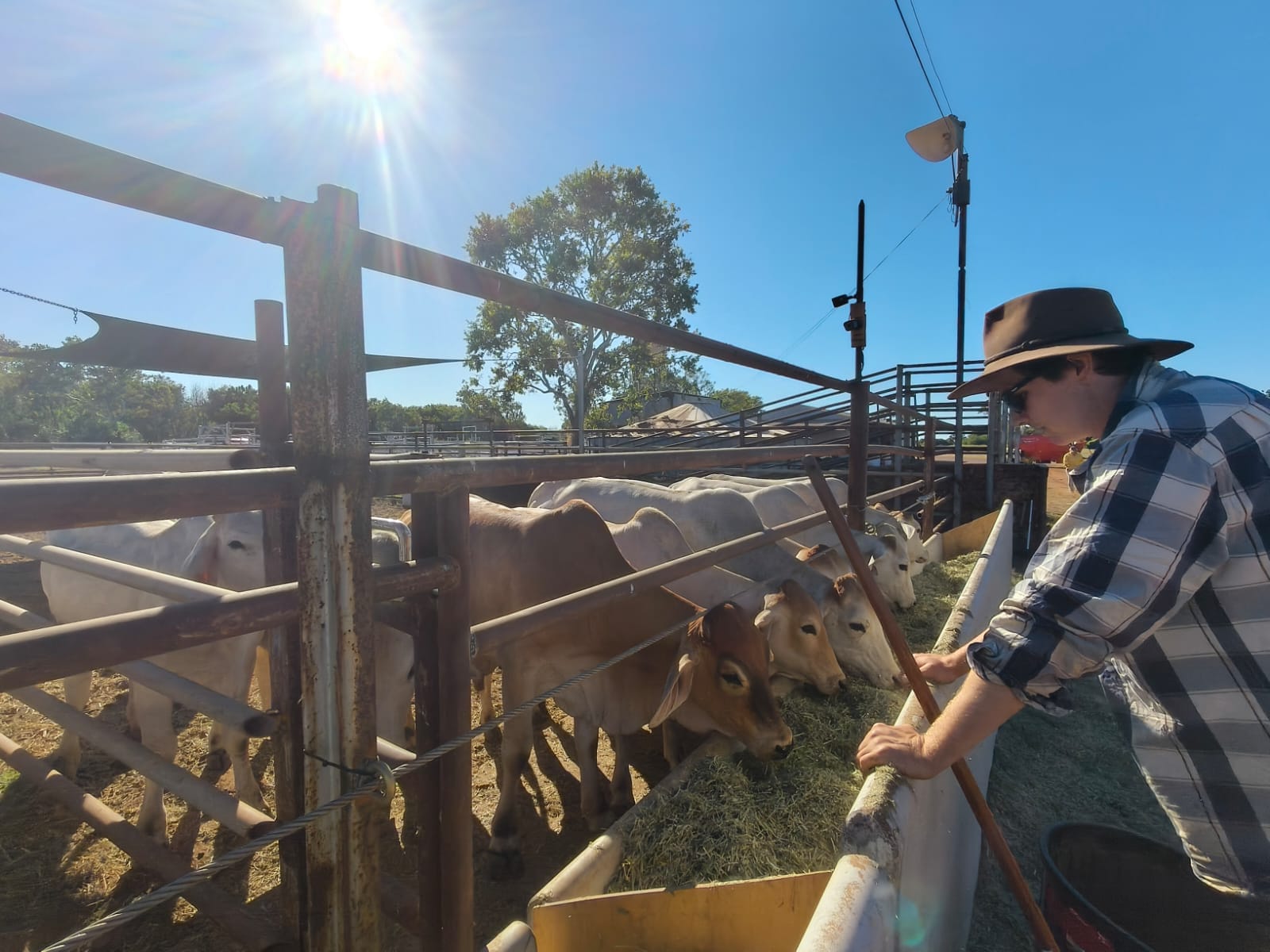
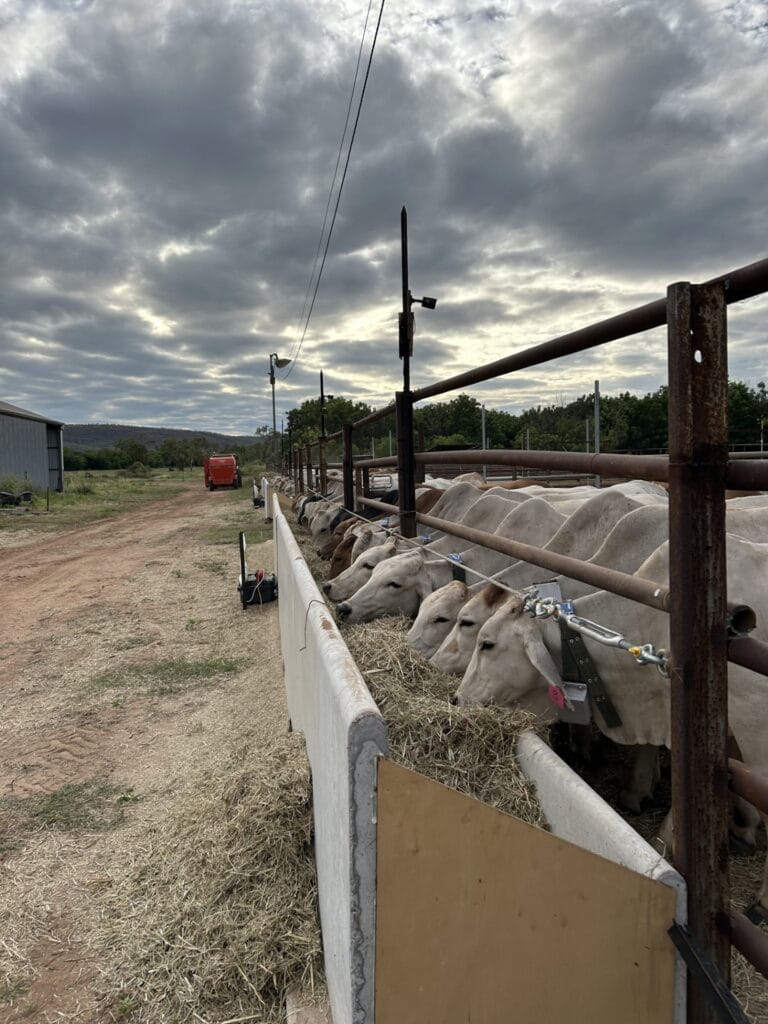
The main cattle feeding experiment is now underway at DPIRD’s Frank Wise Institute of Tropical Agriculture in Kununurra.
DPIRD livestock research scientist Darcy MacCartie, based in Kununurra, said the trial involved 80 Brahman cross cattle, each around 250 kilograms, being fed over a 90-day period.
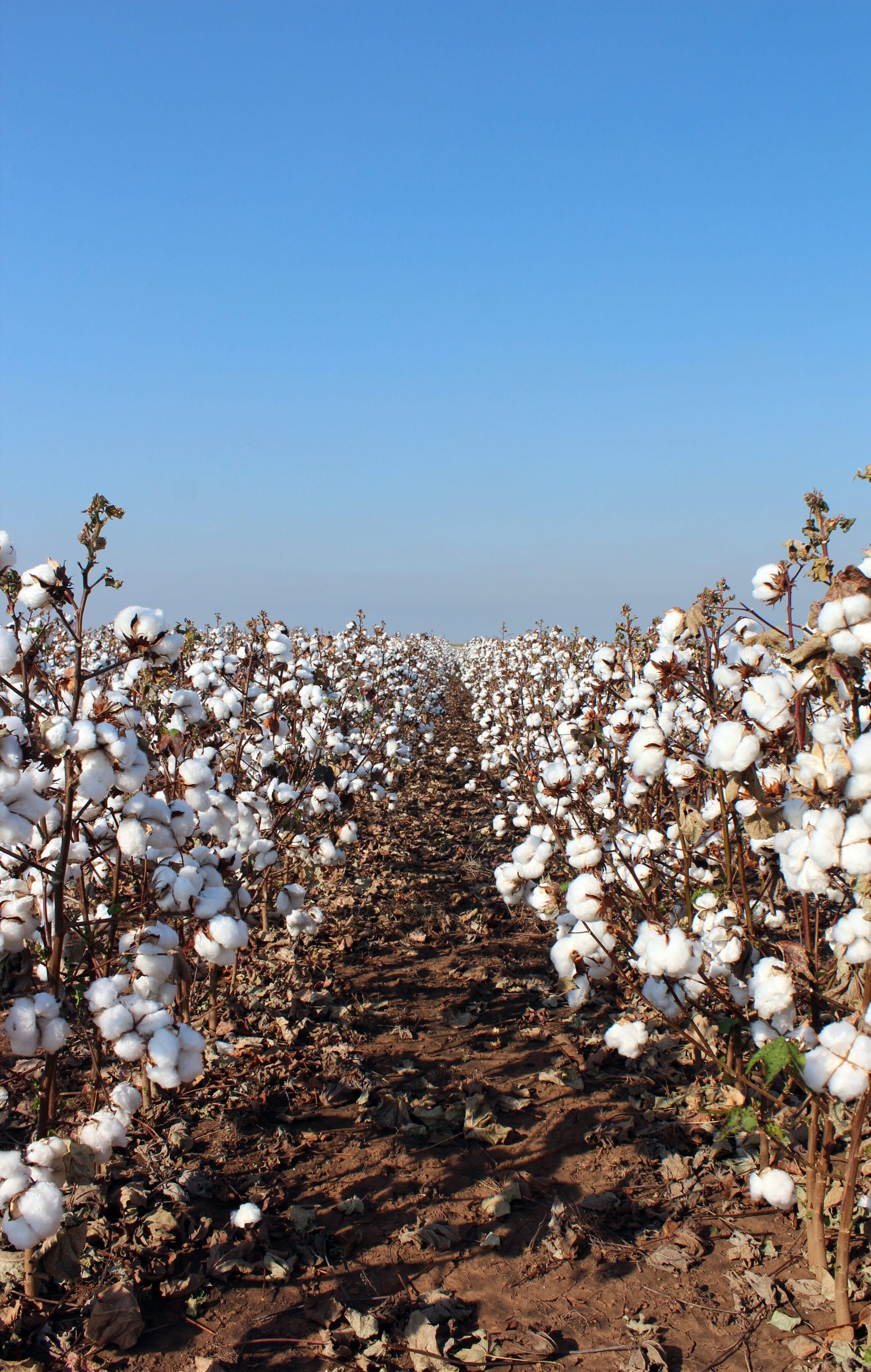
“Half of the cattle are on a control diet of Rhodes grass hay, while the other half are receiving Rhodes grass hay supplemented with whole cottonseed – a high-protein, high-energy by-product of the region’s expanding cotton industry,” Mr MacCartie said.
“Throughout the trial, the research team is closely monitoring cattle growth rates and physiological indicators of welfare, using innovative sensor technologies to measure performance, behaviour and wellbeing in a tropical environment.
“The results will help determine the impact of cottonseed supplementation on animal growth, meat quality, feed efficiency and time to market.”
A collaborative knowledge network
The strength of the CEC project lies in its multidisciplinary and multi-institutional approach.
- DPIRD’s local expertise and research infrastructure anchor the trial in the region, ensuring it reflects the realities of Kimberley production systems.
- CSIRO brings advanced economic modelling to analyse potential supply chain scenarios for supplementary feeding.
- Murdoch University and UWA contribute specialist knowledge in animal science, feeding, welfare, and meat quality.
“Together, this team is building a comprehensive understanding of how integrated cropping and cattle systems can work in northern WA – from on-farm feeding practices to market access and profitability,” Mr MacCartie said.
“By working hand-in-hand, the project partners are creating not just research findings, but regionally relevant solutions that producers can confidently adopt.”
Building skills, opportunities and impact
The CEC project is also strengthening local research capability, with new Kimberley-based roles and postgraduate opportunities embedded in the program.
Training in low-stress stock handling is being provided to ensure the welfare of cattle during trials and to build practical skills within the industry.
Mr MacCartie said beyond the research outcomes, the project’s collaborative model is fostering long-term industry resilience.
“By linking cropping and cattle systems, producers may be able to overcome seasonal feed limitations, grow cattle more efficiently, and diversify production to meet a wider range of markets,” he said.
The WAARC partnership is committed to supporting the progression of tropical northern WA towards sustainable, integrated agriculture, delivering benefits that extend from paddock to port.