


Every fortnight, the WA Agricultural Scientist Spotlight shares the stories of the people helping shape Western Australia’s agricultural future, highlighting their career journeys, research achievements and the ideas driving progress across the sector.
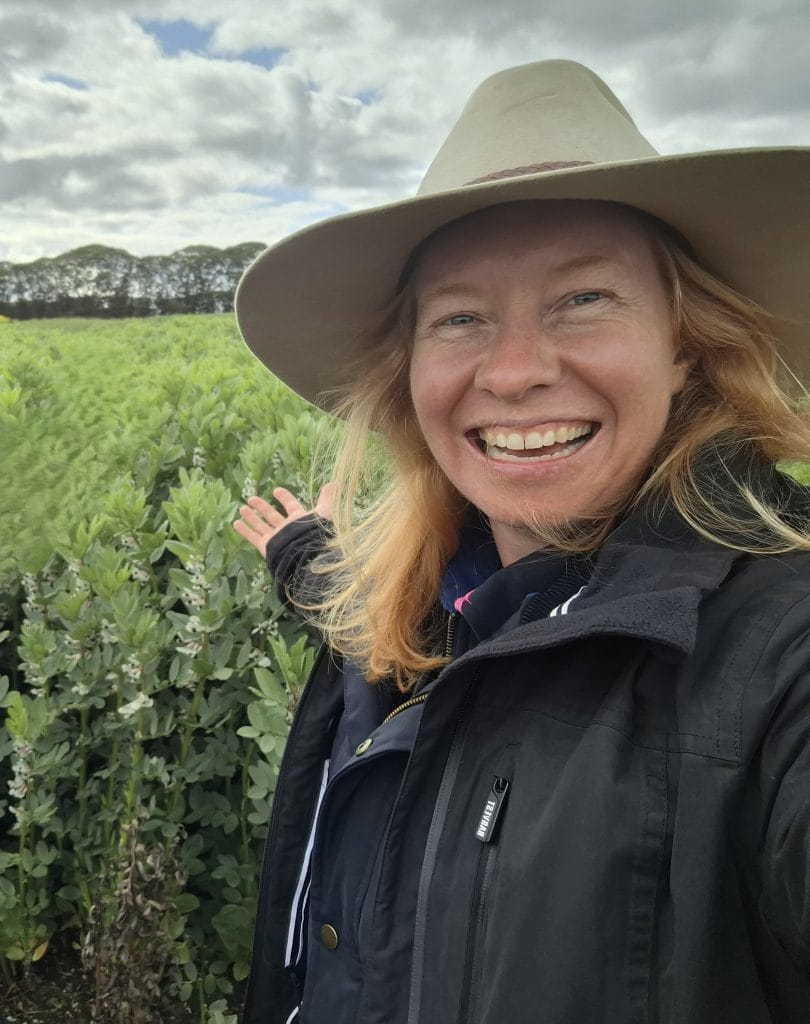
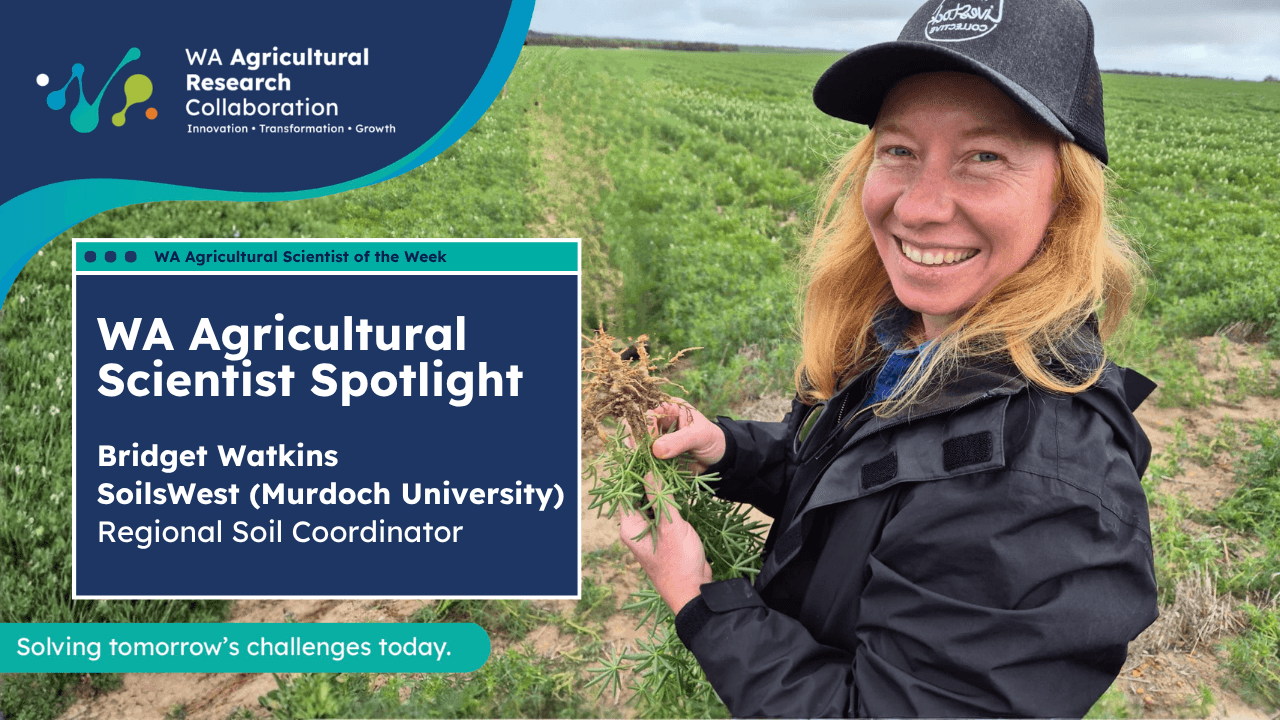
This edition features Bridget Watkins, Regional Soil Coordinator at Murdoch University’s SoilsWest, whose career has moved from environmental biology and mine site rehabilitation into agricultural research and soil extension.
Today, Ms Watkins works across the southern half of Western Australia, connecting farmers, grower groups, researchers and government to help ensure regional soil priorities are understood and practical, evidence-based information reaches the people who need it.
From environmental science back to agriculture
Ms Watkins’ connection to agriculture began early, with her interest shaped by watching how the landscape around her responded over time.
“I grew up on a farm and developed a keen interest in understanding land management strategies during my teenage years,” Ms Watkins said.
“Seeing the way pastures and crops grew, seeing the impact the progression of revegetation had along the creek line.”
After completing primary school in Wagin and her final three years of high school at boarding school in Perth, Ms Watkins studied a Bachelor of Science in Environmental Biology at Curtin University.
Almost straight out of university, she joined a private environmental consultancy as a botanist, undertaking environmental surveys primarily in support of mining approvals and land development projects.
The role took her throughout the Pilbara, including field work in remote locations accessed by helicopter, before she took a six-month career break to spend a season mustering cattle in the Kimberley.
She then spent five years with Rio Tinto Iron Ore, working across mine site rehabilitation and environmental approvals.
“I had some great opportunities throughout the environmental industry and enjoyed it, but eventually decided I really wanted to be involved in supporting the agriculture industry,” Ms Watkins said.
“It’s where I felt my longer-term interests and passion were pulling me.”
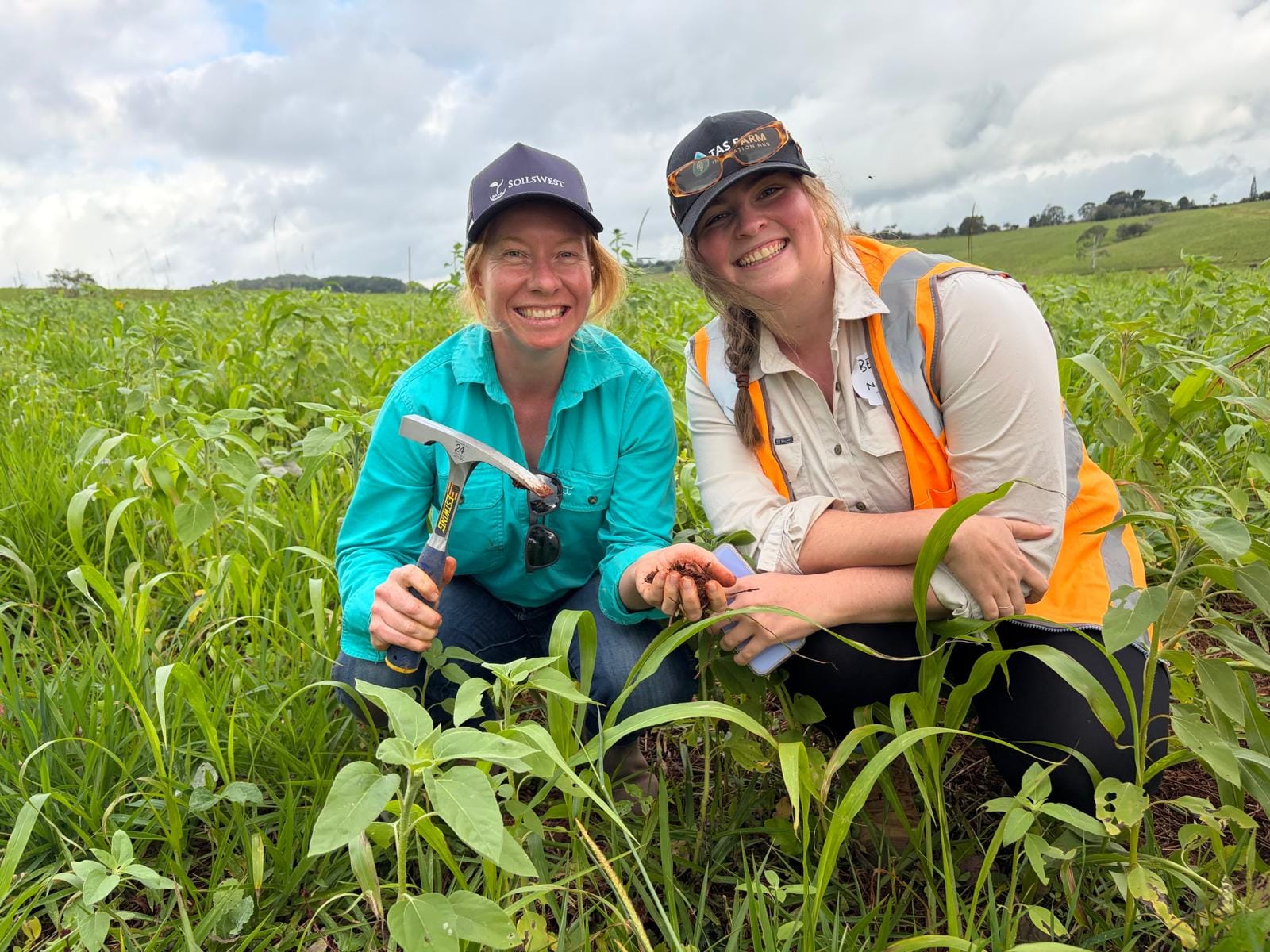
That shift led Ms Watkins to the CSBP Fertilisers Field Research team, where she gained exposure to crop and pasture research across the south-west land division.
“I loved the soil nutrition aspects and being able to see clear responses to different nutritional management strategies in the field trials,” she said.
Connecting soil science with the regions
In 2024, Ms Watkins spotted the available role of Regional Soil Coordinator at SoilsWest and immediately saw how closely it aligned with the experience she had built across environmental science, agricultural research and soils.
“I felt like it had been written for me,” she said.
“I knew of SoilsWest and Fran Hoyle’s reputation for high-quality research and extension, and knew it would be an amazing opportunity.”
Ms Watkins is one of eight Regional Soil Coordinators across Australia, funded under the Australian Government’s Climate-Smart Agriculture Program through the Natural Heritage Trust, with the positions linked to the Drought Resilience Adoption and Innovation Hubs situated around the country.
In WA, Ms Watkins’ position is subcontracted from the South-West WA Drought Resilience Adoption and Innovation Hub and based at SoilsWest at Murdoch University, connecting her directly with soil researchers, networks and projects.
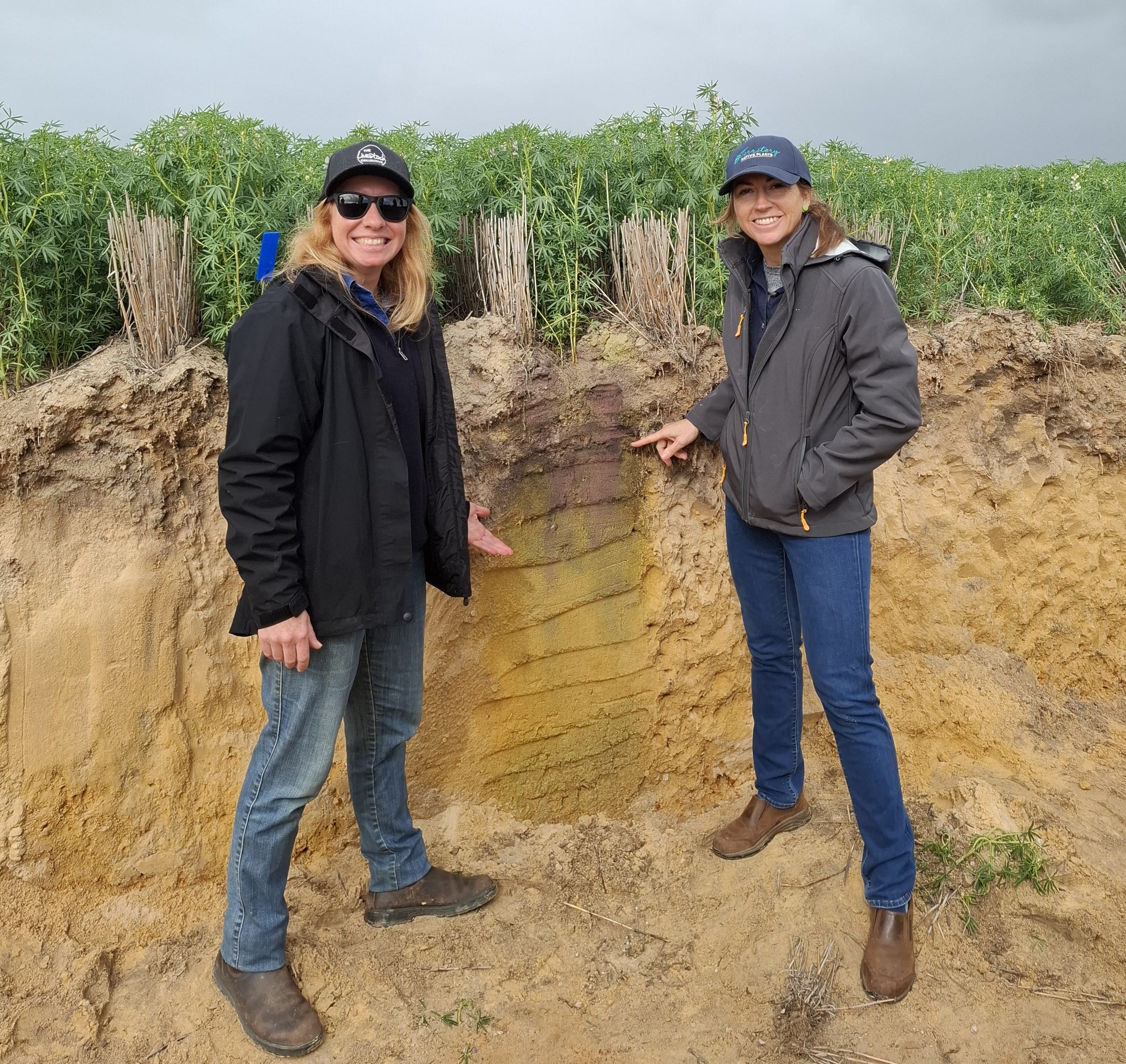
“The Regional Soil Coordinator works across all levels of the agricultural industry to connect stakeholders, support collaboration, facilitate extension and promote best practice soil management,” Ms Watkins said.
“A key function of the role is engaging directly with regional communities to identify local soil constraints and ensure that relevant, practical information is accessible and effectively shared to improve soil management capability.”
“The role also identifies knowledge gaps, supports the prioritisation of research needs, and contributes to the development of solutions.”
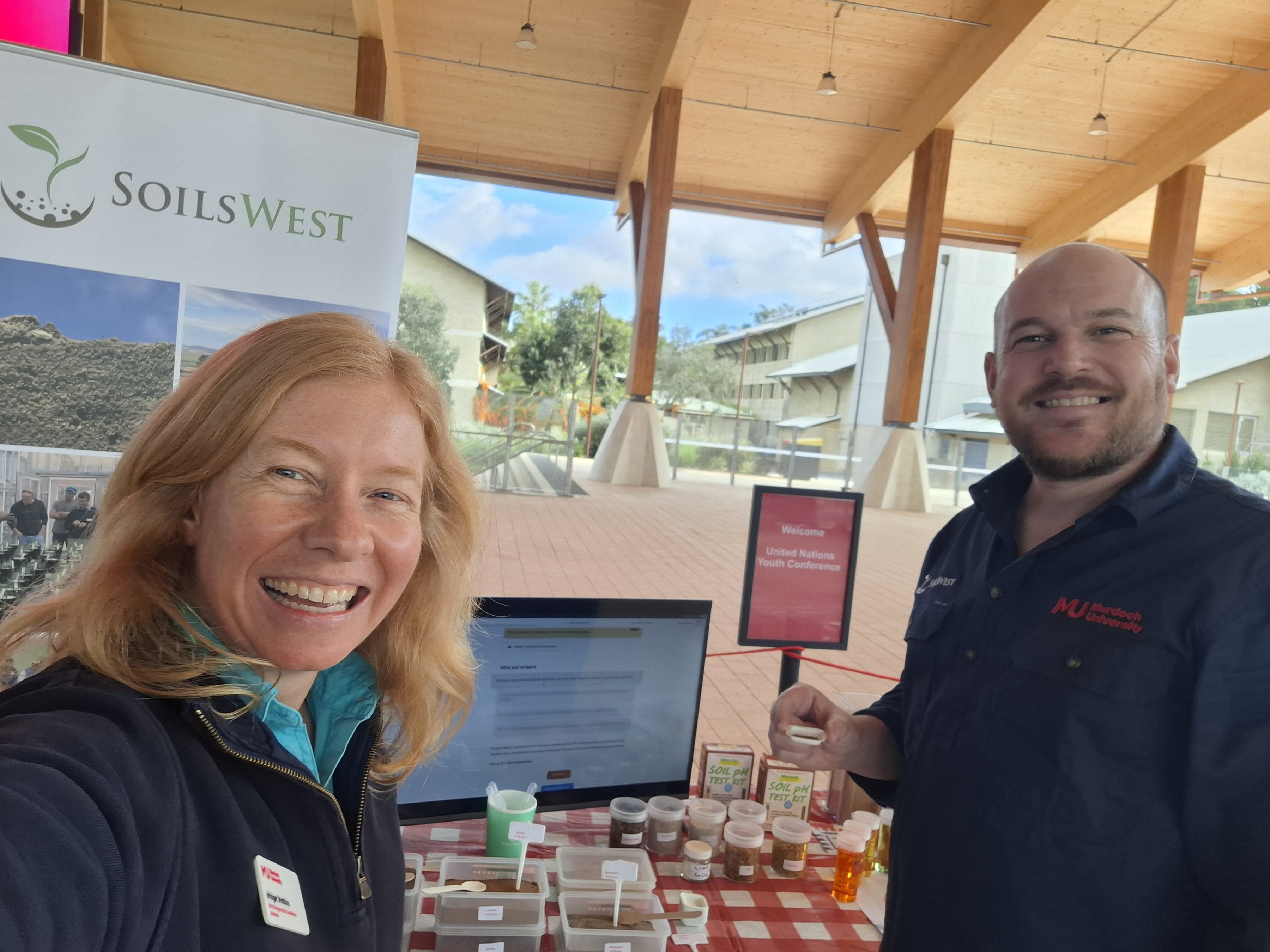
In Western Australia, the Regional Soil Coordinator role connects farmers, grower groups and soil projects with relevant expertise, information, resources, tools and training, while also helping ensure regional priorities are reflected in project design and federal soil initiatives.
A typical week sees Ms Watkins keeping in close contact with researchers, project teams and regional groups through online meetings, phone calls and in-person discussions about research priorities, outcomes and emerging soil issues.
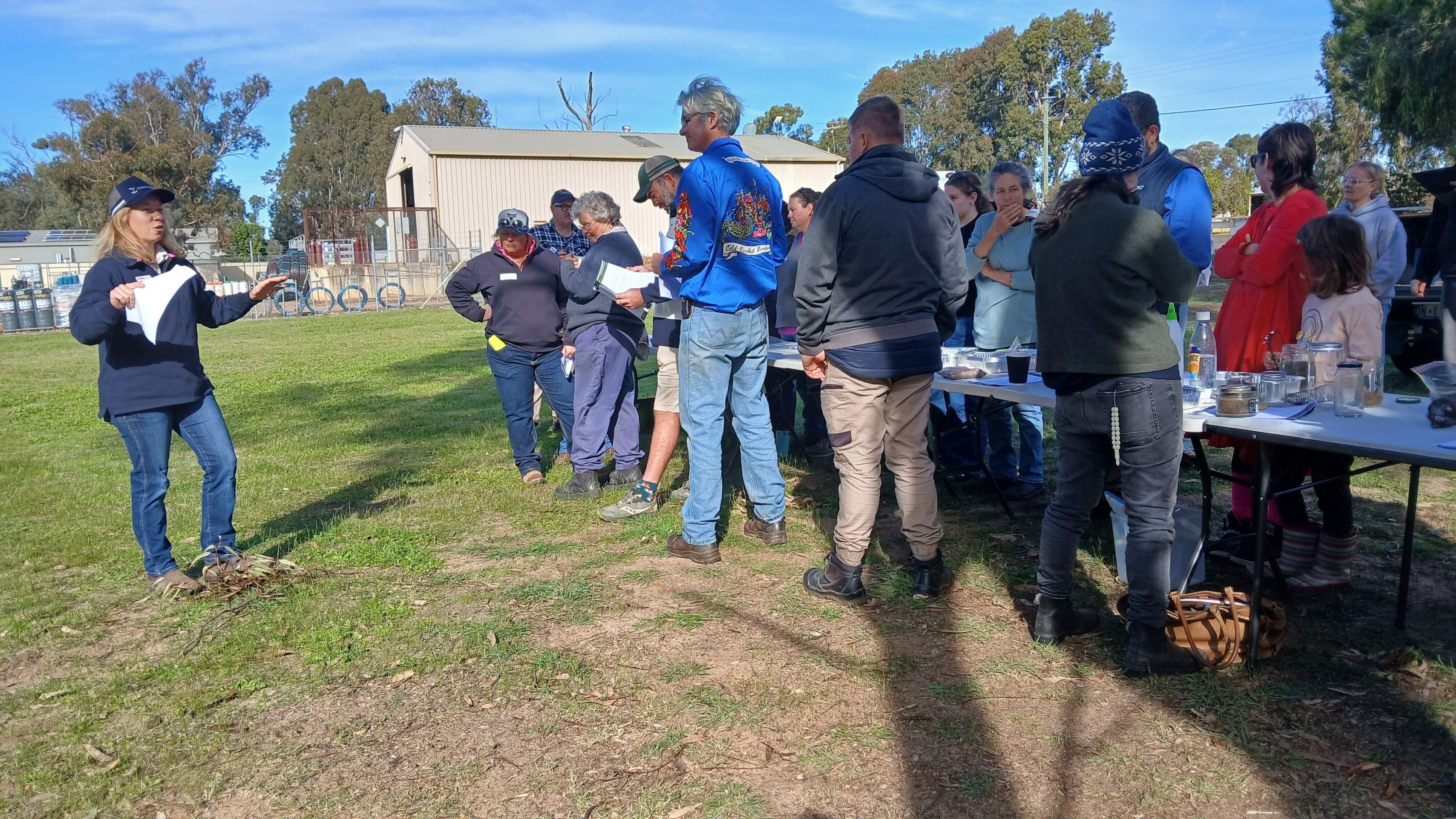
She also spends time collating and promoting practical, locally relevant soil information and supporting regional events across the State.
Turning research into practical decisions
Soil is universally important across agricultural industries and suitable management is critical to successful production and sustainability, particularly in WA where we are constantly dealing with many soil-related challenges.
The investment and progression in the management of soils in agriculture is an exciting space and one Ms Watkins is proud to be involved in.
“Connecting the dots in problem solving and helping to provide access to relevant, evidence-based and practical information and resources is a real highlight,” she said.
“I genuinely love being able to contribute to hopefully making someone’s day a little easier with information or answers that help them in their soil management strategies on-farm.”
WA has seen substantial investment in soil research and development over recent decades, generating new knowledge about the management of soil constraints, production and sustainability.
Making those findings accessible is critical to ensuring that investment translates into better decisions, particularly as farming systems continue to evolve.
Current research can help farmers monitor changes in their soils, assess management options before problems worsen and reduce the risk of adopting practices that may be costly or ineffective.
“Best practice soil management developed from the latest research promotes a system that is more resilient in the tough years and more productive in the good years,” Ms Watkins said.
“This helps farmers stay competitive in local and global markets over the long term.”
Looking ahead for WA soils
Ms Watkins wants the next phase of soil science in WA to remain firmly focused on information and tools that farmers can use in real-world decision-making.
That includes continued collaboration between farmers and researchers, stronger extension capability across the State and improved ways to identify variability and constraints within individual paddocks.
“It would be great to see progression in the development of cost-effective tools to efficiently map soil constraints at a paddock scale,” she said.
“As well as access to evidence-based support that advises decision-making options for best practice soil management strategies based on this.”
She also hopes WA continues to build on its reputation for adapting farming systems to challenging soils while maintaining productivity and long-term sustainability.
“I’m looking forward to seeing WA agriculture continue to be a world leader in implementing soil management practices that drive production, promote resilient businesses and farming systems, and contribute to long-term sustainability of the soil resource across the State,” Ms Watkins said.
Her advice to students and early-career scientists reflects the varied pathway that ultimately brought her back to agriculture.
“Be open to opportunities, get as much practical experience as possible, and don’t limit yourself to one area of agriculture,” she said.
“Develop both technical and people skills, build a strong professional network, and remember that agriculture needs diverse thinkers and innovative scientists to help tackle a broad range of challenges that will no doubt continue to evolve as they have done forever.”
From environmental field work and mine site rehabilitation to agricultural trials and regional soil extension, Ms Watkins’ career has brought together a broad range of experiences around a common interest in how land is understood and managed.
At SoilsWest, she is now helping connect WA’s soil science with regional priorities, ensuring research and expertise can support better decisions on farms across the State.
The Regional Soil Coordinators around Australia are supported by the Australian Government Department of Agriculture, Fisheries and Forestry through funding from the Climate-Smart Agriculture Program under the Natural Heritage Trust. Bridget’s role as South-West WA Regional Soil Coordinator is led by the South-West WA Drought Resilience Adoption and Innovation Hub, partnering with SoilsWest at Murdoch University.
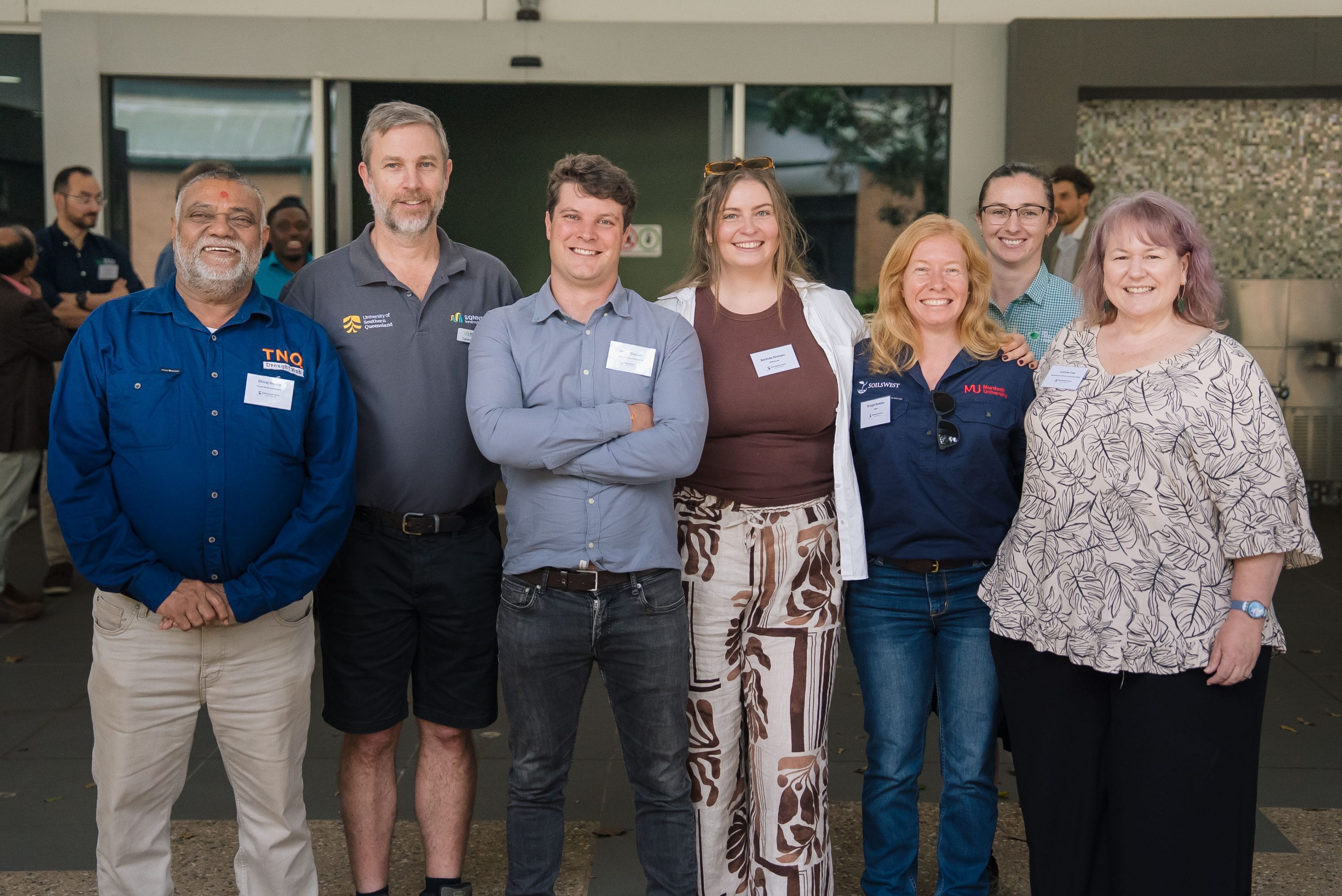
Through the WA Agricultural Scientist Spotlight series, WAARC celebrates the contributions of researchers like Bridget Watkins, whose work exemplifies the dedication and innovation needed to advance agricultural science in Western Australia.
By sharing their stories, the series aims to inspire a new generation to pursue careers in this vital field, ensuring the State remains at the forefront of agricultural research and sustainability.