This website may not work correctly in Internet Explorer. We recommend switching to a more secure modern web browser such as Microsoft Edge which is already installed on your computer.
Mineland to Farmland is exploring how rehabilitated mine land could transition into productive, sustainable agricultural systems. The goal is to move beyond rehabilitation as an end point, and instead consider post-mining land as an opportunity to create new economic, environmental and social value for Western Australia.
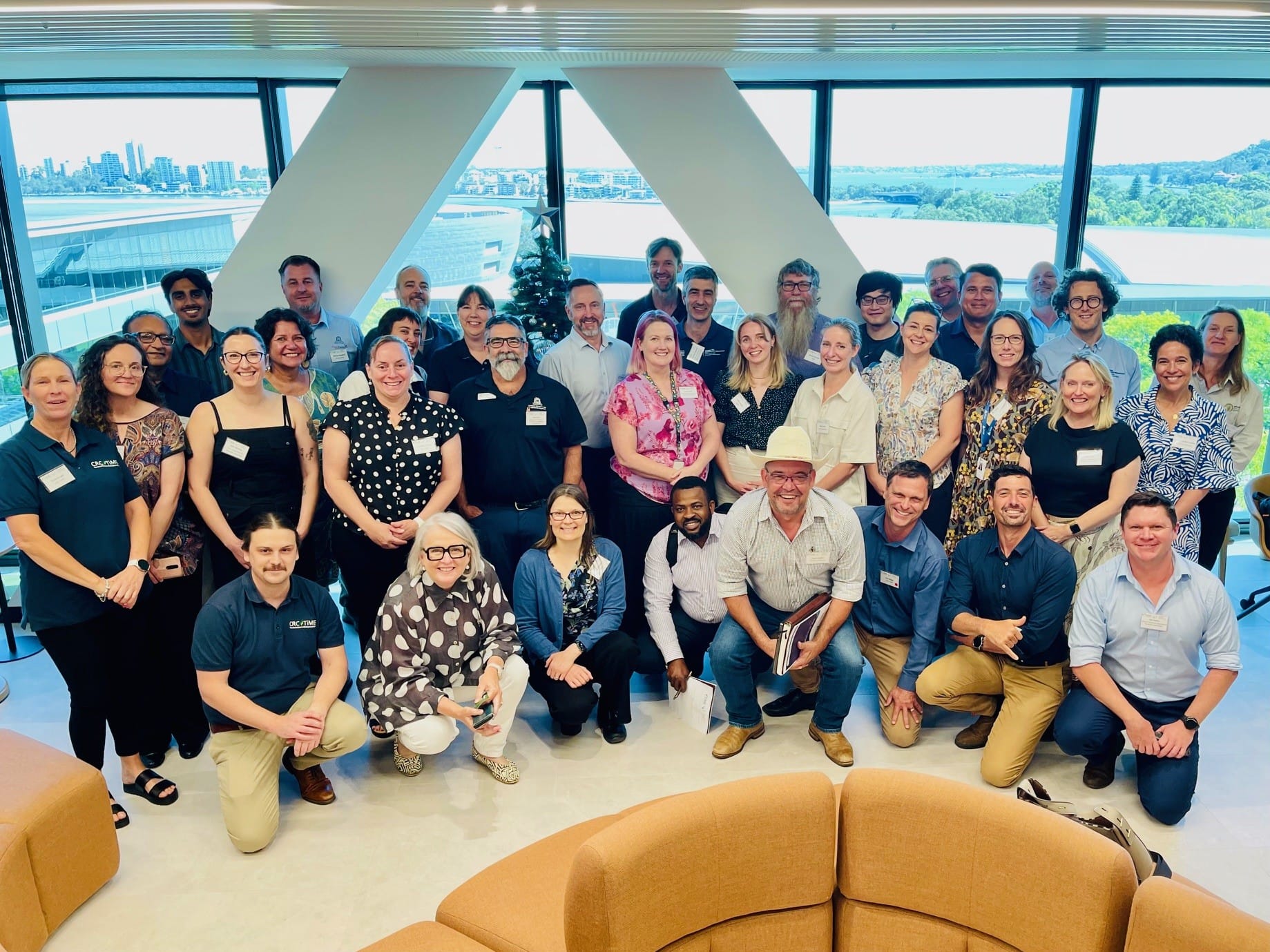
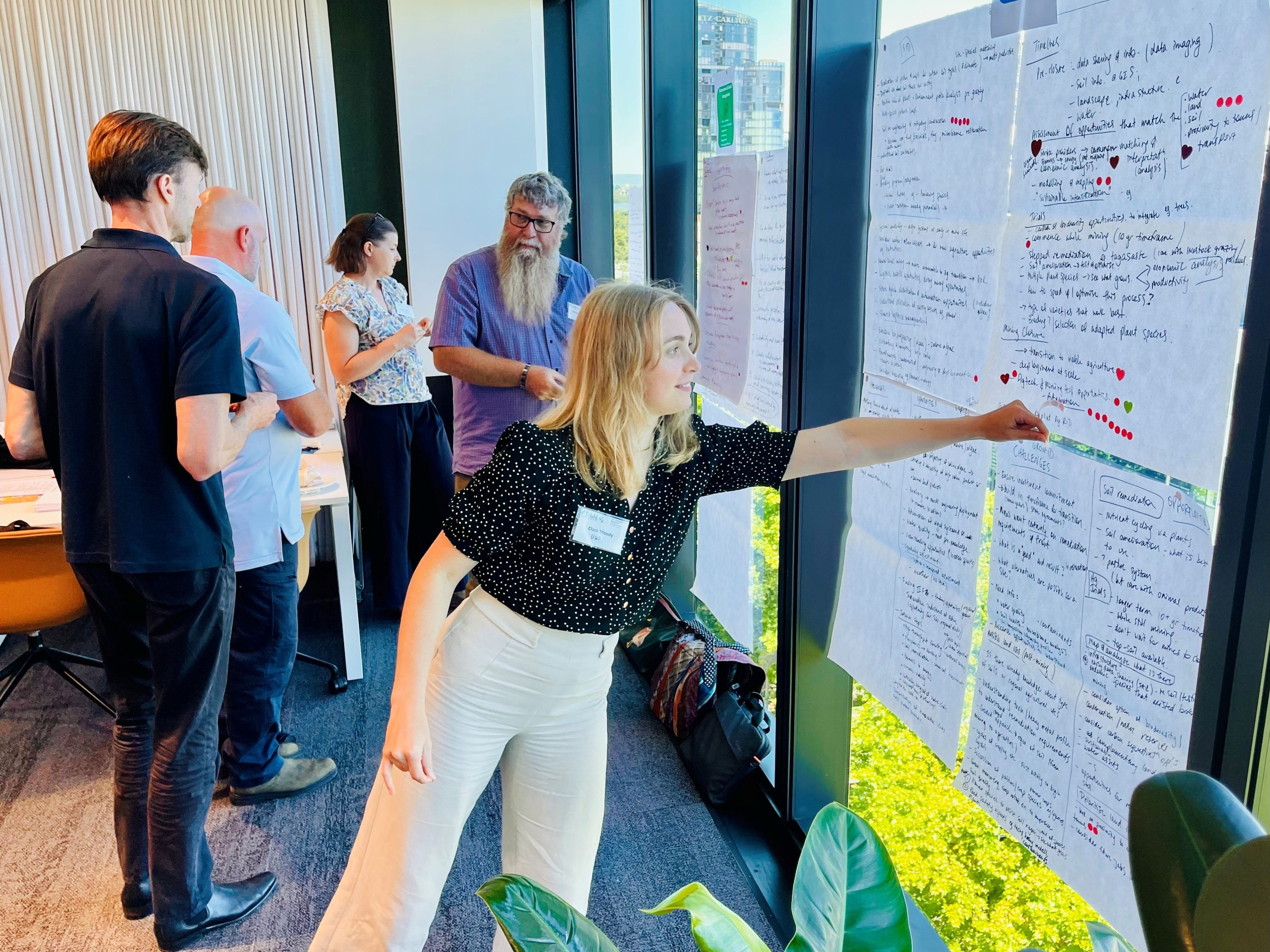
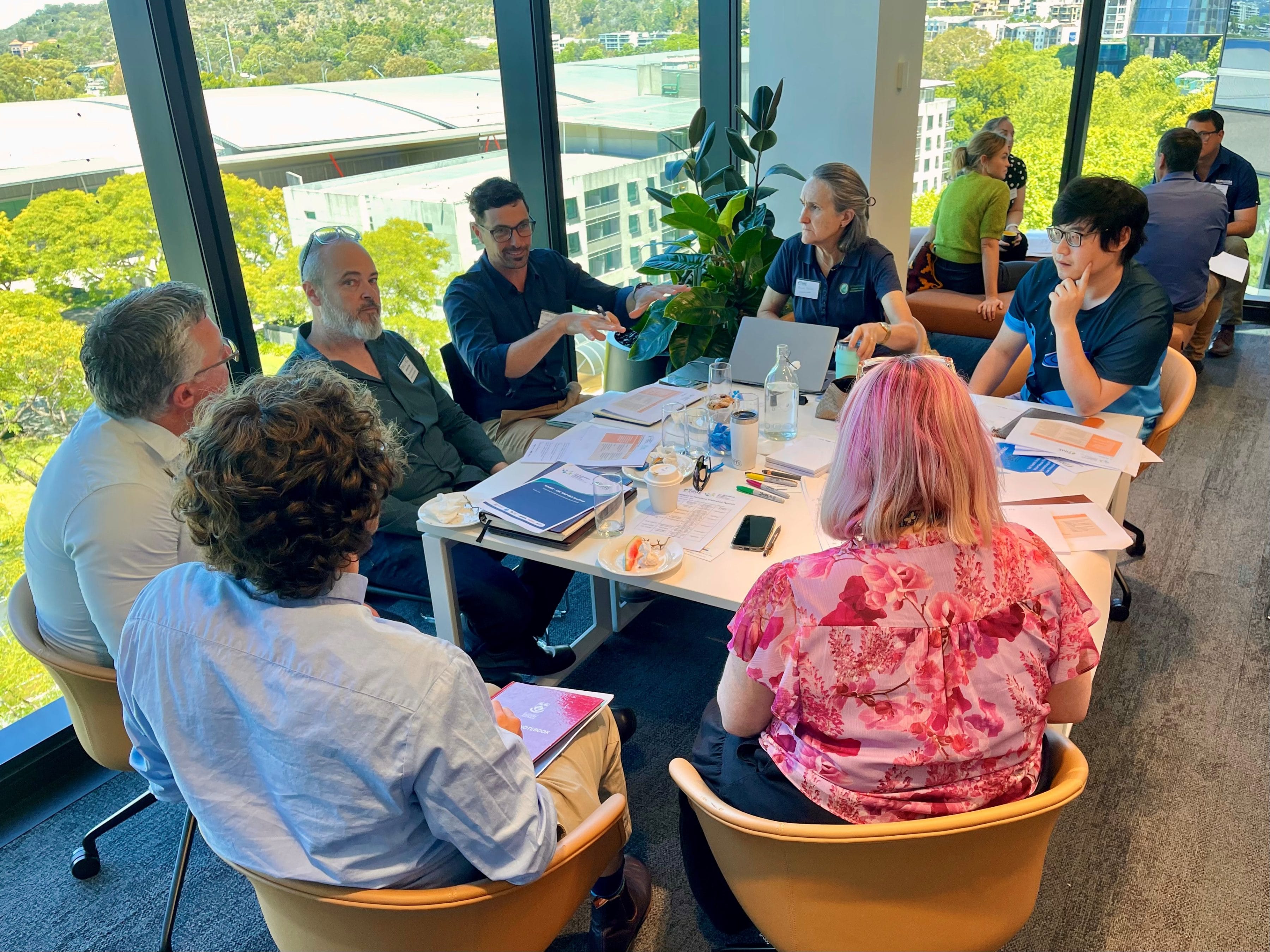
More than 60 cross-sector leaders and experts came together in December 2025 with a shared vision: to unlock opportunities for sustainable farming and deliver community benefits after mine closure.
Exploring opportunities for sustainable farming and community benefits after mine closure
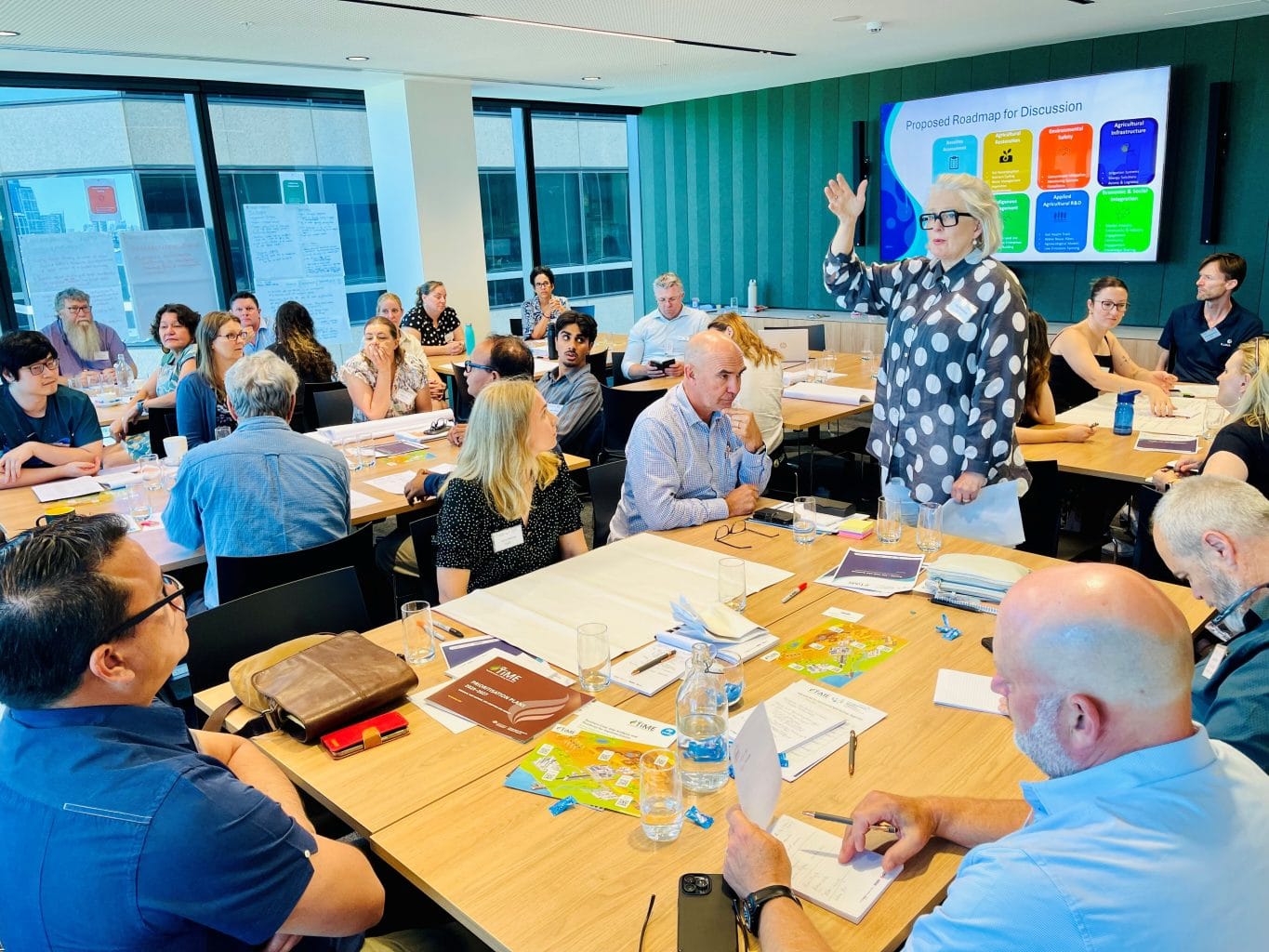
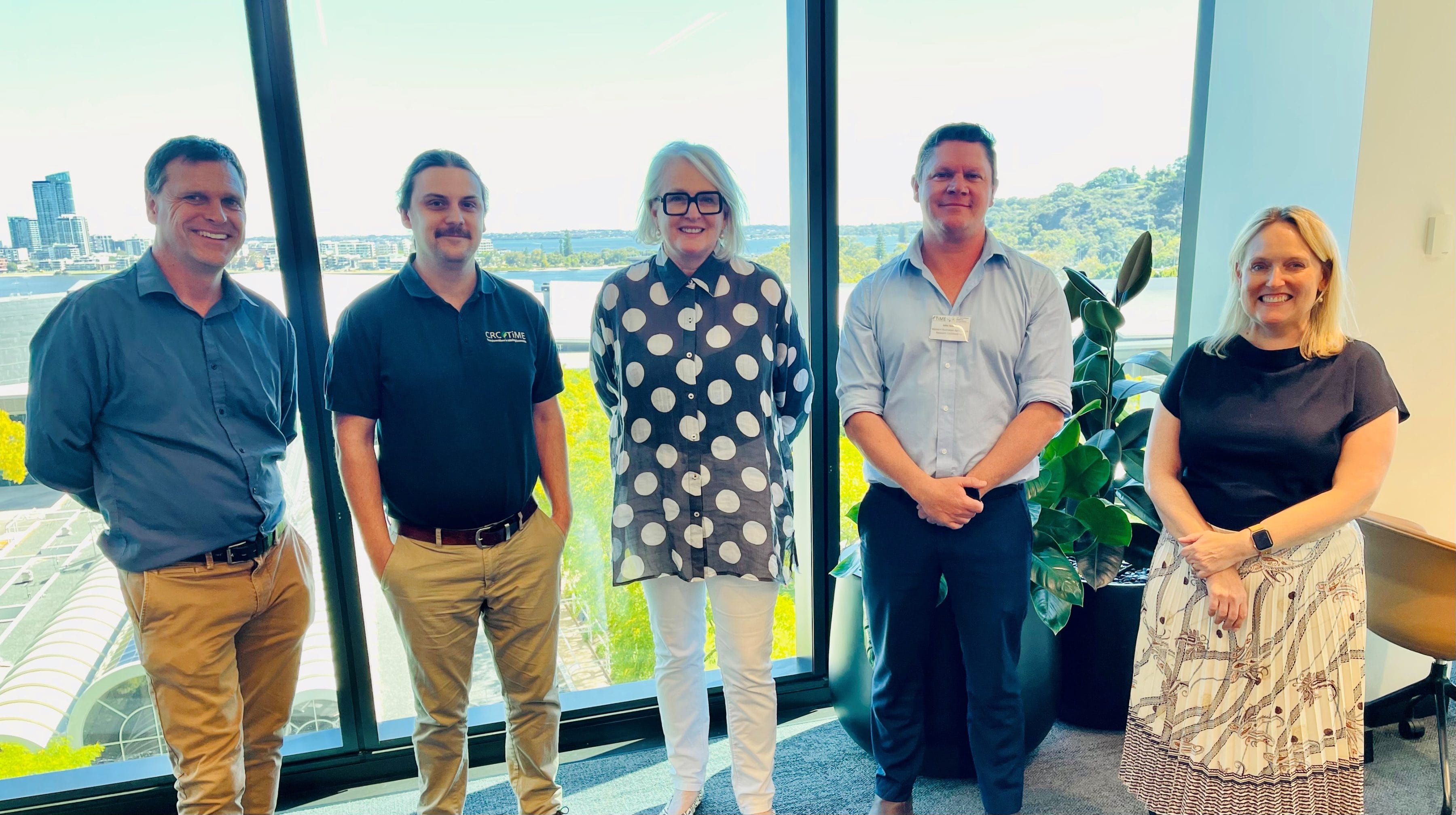
Cross-sector conversations began in December 2025 when WAARC and the Cooperative Research Centre for Transformations in Mining Economies (CRC TiME) came together to co-host a Mineland to Farmland Workshop, facilitated and documented by regional strategy specialists agdots.
Participants represented a diverse mix of industries and perspectives including the mining, agriculture, environment, government, research, education, First Nations, regional development and technology sectors.
The workshop focused on shaping Western Australia’s mine-to-agriculture transition with discussions exploring the opportunities, priorities and systemic changes needed to make these changes a reality.
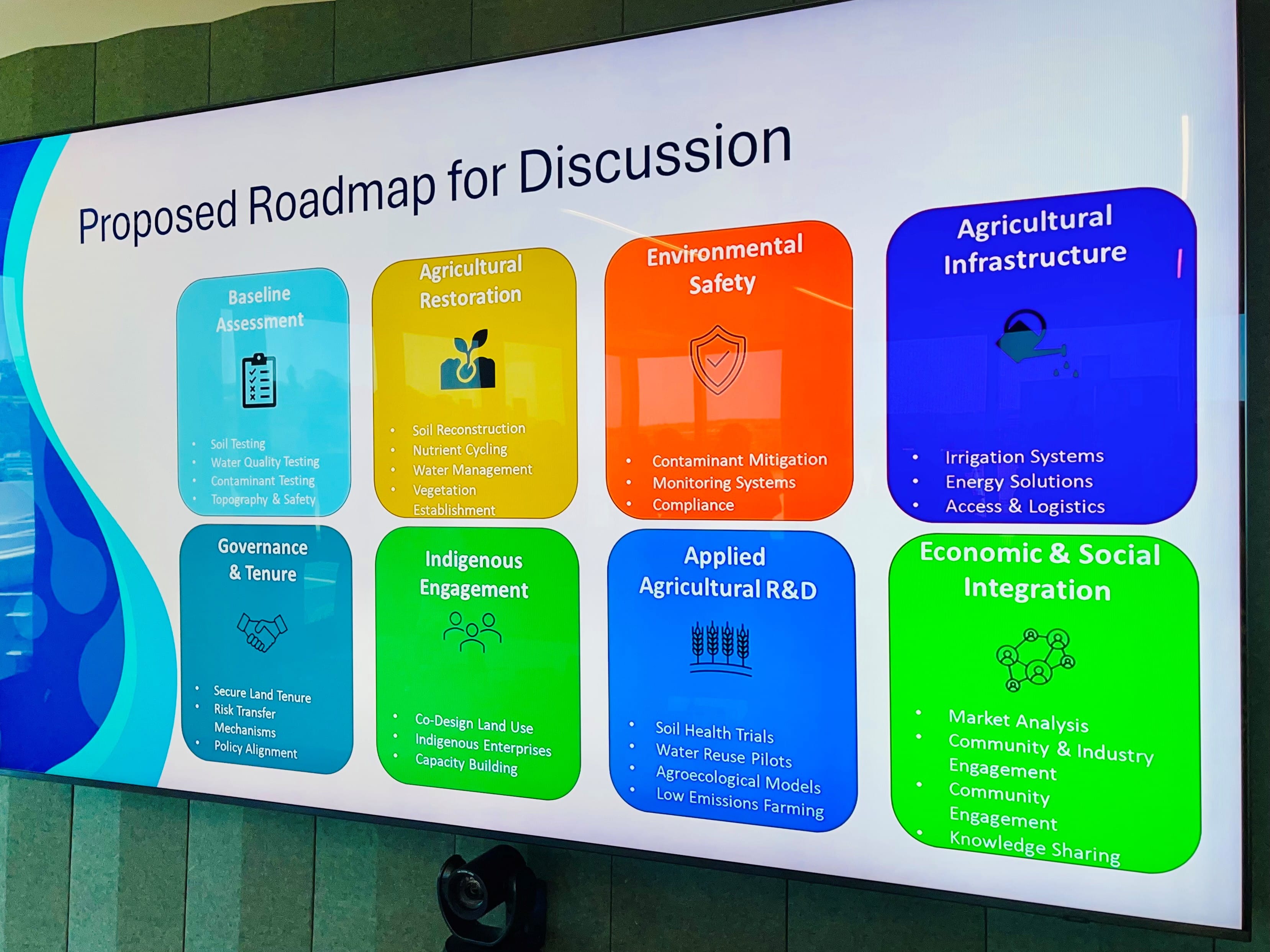
Participants worked through a structured roadmap combining CRC TiME’s mine transition expertise with WAARC’s applied agricultural R&D lens.
What emerged was strong recognition that transforming post-mine landscapes into viable agricultural systems is a systems challenge requiring coordinated planning, long-term research, policy alignment and genuine collaboration across sectors.
Priorities identified by workshop participants
Collectively, the group identified key priorities that must be addressed to enable successful transitions – from integrated regional planning and Indigenous co-design, through to soil engineering, environmental monitoring and new technology partnerships.
From a research perspective, the priority opportunities identified include:
Developing regional transition plans that align mining, agriculture and community outcomes
Engineering soils and water systems capable of supporting future farming enterprises
Mapping and modelling land capability to guide investment decisions
Establishing pilot demonstration sites to build community confidence and regulatory clarity
Creating long-term environmental monitoring systems to ensure safety and transparency
Leveraging synergies between mining technologies and agricultural innovation.
These priorities now underpin the Mineland to Farmland report, and provide a strong foundation for collaborative research, pilot projects and investment partnerships.
Next steps and Expressions of Interest
The workshop conversations generated in December 2025 are just the beginning. The next phase will focus on co-developing projects, identifying demonstration locations and building partnerships needed to turn ideas into action.
WAARC is now working closely with CRC TiME and investors to assess the value of research investment and identify two to three priority research areas for a focused Expression of Interest round.
The EOI round is anticipated to open before May 2026.
By working alongside CRC TiME, agdots and industry partners, WAARC is helping position agriculture as a credible and evidence-based component of post-mining futures.
Mineland to Farmland report
The Mineland to Farmland Workshop outcomes, priorities and pathway for future action have been captured and summarised in a roadmap document. Click here to read the full report: Mineland to Farmland report.